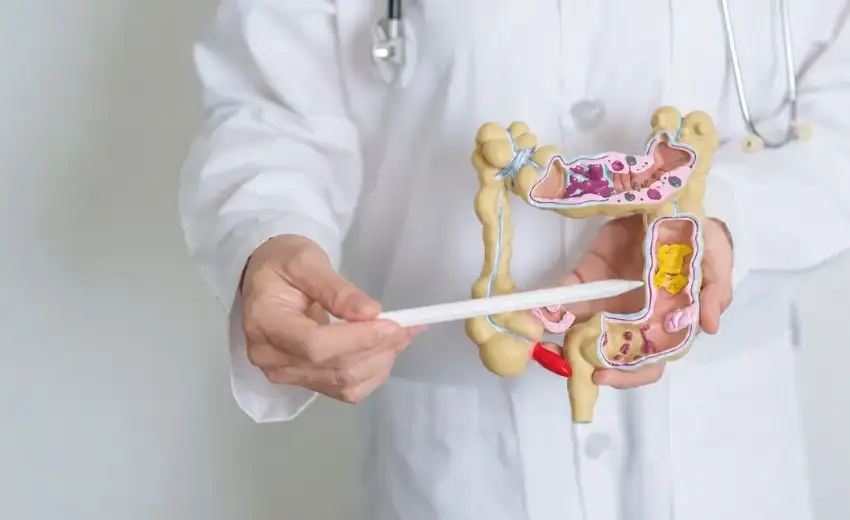
Esophageal Carcinoma Surgery with Ivor Lewis Esophagectomy
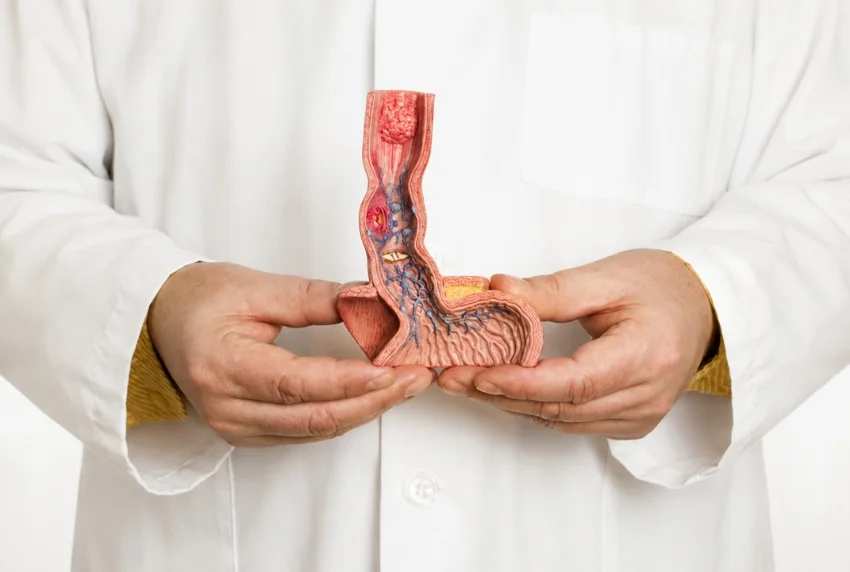
Understanding Esophageal Carcinoma Surgery
Introduction
Esophageal carcinoma surgery is an important treatment option for patients with advanced esophageal cancer and SCC of the esophagus.
Esophageal cancer is an aggressive malignancy arising from the food pipe (esophagus). Squamous Cell Carcinoma (SCC) remains one of the common histological types seen in India. Early diagnosis and multidisciplinary treatment are essential to improve survival and quality of life.
At Naman Cancer Clinic & Research Centre, we recently managed a complex case of lower esophageal Squamous Cell Carcinoma using Ivor Lewis Esophagectomy with gastric pull-up and two-field lymph node dissection.
This case highlights the importance of coordinated multidisciplinary care in managing advanced gastrointestinal cancers.
Case Summary
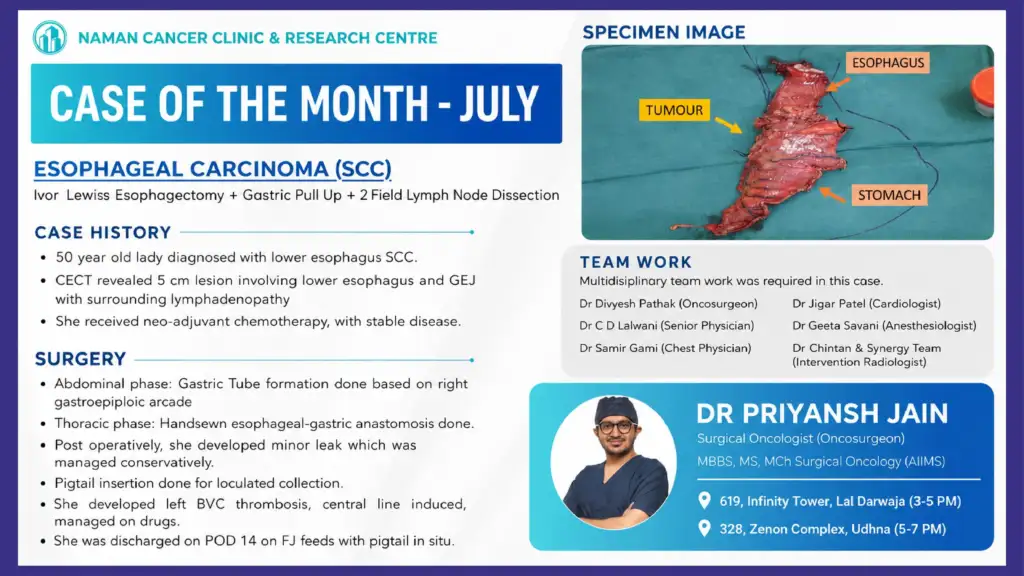
A 50-year-old female was diagnosed with Squamous Cell Carcinoma (SCC) involving the lower esophagus.
Contrast Enhanced CT (CECT) scan revealed:
- Approximately 5 cm lesion involving the lower esophagus and Gastroesophageal Junction (GEJ)
- Surrounding lymphadenopathy suggestive of nodal disease
Considering the locally advanced nature of the tumour, the patient underwent neoadjuvant chemotherapy before surgery. Post-chemotherapy evaluation showed stable disease, and she was planned for definitive surgical management.
Understanding Esophageal Cancer
The esophagus is the muscular tube connecting the throat to the stomach. Cancer of the esophagus commonly presents with:
- Difficulty swallowing (dysphagia)
- Weight loss
- Chest discomfort
- Regurgitation
- Loss of appetite
Squamous Cell Carcinoma commonly affects the upper and middle esophagus but can also involve the lower esophagus, as seen in this patient.
Risk factors include:
- Tobacco use
- Alcohol consumption
- Nutritional deficiencies
- Chronic irritation of the esophagus
Surgical Procedure Performed
The patient underwent:
- Ivor Lewis Esophagectomy
- Gastric Pull-Up Reconstruction
- Two-Field Lymph Node Dissection
Abdominal Phase
During the abdominal phase of surgery:
- Gastric tube formation was performed
- The stomach conduit was created based on the right gastroepiploic arcade to preserve adequate blood supply
Thoracic Phase
During the chest phase:
- The diseased esophagus was removed
- Hand-sewn esophagogastric anastomosis was performed
This approach allows restoration of gastrointestinal continuity by bringing the stomach into the chest and connecting it to the remaining esophagus.
What is Ivor Lewis Esophagectomy?
Ivor Lewis Esophagectomy is a standard surgical procedure used for cancers involving the lower esophagus and gastroesophageal junction.
The surgery involves:
- Abdominal phase for stomach mobilization
- Thoracic phase for esophageal resection and reconstruction
The procedure provides:
- Adequate tumour clearance
- Better lymph node dissection
- Improved oncological outcomes in selected patients
Postoperative Challenges and Management
Esophageal surgery is a major procedure and requires close postoperative monitoring. In this patient, several postoperative challenges were encountered.
1. Minor Anastomotic Leak
The patient developed a small postoperative leak at the anastomosis site. Fortunately, it was managed conservatively without the need for reoperation.
2. Loculated Collection
A pigtail catheter was inserted for drainage of the loculated collection, helping control infection and promote healing.
3. Left Brachiocephalic Vein (BVC) Thrombosis
The patient also developed central line-induced thrombosis involving the left brachiocephalic vein, which was successfully managed medically.
Despite these complications, the patient recovered gradually and was discharged in stable condition on Postoperative Day 14 while tolerating feeding jejunostomy (FJ) feeds.
Importance of Multidisciplinary Care
Management of esophageal cancer requires collaboration between multiple specialties.
This case involved coordinated teamwork between:
- Surgical Oncology
- Chest Medicine
- Cardiology
- Anesthesiology
- Interventional Radiology
- Critical Care Team
Such multidisciplinary management is often essential for achieving successful outcomes in complex cancer surgeries.
Key Learning Points
- Esophageal cancer requires early diagnosis and aggressive multidisciplinary management.
- Neoadjuvant chemotherapy helps improve surgical outcomes in locally advanced disease.
- Ivor Lewis Esophagectomy remains an important surgical option for lower esophageal cancers.
- Postoperative complications such as leaks and thrombosis can often be managed successfully with timely intervention.
- Team-based cancer care significantly improves patient outcomes.
Conclusion
Esophageal cancer surgery is among the most technically demanding gastrointestinal procedures. Careful patient selection, meticulous surgical technique, and comprehensive postoperative care are essential for successful outcomes.
This case demonstrates how multidisciplinary coordination and advanced oncological surgery can help manage complex esophageal cancers effectively, even in the presence of postoperative challenges.
At Naman Cancer Clinic & Research Centre, we remain committed to delivering comprehensive cancer care with a patient-centered and evidence-based approach.
Also read,
Dr Priyansh Jain
Surgical Oncologist (Oncosurgeon)
Naman Cancer Clinic & Research Centre, Surat
Also read: Advanced Oncoplastic Breast Surgery with LICAP & LTAP Flaps
Also read: Breast Conservation Surgery with MICAP Flap Reconstruction for Breast Cancer