


HIPEC Treatment in Surat
Advanced Heated Chemotherapy for Abdominal Cancer Treatment and Better Recovery
HIPEC Treatment in Surat is an advanced cancer treatment that combines surgery with heated chemotherapy to target abdominal cancers, improve outcomes, and reduce recurrence risks.
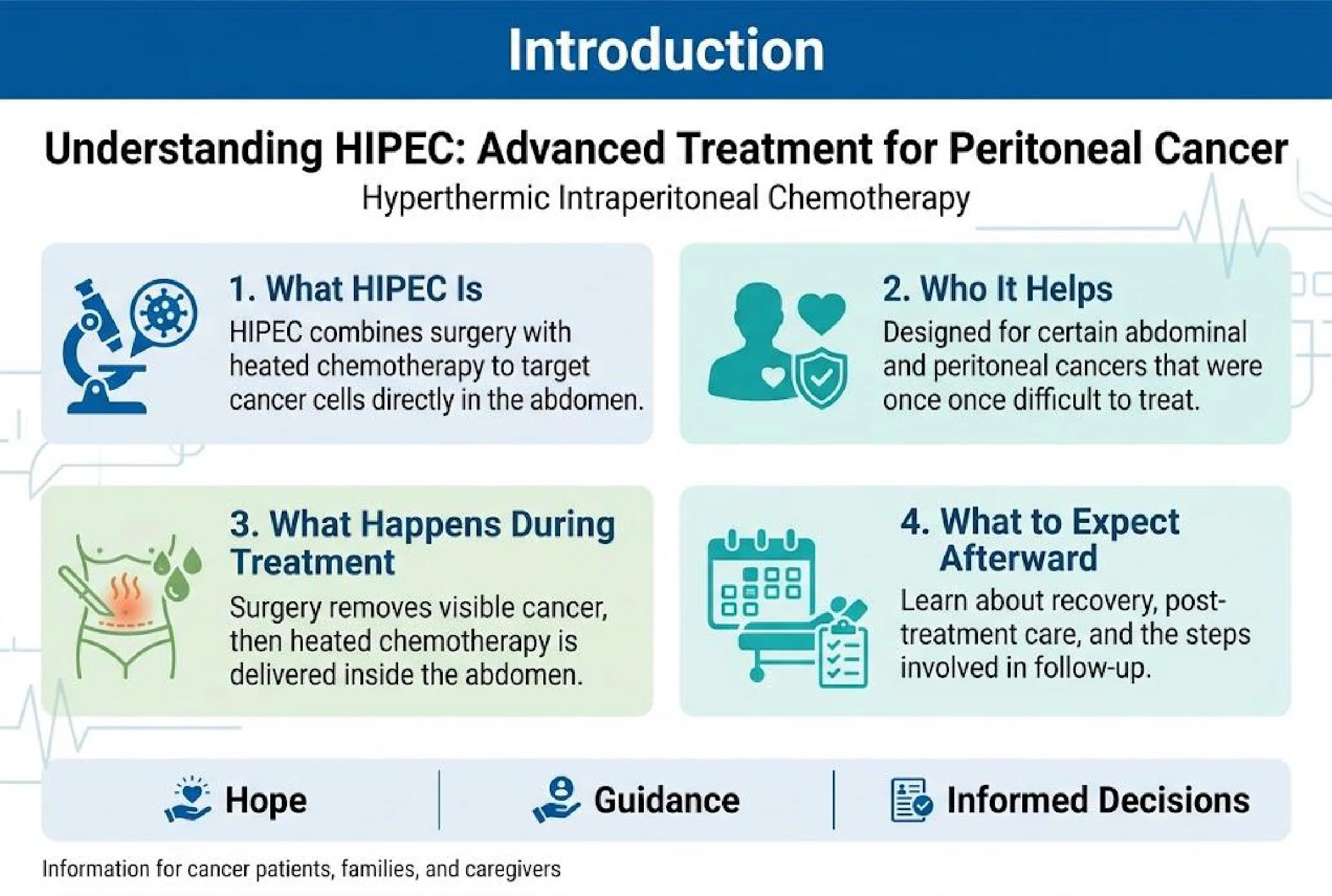
HIPEC treatment, also known as Hyperthermic Intraperitoneal Chemotherapy, is an advanced cancer treatment used for certain abdominal and peritoneal cancers. This specialized procedure combines cytoreductive surgery with heated chemotherapy to target cancer cells directly inside the abdomen. HIPEC has become an important option for patients with cancers that have spread within the abdominal cavity and offers new hope for improved survival and quality of life.
At the clinic of Dr. Priyansh Jain, patients receive comprehensive cancer care with advanced treatment approaches, including evaluation for HIPEC therapy and personalized recovery planning.

What is HIPEC Treatment?
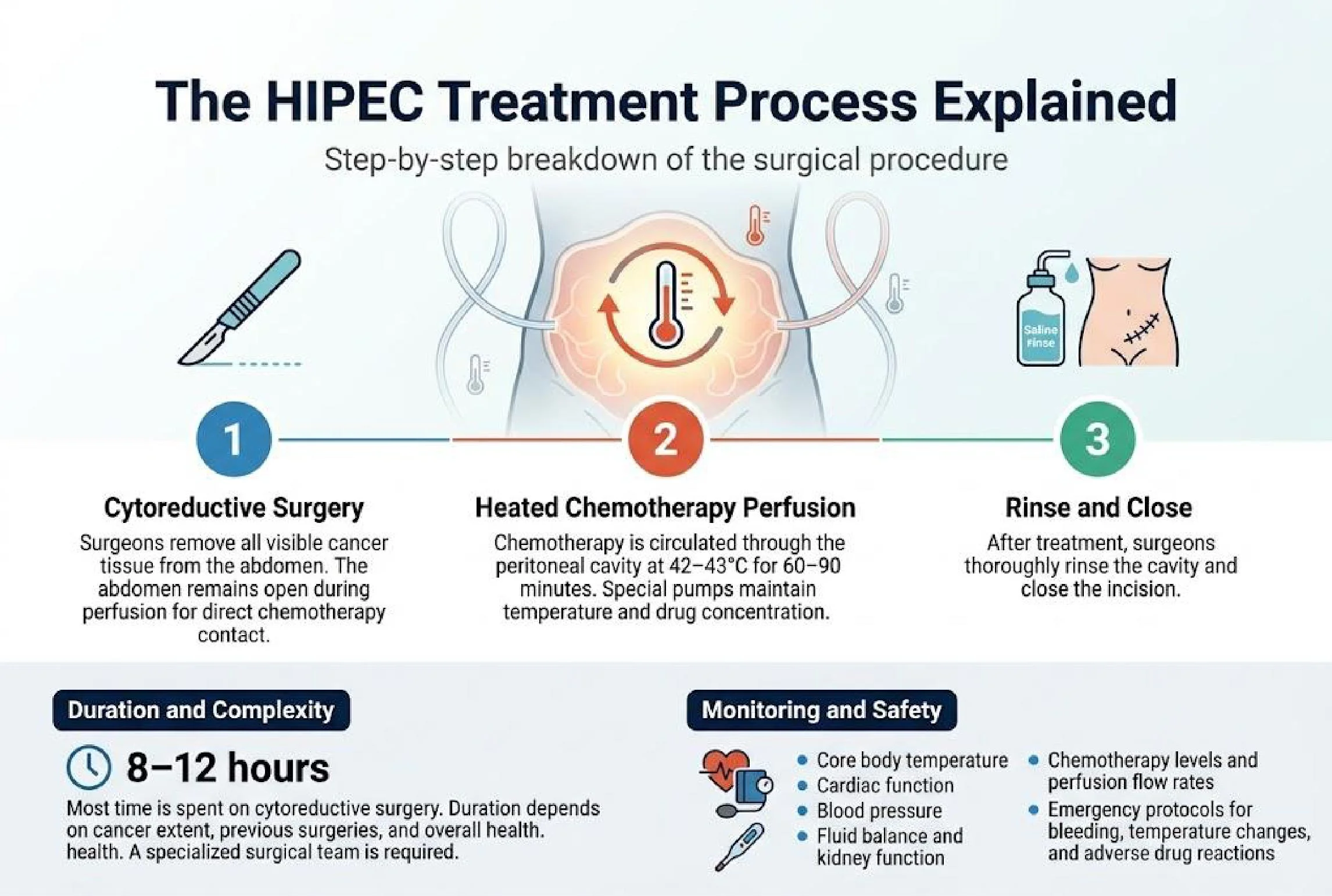
HIPEC stands for Hyperthermic Intraperitoneal Chemotherapy. During this procedure, surgeons first remove visible tumours from the abdominal cavity through cytoreductive surgery. After tumour removal, heated chemotherapy medicines are circulated directly inside the abdomen to destroy remaining microscopic cancer cells.
The chemotherapy solution is heated because heat helps improve the effectiveness of cancer-killing medicines and increases their ability to penetrate cancer tissues. Unlike traditional chemotherapy, HIPEC delivers treatment directly to the affected area while reducing exposure to the rest of the body.
Benefits of HIPEC Therapy
HIPEC treatment offers several advantages for selected patients:
- Targets cancer cells directly in the abdominal cavity
- Allows higher concentration of chemotherapy in affected areas
- Reduces damage to healthy organs
- Helps treat microscopic cancer cells not visible during surgery
- May improve survival rates in advanced abdominal cancers
- Provides better local cancer control compared to standard chemotherapy alone
For many patients, HIPEC therapy can significantly improve long-term outcomes when performed at the right stage of disease.
Key differences between HIPEC and traditional chemotherapy
Aspect | HIPEC Treatment | Traditional Chemotherapy |
Delivery Method | Direct intraperitoneal administration | Intravenous systemic delivery |
Temperature | Heated to 104-108°F | Room temperature |
Drug Concentration | High localized doses | Lower systemic concentrations |
Side Effects | Reduced systemic toxicity | Widespread bodily effects |
Treatment Duration | Single 90-minute session | Multiple cycles over months |
Surgical Component | Combined with cytoreductive surgery | Standalone medical treatment |
Cancers Commonly Treated with HIPEC
HIPEC is commonly used for cancers involving the peritoneum or abdominal lining, including:
- Ovarian cancer with abdominal spread
- Colorectal cancer with peritoneal metastasis
- Appendix cancer
- Peritoneal mesothelioma
- Gastric cancer with peritoneal involvement
- Pseudomyxoma peritonei
- Primary peritoneal cancer
The treatment is most effective when cancer remains confined mainly to the abdominal cavity.
Who is a Suitable Candidate for HIPEC?
Not every patient is suitable for HIPEC surgery. Doctors carefully evaluate several factors before recommending this treatment, such as:
- Type and stage of cancer
- Extent of tumour spread
- Overall health condition
- Heart, lung, liver, and kidney function
- Previous cancer treatments
- Ability to tolerate major surgery
Early referral and proper assessment can improve treatment success and recovery outcomes.
Preparing for HIPEC Surgery
Before undergoing HIPEC treatment, patients usually require detailed medical evaluation and imaging tests. Preparation may include:
- Blood investigations
- CT scan or PET scan
- Cardiac and lung function assessment
- Nutritional evaluation
- Pre-surgery counselling
Patients are encouraged to maintain proper nutrition, stay physically active within limits, and discuss all concerns with their healthcare team before surgery.
How the HIPEC Procedure Works
HIPEC treatment is performed in two major steps:
- Cytoreductive Surgery: The surgeon removes all visible tumours from the abdominal cavity and affected tissues.
- Heated Chemotherapy Circulation: After surgery, heated chemotherapy drugs are circulated inside the abdomen for approximately 60–90 minutes. The heat helps increase the effectiveness of chemotherapy against remaining cancer cells.
The complete procedure may take several hours and requires a specialized surgical and oncology team.
Recovery After HIPEC Treatment
Recovery after HIPEC surgery takes time and careful monitoring. Most patients remain in the hospital for several days depending on their condition and healing progress.
Common recovery recommendations include:
- Gradual return to normal diet
- Pain management and wound care
- Light physical activity and walking
- Adequate hydration and nutrition
- Regular follow-up appointments
Fatigue and weakness are common during the initial recovery period, but many patients gradually regain strength with proper rehabilitation and support.
Long-Term Follow-Up and Care
After HIPEC therapy, regular monitoring is important to check recovery and detect any signs of recurrence. Follow-up care may involve:
- Physical examinations
- Blood tests and tumour markers
- CT scans or imaging studies
- Nutritional and rehabilitation support
At the clinic of Dr. Priyansh Jain, patients receive ongoing guidance and personalized follow-up care to support long-term recovery and quality of life.
Importance of Expert Cancer Care
HIPEC is a highly specialized procedure that should be performed by experienced cancer specialists and trained surgical teams. Early consultation and proper treatment planning can improve outcomes and provide better control over advanced abdominal cancers.
If you or your loved one has been diagnosed with peritoneal or abdominal cancer, seeking expert evaluation can help determine whether HIPEC treatment may be the right option for your condition.