
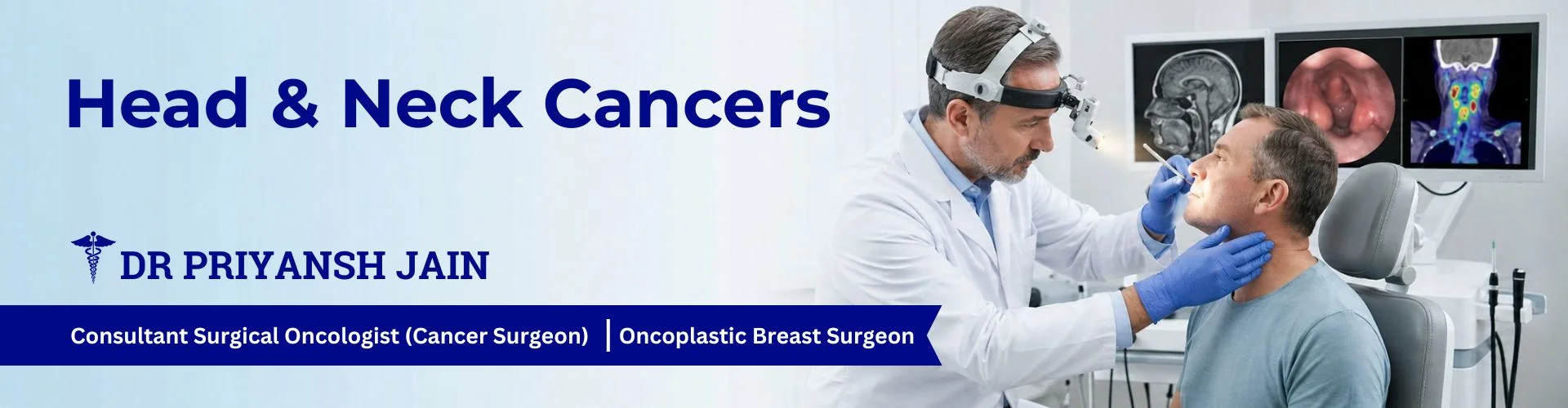

Head and Neck Cancer: Symptoms, Causes, Diagnosis & Advanced Treatment
Understand Head and Neck Cancer symptoms, risk factors, diagnosis, prevention, and modern treatment options for better outcomes and improved quality of life.
Head and Neck Cancer can affect the mouth, throat, voice box, nose, and salivary glands. Early detection, timely diagnosis, and expert treatment significantly improve recovery and long-term survival.
Head and neck cancers can affect different areas such as the mouth, throat, voice box (larynx), thyroid gland, and salivary glands including the parotid gland. Common symptoms may include a lump in the neck, persistent throat pain, difficulty swallowing, mouth ulcers, or changes in the voice. Early diagnosis plays an important role in successful treatment and recovery. Depending on the type and stage of cancer, treatment may involve surgery, radiation therapy, chemotherapy, or targeted therapy. Below is an overview of thyroid cancer, parotid tumours, and larynx cancer.

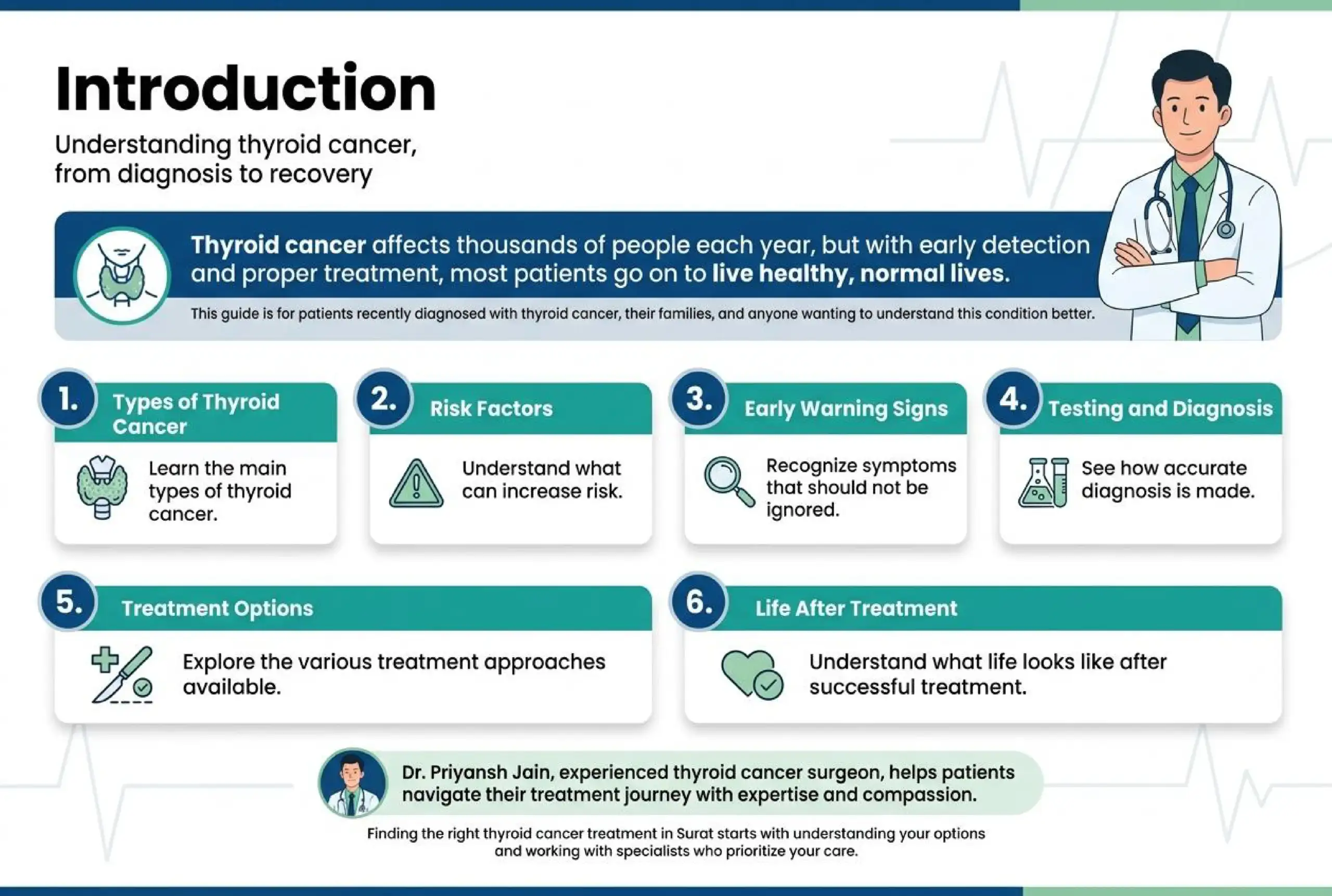
Thyroid Cancer
Thyroid cancer develops in the thyroid gland, a small gland located in the neck that controls metabolism and hormone production. With early detection and proper medical care, most patients achieve excellent recovery and long-term health.
There are four major types of thyroid cancer — papillary, follicular, medullary, and anaplastic thyroid cancer. Papillary thyroid cancer is the most common and usually grows slowly, while anaplastic thyroid cancer is rare but more aggressive. Certain factors such as radiation exposure, family history, thyroid disorders, and iodine imbalance may increase the risk of developing thyroid cancer.
Common Symptoms of Thyroid Cancer
- Lump or swelling in the neck
- Persistent hoarseness or voice changes
- Difficulty swallowing
- Throat discomfort or pain
- Breathing difficulty in advanced cases
Doctors diagnose thyroid cancer through physical examination, ultrasound scans, blood tests, and biopsy procedures. Imaging tests help determine whether the cancer has spread and guide treatment planning.
Thyroid Cancer Treatment Options
Treatment depends on the cancer type and stage. Common approaches include:
- Thyroid surgery (partial or complete thyroid removal)
- Radioactive iodine therapy
- Thyroid hormone replacement therapy
- Radiation therapy or targeted treatment for advanced cases
Most patients recover well after treatment and continue to live healthy, active lives with regular follow-up care and monitoring.
Types of Thyroid Cancer
Cancer Type | Frequency | Growth Rate | Prognosis |
Papillary | 80% | Slow | Excellent |
Follicular | 10-15% | Moderate | Good |
Medullary | 3-5% | Variable | Good if caught early |
Anaplastic | <2% | Rapid | Poor |
Parotid Tumour
Parotid tumours occur in the parotid glands, the largest salivary glands located near the ears. While the word “tumour” can sound alarming, the majority of parotid tumours are non-cancerous and highly treatable when identified early.
These tumours may develop due to age-related changes, previous radiation exposure, genetic factors, or certain infections. As the tumour grows, it can affect saliva production and nearby facial nerves.
Symptoms of Parotid Tumours
- Swelling or lump near the jaw or ear
- Facial asymmetry or puffiness
- Pain around the jaw or ear region
- Difficulty chewing or swallowing
- Facial weakness or numbness in some cases
Doctors evaluate parotid tumours through physical examination, ultrasound, CT scan, MRI, and biopsy tests to determine whether the tumour is benign or malignant.
Treatment for Parotid Tumours
Surgery is the primary treatment for most parotid tumours. Depending on the tumour type and location, treatment may also include:
- Partial or total parotid gland surgery
- Facial nerve preservation or reconstruction
- Radiation therapy for cancerous tumours
- Chemotherapy in advanced or aggressive cancers
After treatment, rehabilitation exercises and regular follow-up appointments help improve recovery and reduce the risk of recurrence.
Larynx Cancer
Larynx cancer affects the voice box and can interfere with speaking, breathing, and swallowing. Smoking and alcohol consumption are among the leading risk factors, although environmental exposure and chronic throat irritation may also contribute to the disease.
Recognizing symptoms early is important because timely treatment greatly improves outcomes.
Common Signs of Larynx Cancer
Persistent hoarseness or voice change
Ear pain
Difficulty swallowing
Lump in the neck
Lump in the neck
Unexplained weight loss
Diagnosis usually involves laryngoscopy, imaging scans such as CT or MRI, and biopsy testing to confirm the presence and stage of cancer.
Larynx Cancer Treatment Options
Treatment plans are personalized according to the stage and severity of cancer. Common treatments include:
- Minimally invasive or advanced laryngeal surgery
- Radiation therapy
- Chemotherapy
- Voice preservation techniques and rehabilitation
Speech therapy and supportive care are also important parts of recovery, helping patients regain communication ability and improve quality of life after treatment.
Importance of Early Detection
Early diagnosis of head and neck cancers significantly improves treatment success and recovery. Persistent symptoms such as neck swelling, voice changes, throat pain, or difficulty swallowing should never be ignored. Regular medical evaluation and timely treatment can help patients achieve better outcomes and maintain a healthier quality of life.
See how our care works
Book your own demo session
Discover our hospital’s patient-first care with a guided demo that shows our advanced tools in action.