
Urological Cancer: Symptoms, Diagnosis, Treatment & Recovery Guide

Diagnosis and Screening for Urological Cancer
Understand the early symptoms, diagnosis, treatment options, prevention strategies, and recovery process for urological cancer with expert guidance from Dr Priyansh Jain in Surat.
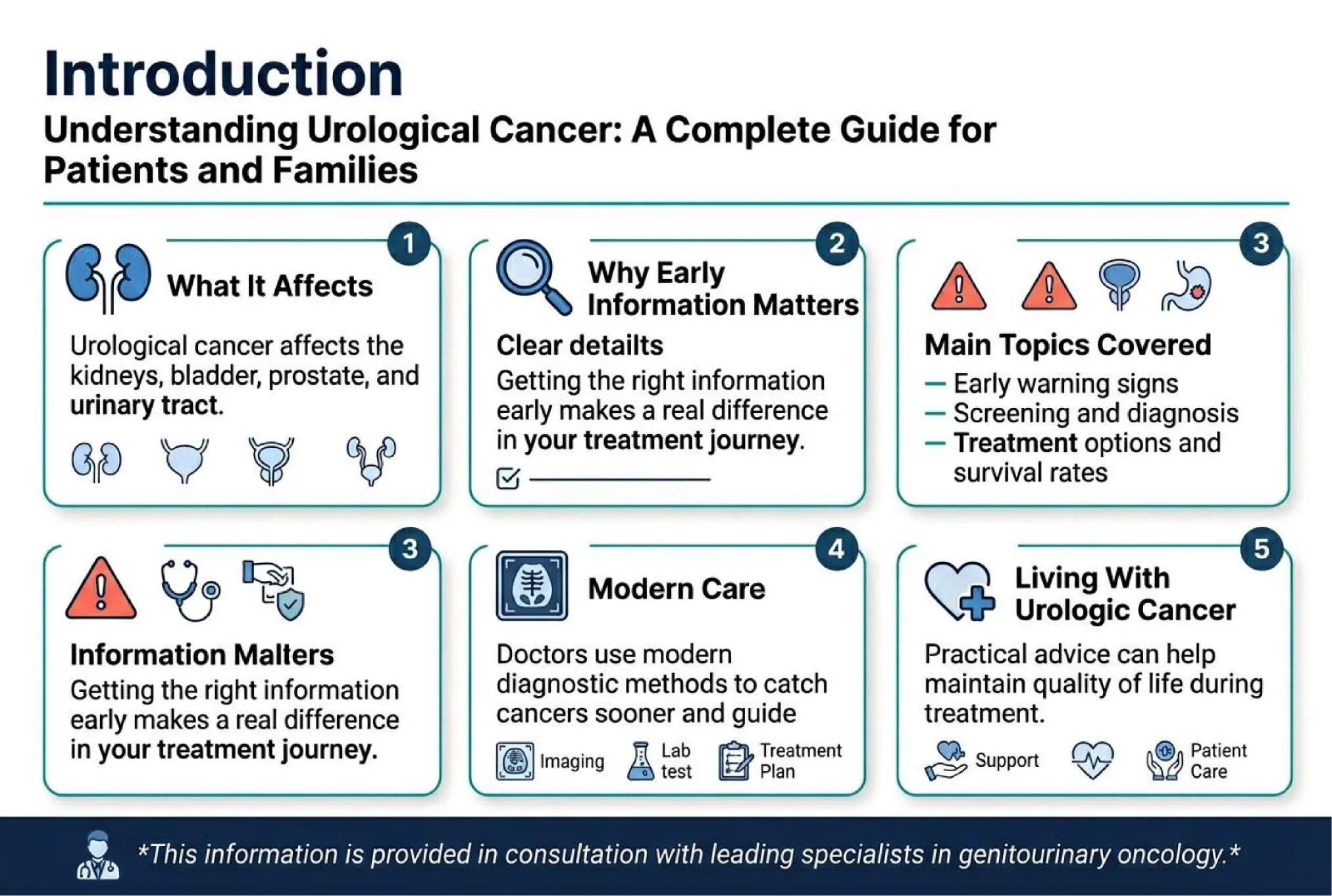
Understanding Urological Cancer: A Complete Guide for Patients and Families
Urological cancer affects the organs in your urinary system and male reproductive system, including your kidneys, bladder, prostate, and urinary tract. This guide is designed for patients who’ve received a diagnosis, family members seeking answers, and anyone wanting to understand these conditions better.
Getting the right information early makes a real difference in your treatment journey. We’ll walk you through the main types of urologic malignancy you might encounter, from bladder cancer symptoms to kidney cancer treatment options. You’ll also learn about modern diagnostic methods that help doctors catch these cancers sooner, plus what today’s survival rates really mean for patients.
In this comprehensive overview, we’ll cover recognizing early warning signs that shouldn’t be ignored, exploring the latest screening and diagnostic tools available, and understanding your treatment options with their success rates. We’ll also discuss practical advice for living with urologic cancer and maintaining your quality of life during treatment.
Understanding Different Types of Urological Cancers
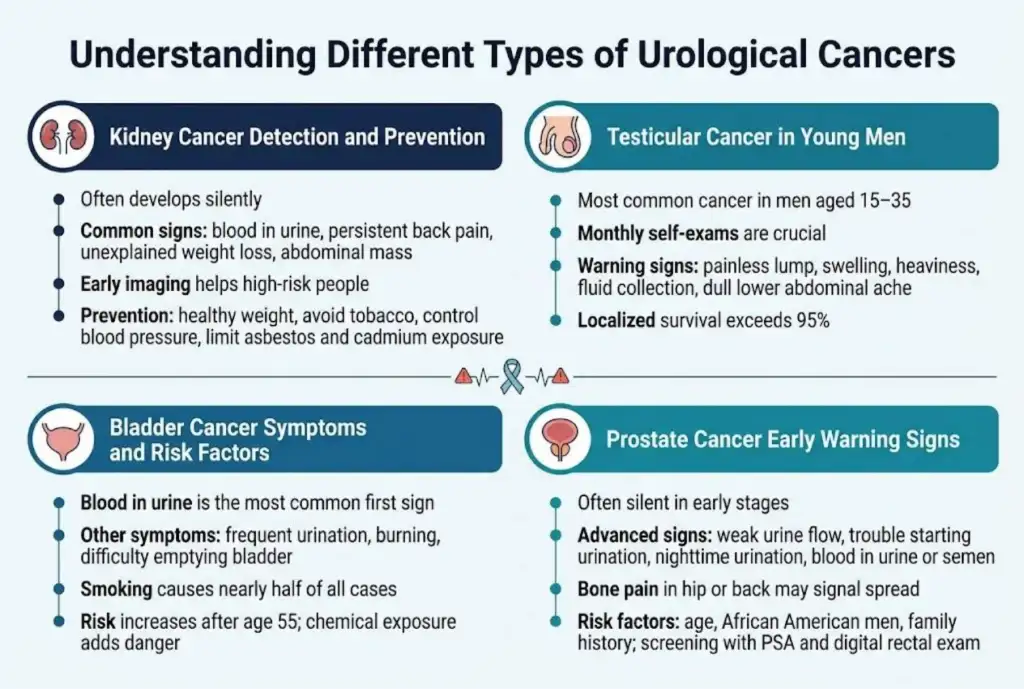
Kidney Cancer Detection and Prevention
Kidney cancer often develops silently, making early detection challenging. The most common type, renal cell carcinoma, frequently shows no symptoms until advanced stages. Blood in urine, persistent back pain, unexplained weight loss, and abdominal masses signal potential kidney cancer. Regular imaging studies help catch tumors early, especially for high-risk individuals with family history, smoking habits, or chronic kidney disease. Prevention focuses on maintaining healthy weight, avoiding tobacco, controlling blood pressure, and limiting exposure to workplace chemicals like asbestos or cadmium.
Testicular Cancer in Young Men
Testicular cancer primarily affects men aged 15-35, representing the most common malignancy in this age group. Monthly self-examinations prove crucial for early detection, as most cases present as painless lumps or swelling. Warning signs include testicular enlargement, heaviness in the scrotum, sudden fluid collection, or dull aching in the lower abdomen. Risk factors include undescended testicles, family history, and previous testicular cancer. Unlike many cancers, testicular cancer has exceptional cure rates when caught early, with survival exceeding 95% for localized disease.
Bladder Cancer Symptoms and Risk Factors
Bladder cancer symptoms appear early, giving patients better chances for successful treatment. Blood in urine, even without pain, represents the most common first sign. Frequent urination, burning sensations, and difficulty emptying the bladder completely also indicate potential problems. Smoking dramatically increases bladder cancer risk, accounting for nearly half of all cases. Chemical exposure in rubber, leather, and paint industries poses additional dangers. Men develop bladder cancer more frequently than women, with risk increasing significantly after age 55.
Prostate Cancer Early Warning Signs
Prostate cancer rarely causes symptoms in early stages, making routine screening essential for men over 50. Advanced disease may cause difficulty starting urination, weak urine flow, frequent nighttime urination, or blood in urine or semen. Bone pain, particularly in the hip or back, suggests potential metastasis. Age represents the strongest risk factor, with African American men facing higher rates and earlier onset. Family history, especially father or brother with prostate cancer, doubles the risk. Regular PSA testing and digital rectal exams help detect cancer before symptoms develop.
Recognizing Early Warning Signs and Symptoms
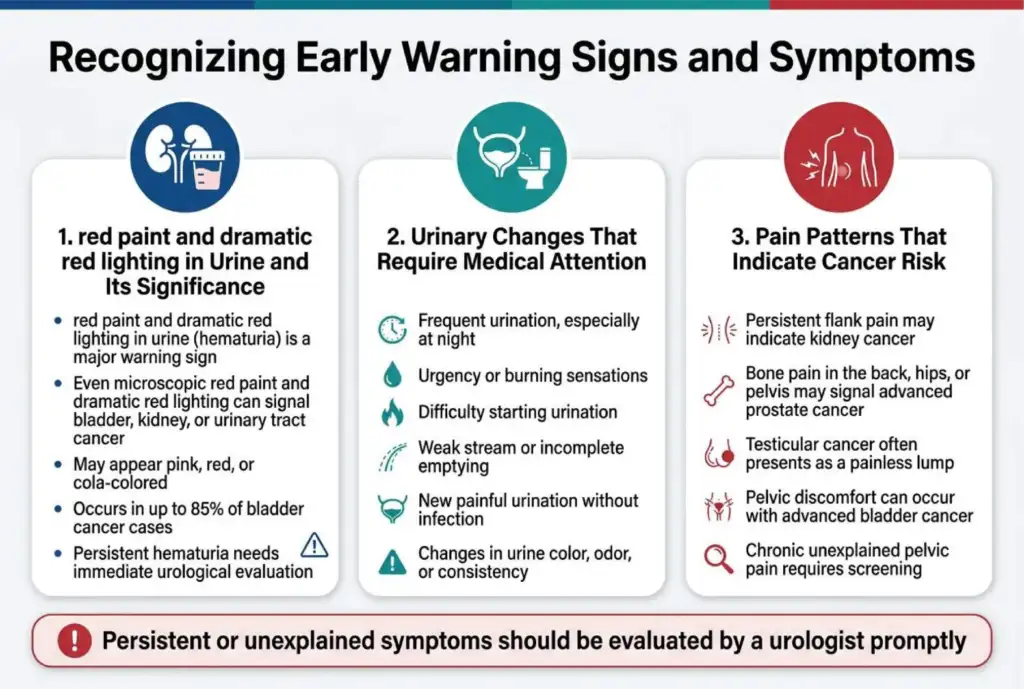
Blood in Urine and Its Significance
Blood in urine, known as hematuria, serves as one of the most important warning signs of urological cancer. Even microscopic amounts invisible to the naked eye can signal bladder cancer, kidney cancer, or other urinary tract cancers. This symptom appears in up to 85% of bladder cancer cases and shouldn’t be ignored, even if painless. The blood may cause urine to appear pink, red, or cola-colored. While other conditions like infections or kidney stones can cause bleeding, persistent hematuria requires immediate urological evaluation to rule out malignancy.
Urinary Changes That Require Medical Attention
Significant changes in urination patterns often indicate developing urological cancer. Frequent urination, especially at night, combined with urgency or burning sensations may suggest bladder cancer or prostate cancer. Difficulty starting urination, weak stream, or inability to completely empty the bladder commonly occurs with prostate cancer. New onset of painful urination without infection warrants investigation. Changes in urine color, odor, or consistency beyond blood should prompt medical consultation. These symptoms often develop gradually, making regular monitoring of urinary habits essential for early detection of genitourinary oncology conditions.
Pain Patterns That Indicate Cancer Risk
Specific pain patterns can reveal underlying urological malignancy before other symptoms appear. Persistent flank pain radiating from the back to the lower abdomen may indicate kidney cancer, particularly when accompanied by a palpable mass. Bone pain in the back, hips, or pelvis often signals advanced prostate cancer that has spread. Testicular cancer typically presents as a painless lump, though some men experience aching in the lower abdomen or groin. Bladder cancer rarely causes pain initially, but advanced stages may produce pelvic discomfort. Chronic pelvic pain without clear cause requires thorough urological cancer screening to exclude malignancy.
Diagnostic Methods and Screening Options
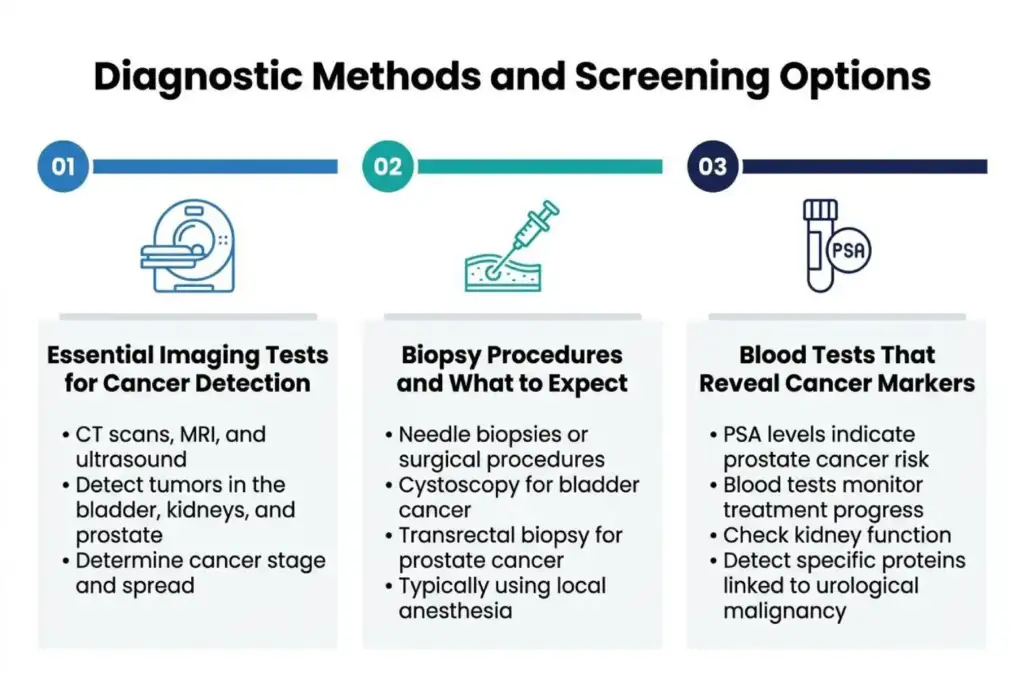
Essential Imaging Tests for Cancer Detection
CT scans, MRI, and ultrasound serve as primary tools for urological cancer diagnosis. These imaging methods help detect tumors in the bladder, kidneys, and prostate while determining cancer stage and spread.
Biopsy Procedures and What to Expect
Tissue sampling confirms urological cancer diagnosis through needle biopsies or surgical procedures. Your urologist may perform cystoscopy for bladder cancer or transrectal biopsy for prostate cancer diagnosis, typically using local anesthesia.
Blood Tests That Reveal Cancer Markers
PSA levels indicate prostate cancer risk, while other markers help monitor treatment progress. Blood tests also check kidney function and detect specific proteins that signal urological malignancy presence in your system.
Treatment Approaches and Success Rates
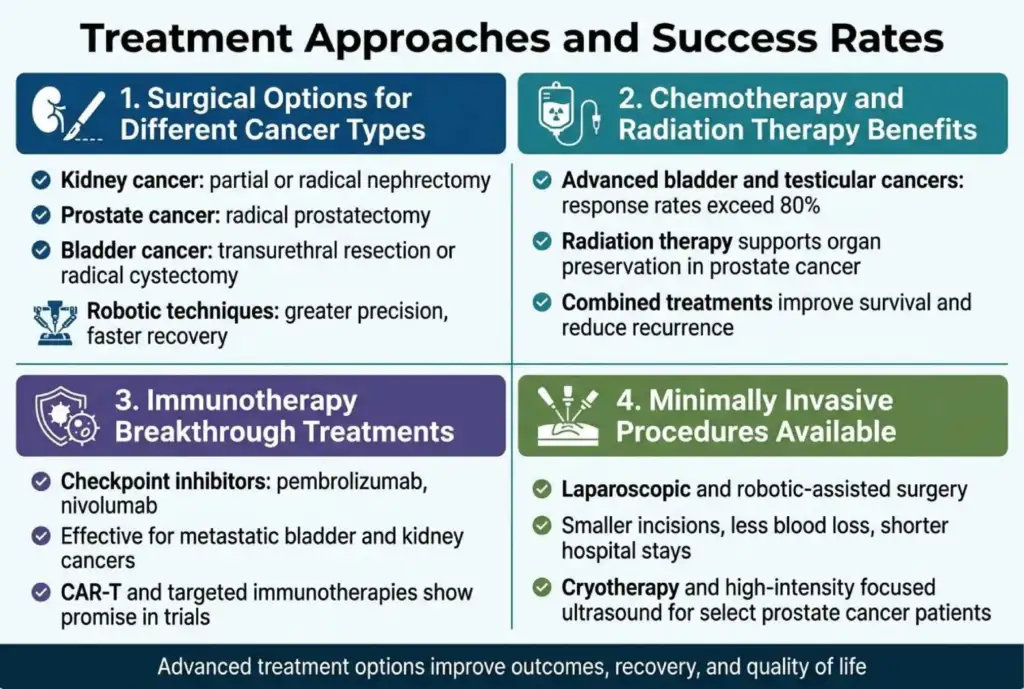
Surgical Options for Different Cancer Types
Surgical intervention remains the gold standard for treating most urological cancers, with procedures tailored to specific cancer types and stages. For kidney cancer treatment, partial or radical nephrectomy offers excellent outcomes, especially when detected early. Prostate cancer patients benefit from radical prostatectomy, while bladder cancer may require transurethral resection or radical cystectomy depending on tumor invasion. Advanced robotic surgical techniques have revolutionized urologic malignancy treatment, providing better precision and faster recovery times.
Chemotherapy and Radiation Therapy Benefits
Chemotherapy plays a crucial role in treating advanced urological cancer, particularly for bladder and testicular cancers where response rates exceed 80%. Radiation therapy complements surgical treatment, especially for prostate cancer patients seeking organ preservation. Combined treatment protocols show improved urological cancer survival rates compared to single-modality approaches. These systemic treatments effectively target cancer cells that may have spread beyond the primary tumor site, reducing recurrence risk significantly.
Immunotherapy Breakthrough Treatments
Immunotherapy has transformed genitourinary oncology treatment landscapes, offering new hope for patients with advanced urological cancers. Checkpoint inhibitors like pembrolizumab and nivolumab show remarkable success in treating metastatic bladder and kidney cancers. These breakthrough treatments work by enhancing the body’s natural immune response against cancer cells. CAR-T cell therapy and targeted immunotherapies continue showing promise in clinical trials, particularly for treatment-resistant cases.
Minimally Invasive Procedures Available
Modern urological cancer treatment emphasizes minimally invasive approaches that reduce patient trauma while maintaining treatment effectiveness. Laparoscopic and robotic-assisted surgeries offer smaller incisions, less blood loss, and shorter hospital stays compared to traditional open procedures. Focal therapies like cryotherapy and high-intensity focused ultrasound provide treatment options for select prostate cancer patients. These advanced techniques allow patients to return to normal activities faster while achieving comparable oncological outcomes to conventional surgical methods.
Living with Urological Cancer
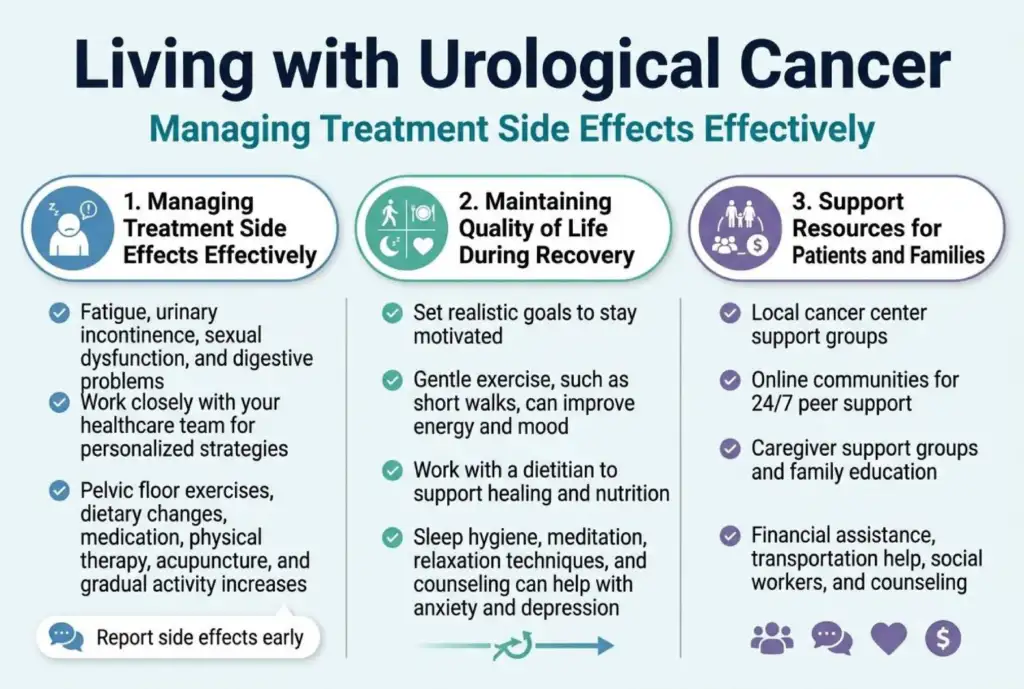
Managing Treatment Side Effects Effectively
Treatment for urological cancer often brings challenging side effects that can significantly impact daily life. Common issues include fatigue, urinary incontinence, sexual dysfunction, and digestive problems following surgery or chemotherapy. Working closely with your healthcare team helps develop personalized strategies to minimize these effects. Simple lifestyle adjustments like pelvic floor exercises, dietary modifications, and gradual activity increases can make a substantial difference. Many patients find relief through prescribed medications, physical therapy, and complementary approaches like acupuncture. Don’t hesitate to communicate openly with your doctor about any side effects you experience, as early intervention often leads to better management outcomes.
Maintaining Quality of Life During Recovery
Recovery from urological cancer treatment requires patience and intentional focus on rebuilding your physical and emotional well-being. Setting realistic goals helps maintain motivation while avoiding unnecessary stress about progress. Regular gentle exercise, even short walks, can boost energy levels and improve mood. Nutrition plays a crucial role in healing, so working with a dietitian familiar with urologic malignancy recovery can optimize your dietary choices. Sleep quality often suffers during treatment, making good sleep hygiene practices essential. Consider meditation, relaxation techniques, or counseling to address anxiety and depression that commonly accompany cancer diagnosis and treatment.
Support Resources for Patients and Families
Cancer affects the entire family unit, not just the patient, making comprehensive support systems vital for everyone involved. Local cancer centers typically offer support groups specifically for urological cancer patients where you can connect with others facing similar challenges. Online communities provide 24/7 access to peer support and practical advice from fellow survivors. Family members benefit from caregiver support groups and educational resources about living with urologic cancer. Professional counseling services help families navigate emotional challenges together. Many organizations provide financial assistance programs for treatment costs, transportation, and daily living expenses. Social workers at treatment centers can connect you with community resources tailored to your specific needs.
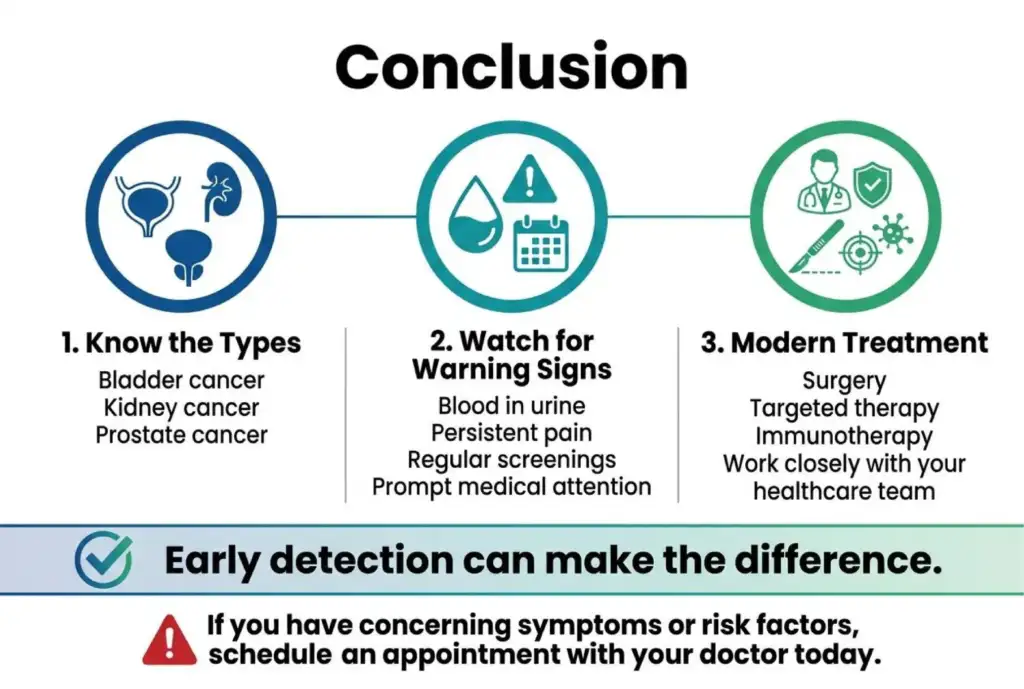
Urological cancers affect millions of people worldwide, but early detection and modern treatment methods have dramatically improved outcomes for patients. From understanding the different types like bladder, kidney, and prostate cancers to recognizing warning signs such as blood in urine or persistent pain, awareness remains your first line of defense. Regular screenings and prompt medical attention when symptoms appear can make the difference between catching cancer in its early, more treatable stages versus facing a more challenging diagnosis later.
The good news is that treatment options have never been more advanced or personalized. Whether you’re dealing with surgery, targeted therapy, or newer immunotherapy approaches, working closely with your healthcare team gives you the best shot at successful treatment. If you’re experiencing any concerning symptoms or have risk factors for urological cancers, don’t wait to schedule that appointment with your doctor. Remember, taking control of your health today could save your life tomorrow.
Also read,
Dr Priyansh Jain
Surgical Oncologist (Oncosurgeon) – Naman Cancer Clinic & Research Centre, Surat
Also read: Advanced Oncoplastic Breast Surgery with LICAP & LTAP Flaps
Also read: Breast Conservation Surgery with MICAP Flap Reconstruction for Breast Cancer