Cancer Vaccination: Complete Guide to Cancer Prevention and Protection
Cancer Vaccination Benefits for Long-Term Cancer Prevention
Protect Your Future with Cancer Vaccination and Early Cancer Prevention
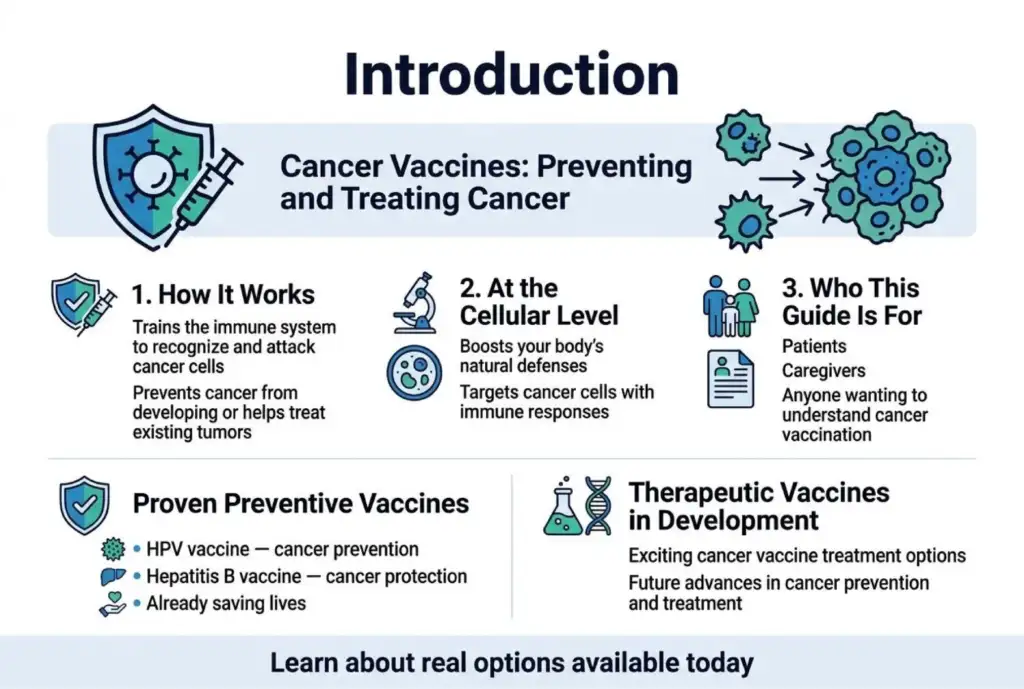
Cancer vaccination represents a breakthrough approach to fighting one of our most challenging health threats. These vaccines work by training your immune system to recognize and attack cancer cells, either preventing cancer from developing or treating existing tumors.
This guide is designed for patients, caregivers, and anyone wanting to understand how cancer vaccines can protect their health. You’ll discover the science behind cancer immunization and learn about real options available today.
We’ll explore how cancer vaccines work at the cellular level to boost your body’s natural defenses. You’ll learn about proven preventive cancer vaccines like the HPV vaccine cancer prevention and hepatitis B vaccine cancer protection that are already saving lives. We’ll also look at exciting therapeutic cancer vaccines currently in development and what future advances in cancer vaccination might mean for cancer prevention and treatment.
Whether you’re considering cancer prevention vaccines for yourself or a loved one, or exploring cancer vaccine treatment options, this comprehensive overview will help you make informed decisions about your health.
Understanding How Cancer Vaccines Work to Protect Your Health
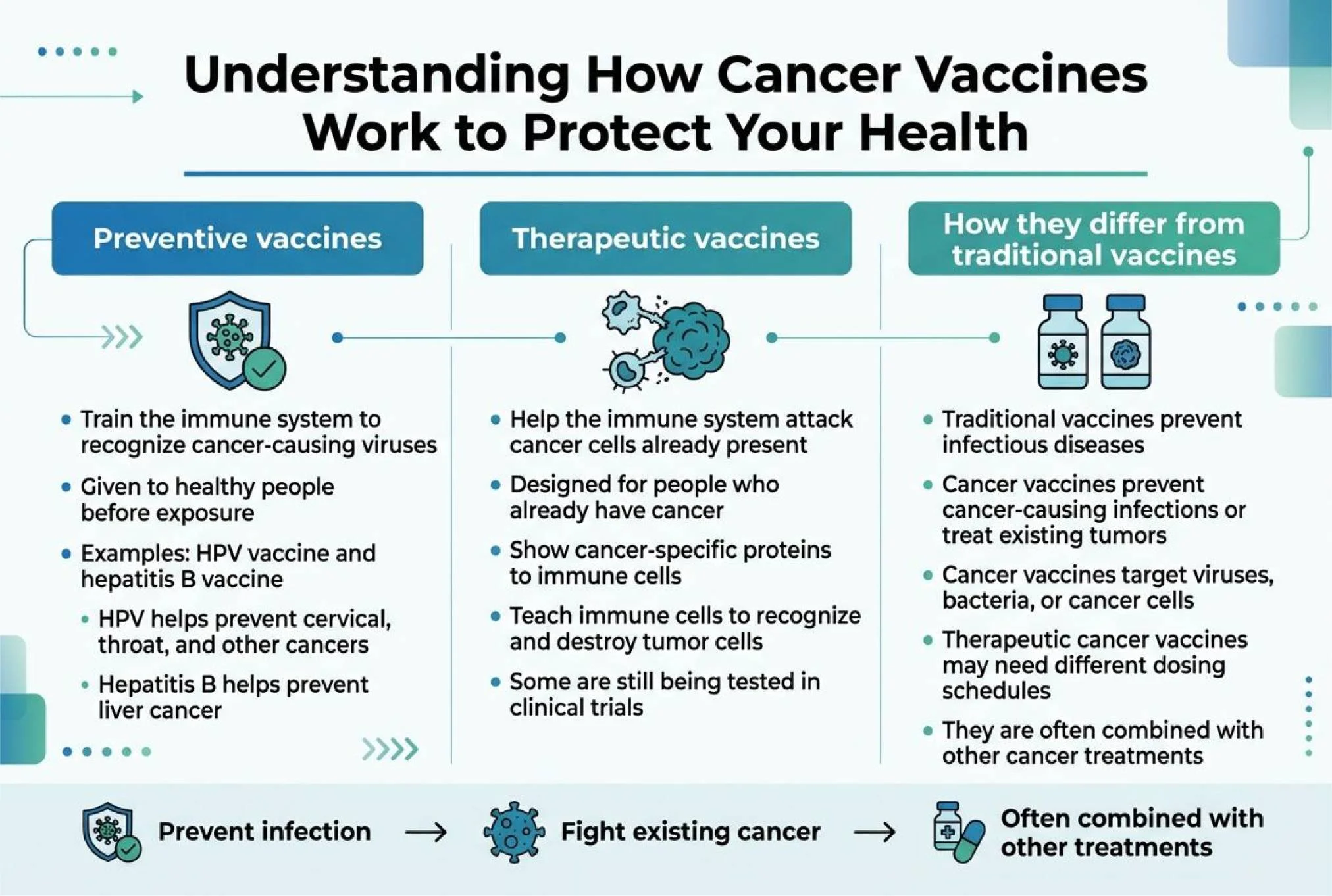
Preventive vaccines that stop cancer-causing infections
Preventive cancer vaccines work by training your immune system to recognize and fight viruses that can cause cancer later in life. The HPV vaccine protects against human papillomavirus, which leads to cervical, throat, and other cancers. Similarly, the hepatitis B vaccine prevents liver cancer by blocking the hepatitis B virus. These cancer prevention vaccines are given to healthy people before they’re exposed to these dangerous viruses.
Therapeutic vaccines that boost immune response against existing tumors
Therapeutic cancer vaccines take a different approach by helping your body’s immune system attack cancer cells that are already present. Unlike preventive vaccines, these treatments are designed for people who already have cancer. They work by presenting cancer-specific proteins to immune cells, teaching them to recognize and destroy tumor cells. Cancer vaccine treatment options are still being developed, with some showing promising results in clinical trials for various cancer types.
Key differences from traditional vaccines you already know
Cancer vaccines differ significantly from traditional vaccines like flu or measles shots. While conventional vaccines prevent infectious diseases by targeting viruses or bacteria, cancer vaccines either prevent cancer-causing infections or treat existing tumors. Traditional vaccines create immunity against foreign invaders, but therapeutic cancer vaccines must overcome the challenge of training immune systems to attack the body’s own cells that have become cancerous. Cancer immunization strategies also require different dosing schedules and often combine with other cancer treatments for maximum effectiveness.
Proven Cancer Vaccines Available Today for Maximum Protection
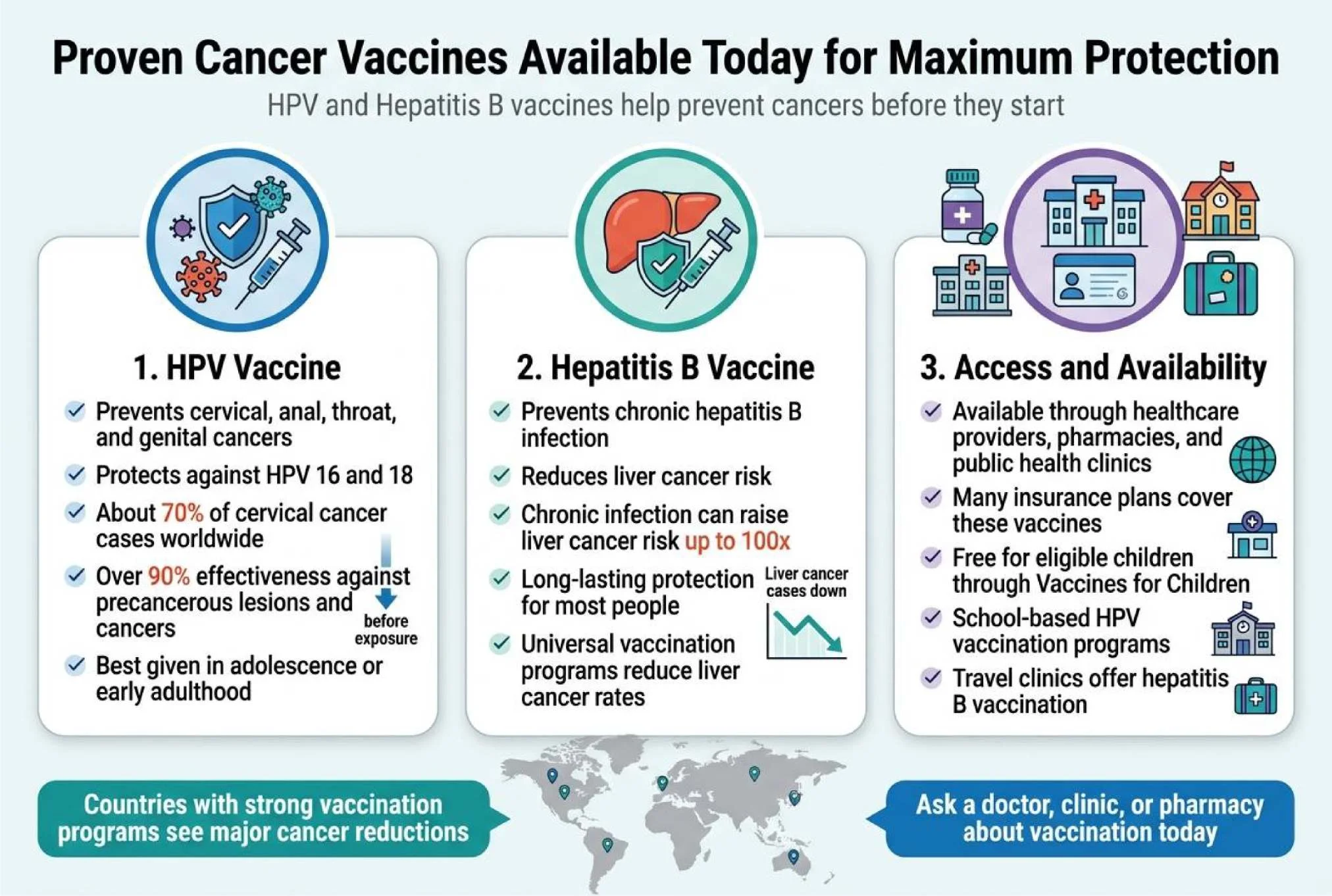
HPV vaccine preventing cervical and other cancers
The HPV vaccine stands as one of the most successful cancer prevention vaccines available today, protecting against human papillomavirus infections that cause cervical, anal, throat, and genital cancers. This preventive cancer vaccine targets high-risk HPV strains 16 and 18, which account for approximately 70% of cervical cancer cases worldwide. Given as a series of shots during adolescence or early adulthood, the HPV vaccine provides long-lasting protection when administered before exposure to the virus. Clinical studies demonstrate over 90% effectiveness in preventing HPV-related precancerous lesions and cancers. The vaccine works by training your immune system to recognize and fight HPV before it can establish persistent infections that lead to cancer development. Countries with robust HPV vaccination programs have already seen dramatic reductions in cervical cancer rates among vaccinated populations.
Hepatitis B vaccine stopping liver cancer development
The hepatitis B vaccine represents another powerful tool in cancer prevention, significantly reducing liver cancer risk by preventing chronic hepatitis B infections. Chronic hepatitis B infection increases liver cancer risk by up to 100 times compared to uninfected individuals. This cancer prevention vaccine protects against the hepatitis B virus, which causes liver inflammation, scarring, and eventually hepatocellular carcinoma in many patients. The vaccine series provides lifelong protection for most people and has dramatically reduced liver cancer incidence in regions with widespread vaccination programs. Taiwan’s universal hepatitis B vaccination program, launched in the 1980s, resulted in a 75% reduction in liver cancer cases among vaccinated children. Healthcare workers, travelers to high-risk areas, and people with certain medical conditions especially benefit from this cancer immunization strategy.
Current availability and accessibility options
Cancer vaccines like HPV and hepatitis B vaccines are widely available through healthcare providers, pharmacies, and public health clinics across most developed countries. Many insurance plans cover these preventive cancer vaccines completely, recognizing their long-term health benefits and cost-effectiveness. The CDC’s Vaccines for Children program provides free vaccinations to eligible families who cannot afford them. Adults can access these vaccines through their primary care physicians, specialists like Dr. Priyansh Jain in Surat for comprehensive cancer prevention strategies, or community health centers. School-based vaccination programs make HPV vaccines easily accessible to adolescents, while travel clinics offer hepatitis B vaccination for international travelers. Some regions face supply challenges or limited healthcare infrastructure, but global health organizations continue working to expand access to these life-saving cancer prevention tools worldwide.
Future Advances in Cancer Vaccination Offering New Hope
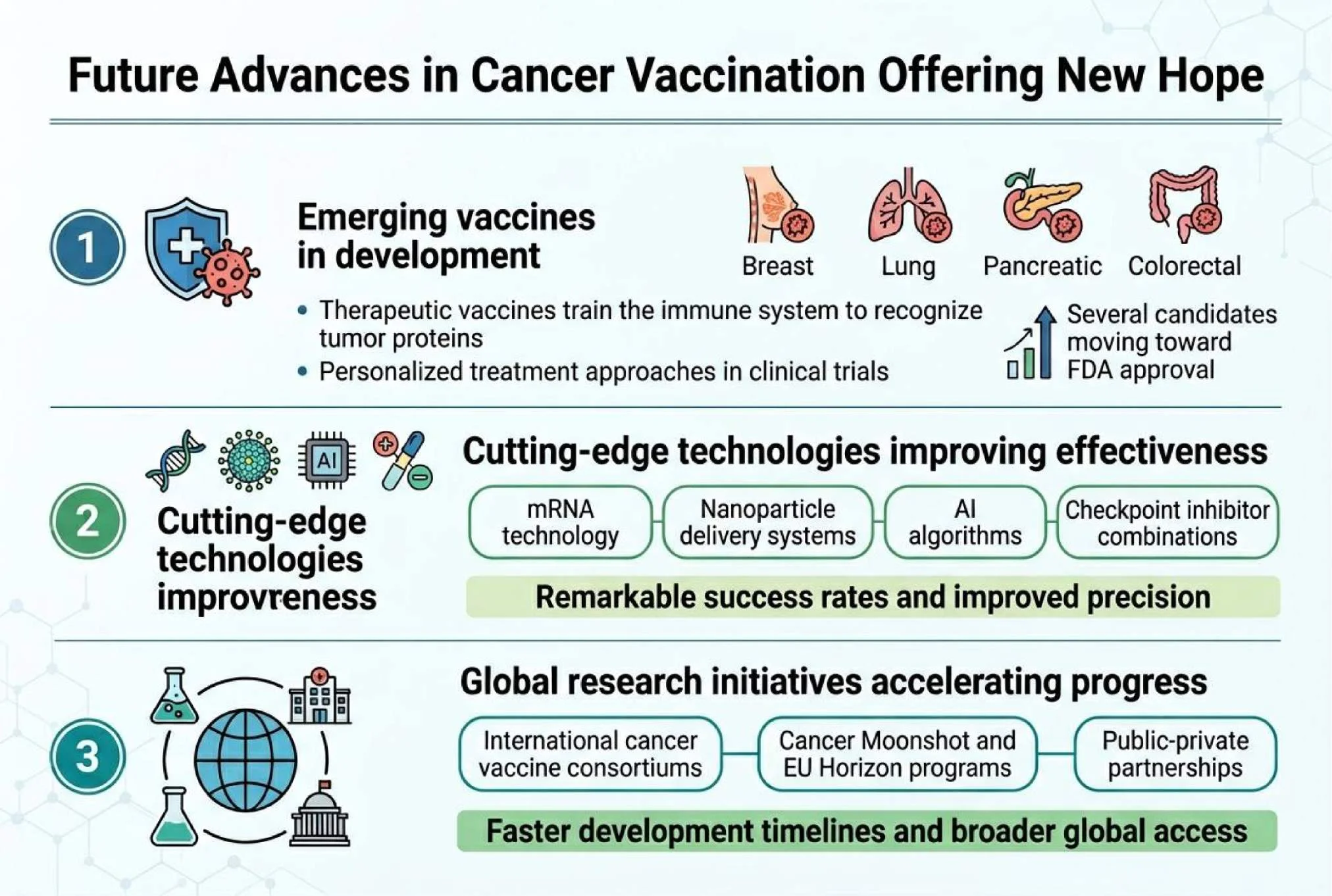
Emerging vaccines in development for major cancer types
Scientists worldwide are developing promising cancer vaccines targeting breast, lung, pancreatic, and colorectal cancers. These therapeutic cancer vaccines train the immune system to recognize specific tumor proteins, offering personalized treatment approaches. Clinical trials show encouraging results for melanoma and prostate cancer vaccines, with several candidates moving toward FDA approval.
Cutting-edge technologies improving vaccine effectiveness
Revolutionary mRNA technology, similar to COVID-19 vaccines, is transforming cancer vaccination development. Nanoparticle delivery systems enhance vaccine precision, while AI algorithms identify optimal tumor targets. Combination therapies pairing cancer vaccines with checkpoint inhibitors show remarkable success rates, making cancer vaccine treatment more effective than ever before.
Global research initiatives accelerating progress
Major pharmaceutical companies and research institutions collaborate through international cancer vaccine consortiums. The Cancer Moonshot initiative and European Union’s Horizon programs fund breakthrough research. Public-private partnerships accelerate clinical trials, bringing life-saving cancer immunization options closer to patients. These coordinated efforts promise faster development timelines and broader access to preventive cancer vaccines globally.
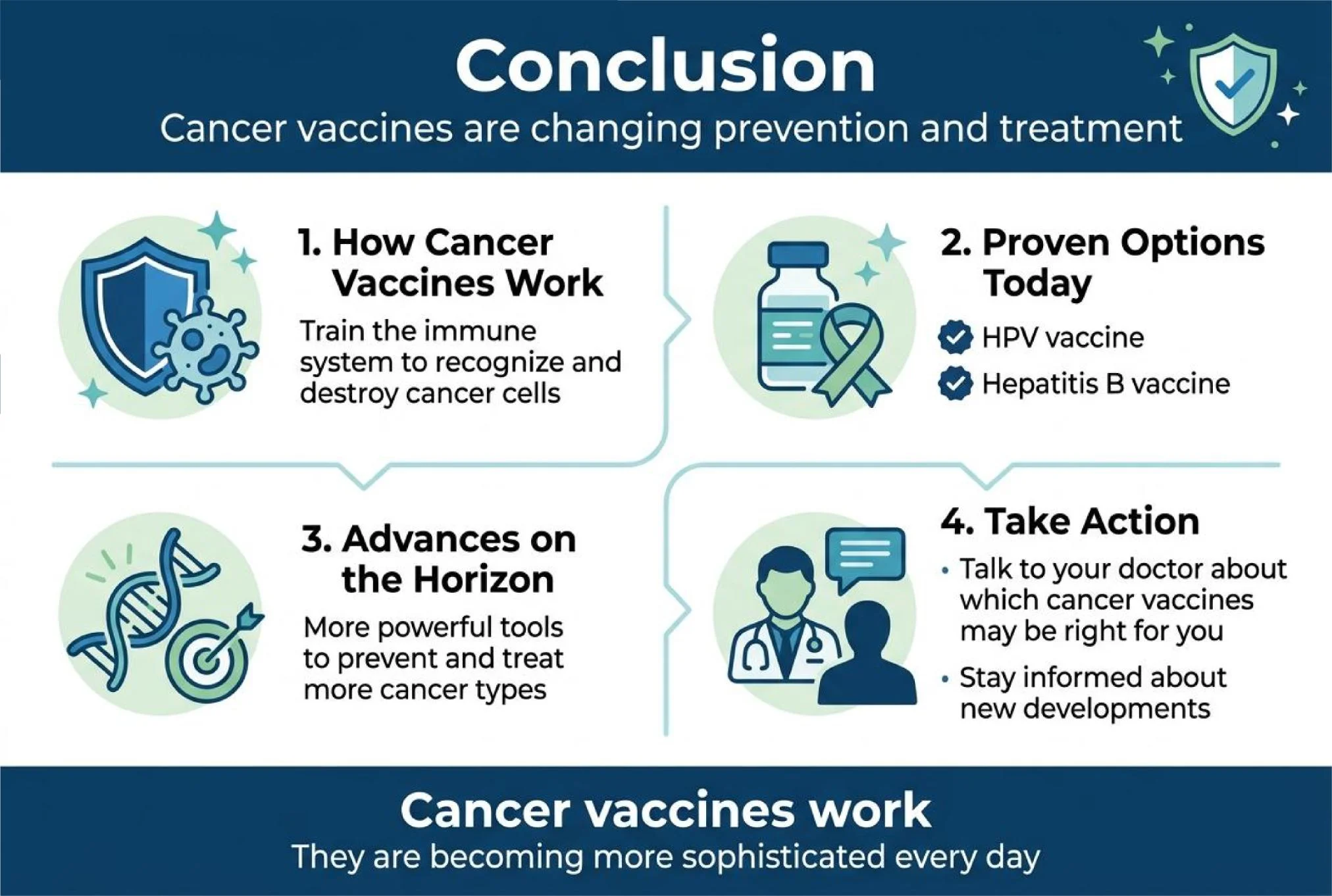
Cancer vaccines represent a game-changing approach to fighting one of our most feared diseases. From understanding how these vaccines train your immune system to recognize and destroy cancer cells, to exploring the proven options like the HPV and Hepatitis B vaccines that are already saving lives today, we’ve seen how this technology is making real differences right now. The exciting advances on the horizon promise even more powerful tools to prevent and treat various types of cancer.
The science is clear – cancer vaccines work, and they’re becoming more sophisticated every day. If you’re eligible for currently available vaccines like the HPV vaccine, don’t wait to protect yourself and your loved ones. Talk to your doctor about which cancer vaccines might be right for you, and stay informed about new developments in this rapidly evolving field. Your future self will thank you for taking these preventive steps today.
Also read,
Dr Priyansh Jain
Surgical Oncologist (Oncosurgeon)
Naman Cancer Clinic & Research Centre, Surat
Also read: Advanced Oncoplastic Breast Surgery with LICAP & LTAP Flaps
Also read: Breast Conservation Surgery with MICAP Flap Reconstruction for Breast Cancer