
Robotic Cancer Surgery: Advanced Cancer Treatment for Better Recovery
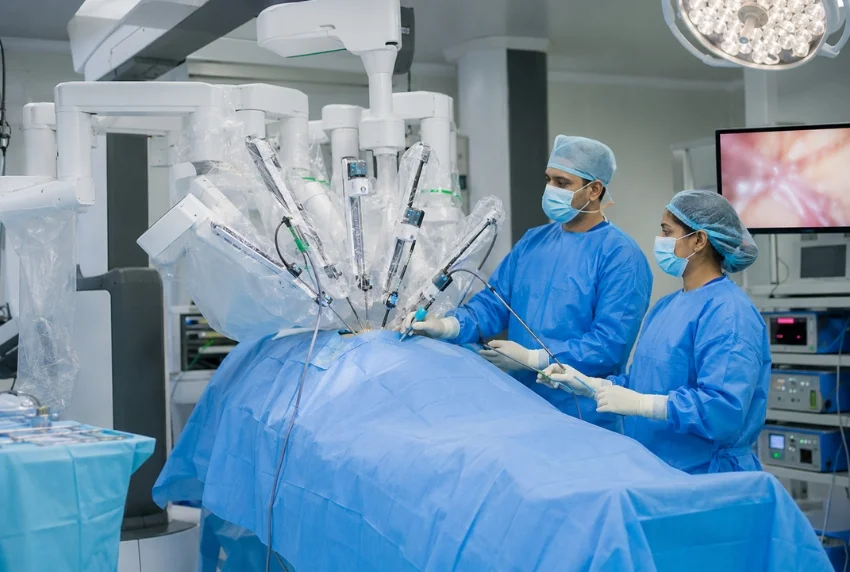
Cancer Types Treated with Robotic Cancer Surgery
Discover how robotic cancer surgery offers precision, minimally invasive treatment, quicker recovery, reduced pain, and improved outcomes for many cancer types.
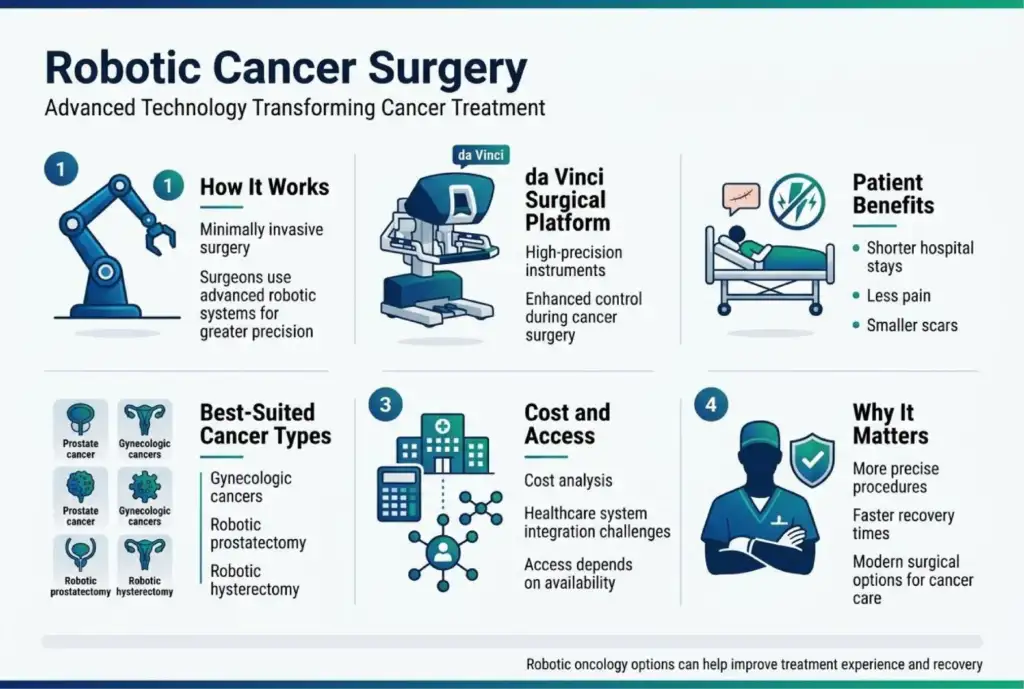
Robotic Cancer Surgery: Advanced Technology Transforming Cancer Treatment
Robotic cancer surgery is changing how doctors treat cancer, offering patients more precise procedures and faster recovery times. This guide is for cancer patients, their families, and anyone curious about modern surgical options who wants to understand how robotic technology works in cancer care.
We’ll explore how advanced technology revolutionizes cancer treatment through systems like the da Vinci surgical platform, which allows surgeons to perform minimally invasive cancer treatment with incredible precision. You’ll discover the superior patient outcomes and recovery benefits that come with robotic surgical procedures, including shorter hospital stays, less pain, and smaller scars compared to traditional open surgery.
We’ll also cover which cancer types work best with robotic intervention – from robotic prostatectomy for prostate cancer to robotic hysterectomy for gynecologic cancers. Finally, we’ll break down the cost analysis and healthcare system integration challenges that affect access to this advanced cancer treatment technology, helping you understand what to expect when considering robotic oncology options for your care.
Advanced Technology Revolutionizing Cancer Treatment
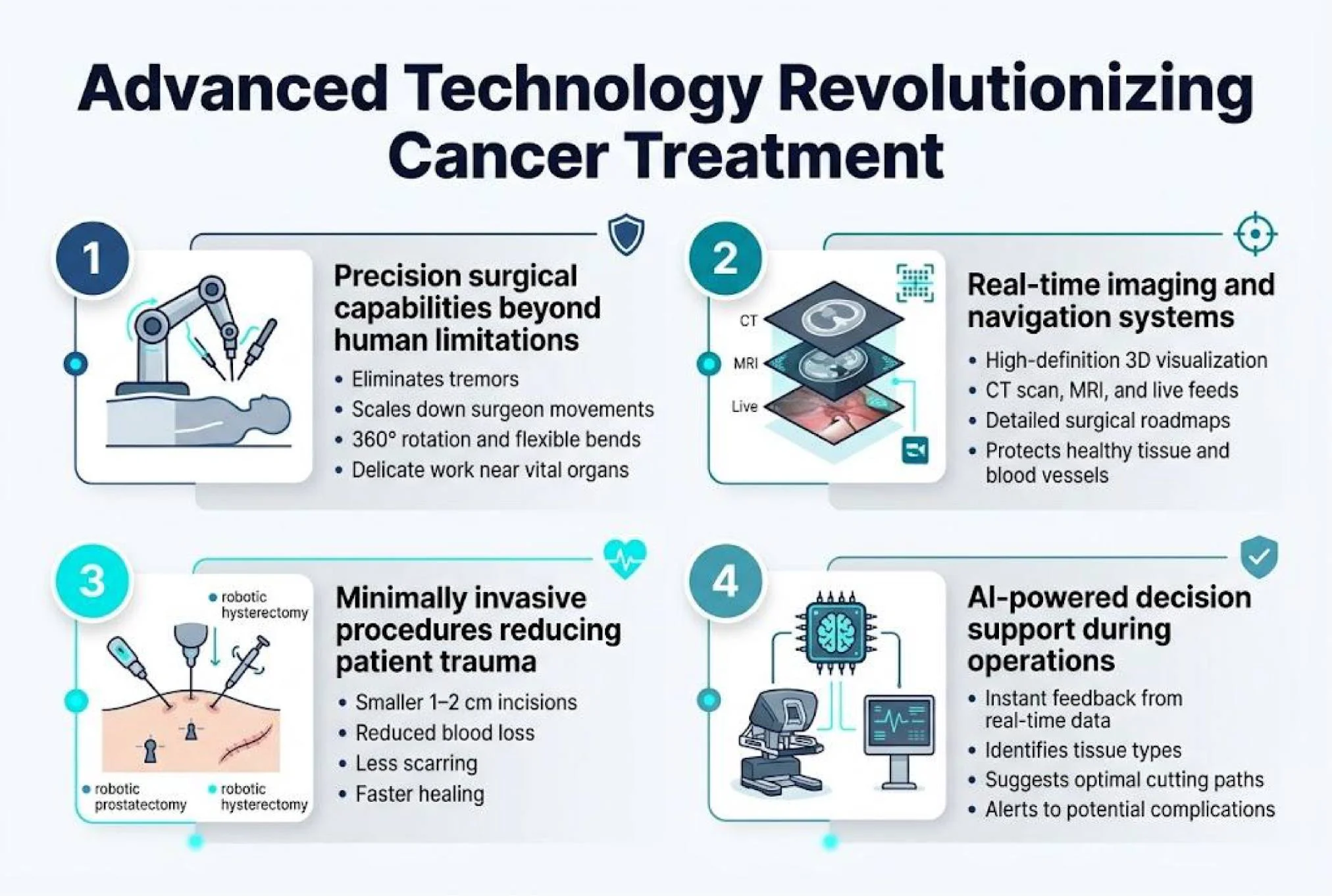
Precision surgical capabilities beyond human limitations
Robotic surgical systems push cancer treatment into new territory, delivering precision that human hands simply can’t match. These machines eliminate natural tremors and scale down surgeon movements, allowing for incredibly delicate work around vital organs and sensitive tissues. The robotic arms can rotate 360 degrees and bend in ways impossible for human wrists, making complex cancer surgeries more feasible than ever before.
Real-time imaging and navigation systems
Modern robotic cancer surgery integrates high-definition 3D visualization with real-time imaging technology, giving surgeons an enhanced view of the surgical site. These systems combine CT scans, MRI data, and live camera feeds to create detailed roadmaps during procedures. Surgeons can navigate around critical structures with confidence, identifying cancerous tissue boundaries more accurately while preserving healthy organs and blood vessels.
Minimally invasive procedures reducing patient trauma
Robotic cancer surgery transforms major operations into minimally invasive procedures through tiny keyhole incisions. Instead of large open surgeries, patients benefit from:
- Smaller incisions – Usually 1-2 centimeters instead of 6-12 inches
- Reduced blood loss – Precise movements minimize tissue damage
- Less scarring – Tiny entry points heal with minimal visible marks
- Faster healing – Reduced trauma means quicker recovery times
Popular procedures like robotic prostatectomy and robotic hysterectomy showcase how this technology preserves surrounding healthy tissue while effectively removing cancerous areas.
AI-powered decision support during operations
Artificial intelligence now assists surgeons during robotic surgical procedures, analyzing real-time data to provide instant feedback. These smart systems can identify tissue types, suggest optimal cutting paths, and alert surgeons to potential complications before they occur. Machine learning algorithms continuously improve surgical outcomes by learning from thousands of previous cases, making each procedure safer and more effective than traditional methods.
Superior Patient Outcomes and Recovery Benefits
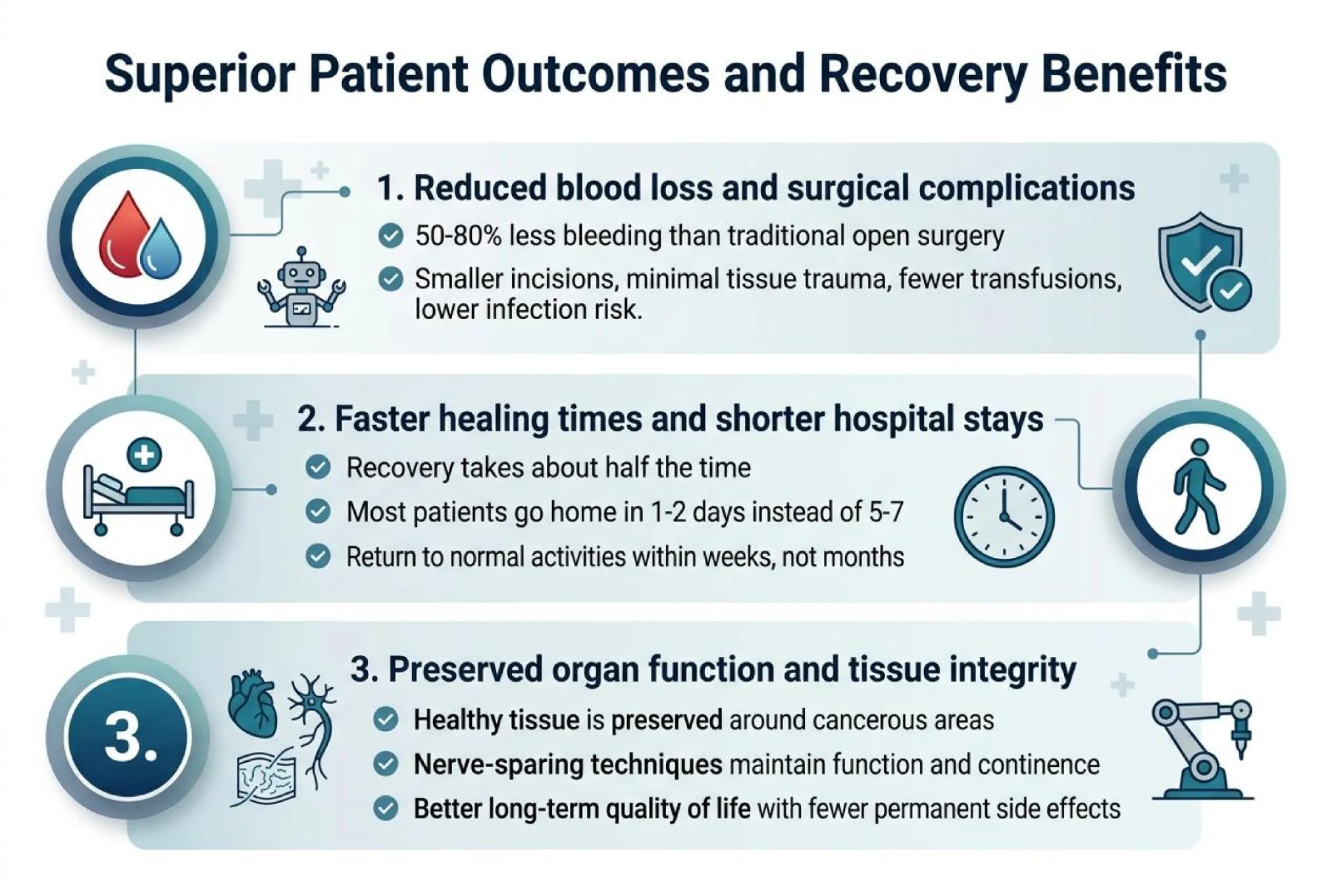
Reduced blood loss and surgical complications
Robotic cancer surgery dramatically cuts blood loss during procedures, with patients experiencing 50-80% less bleeding compared to traditional open surgery. The precise robotic instruments make smaller incisions and cause minimal tissue trauma, reducing infection risks and post-operative complications. This enhanced precision means fewer blood transfusions and lower chances of surgical site infections.
Faster healing times and shorter hospital stays
Recovery from robotic surgical procedures typically takes half the time of conventional cancer surgery. Most patients go home within 1-2 days instead of the usual 5-7 day hospital stay. The minimally invasive nature of robotic cancer surgery allows patients to return to normal activities within weeks rather than months, getting back to work and family life much sooner.
Preserved organ function and tissue integrity
The extraordinary precision of robotic systems preserves healthy tissue surrounding cancerous areas. During robotic prostatectomy, nerve-sparing techniques maintain sexual function and continence in most patients. Similarly, robotic hysterectomy procedures protect surrounding organs and blood vessels. This targeted approach removes cancer while keeping normal anatomy intact, leading to better long-term quality of life and fewer permanent side effects from treatment.
Cancer Types Best Suited for Robotic Intervention
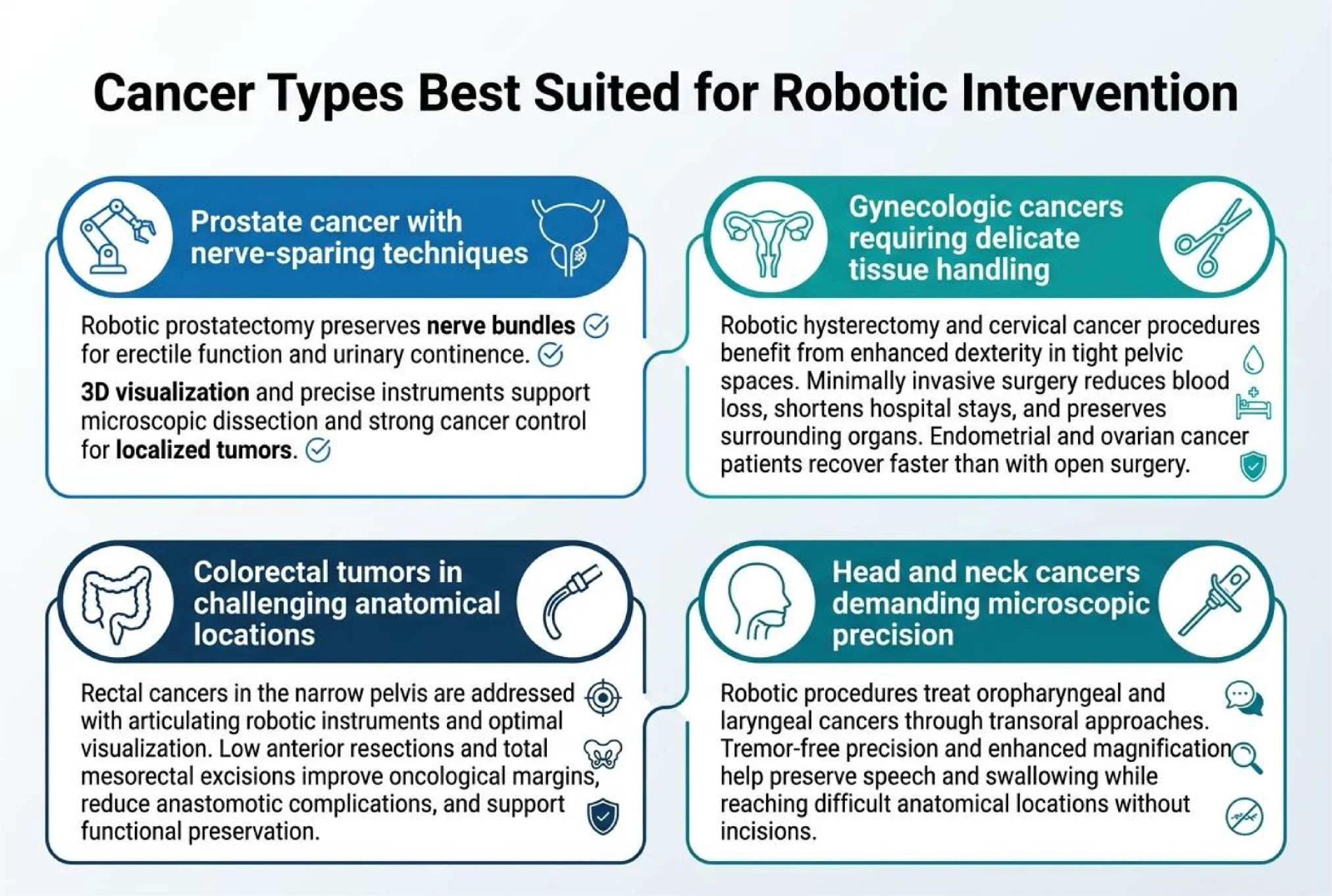
Prostate cancer with nerve-sparing techniques
Robotic prostatectomy using da Vinci surgical systems allows surgeons to preserve delicate nerve bundles responsible for erectile function and urinary continence. The enhanced 3D visualization and precise instrument control enable microscopic dissection around the prostate capsule, significantly reducing postoperative complications while maintaining excellent cancer control rates for localized prostate tumors.
Gynecologic cancers requiring delicate tissue handling
Robotic hysterectomy and cervical cancer procedures benefit from enhanced dexterity in tight pelvic spaces. The minimally invasive approach reduces blood loss, shortens hospital stays, and preserves surrounding organs during complex oncological resections. Endometrial and ovarian cancer patients experience faster recovery times compared to traditional open surgical techniques.
Colorectal tumors in challenging anatomical locations
Rectal cancers located in the narrow pelvis pose unique surgical challenges that robotic systems address effectively. The articulating instruments navigate around bony structures while maintaining optimal visualization of critical anatomy. Low anterior resections and total mesorectal excisions achieve superior oncological margins with reduced risk of anastomotic complications and functional preservation.
Head and neck cancers demanding microscopic precision
Robotic surgical procedures excel in treating oropharyngeal and laryngeal cancers through transoral approaches. The tremor-free precision and enhanced magnification allow surgeons to remove tumors while preserving speech and swallowing functions. Advanced cancer treatment technology enables access to previously unreachable anatomical locations without external incisions, improving both oncological outcomes and quality of life.
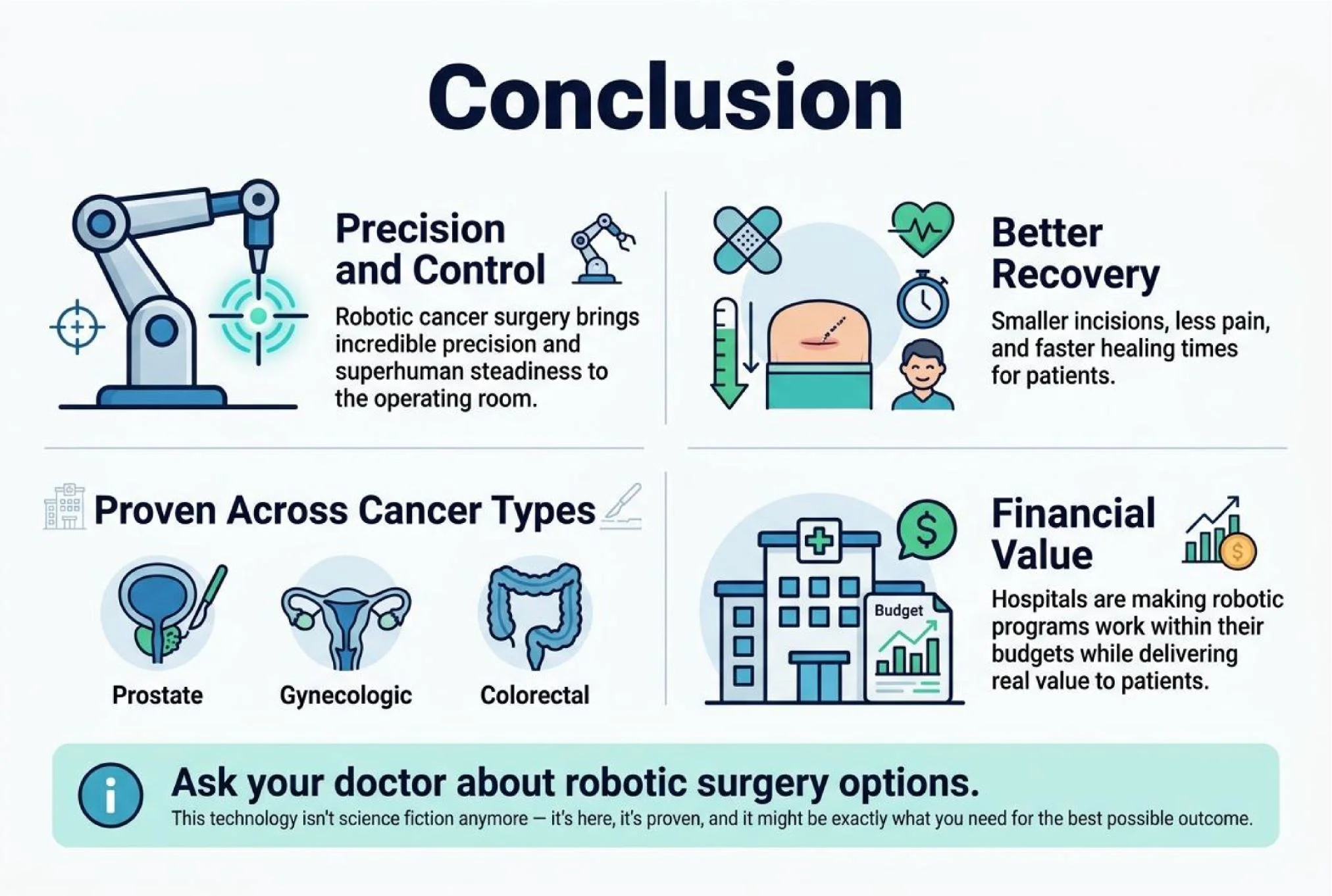
Robotic cancer surgery has clearly changed how we approach cancer treatment, bringing incredible precision and better outcomes to patients who need it most. The technology gives surgeons superhuman steadiness and control, which translates to smaller incisions, less pain, and faster healing times for patients. From prostate and gynecologic cancers to certain colorectal procedures, robots are proving their worth in operating rooms across the country.
The financial picture is getting brighter too, as hospitals find ways to make robotic programs work within their budgets while delivering real value to patients. If you or someone you know is facing a cancer diagnosis, don’t hesitate to ask your doctor about robotic surgery options. This technology isn’t science fiction anymore – it’s here, it’s proven, and it might be exactly what you need for the best possible outcome.
Also read,
Dr Priyansh Jain
Surgical Oncologist (Oncosurgeon)
Naman Cancer Clinic & Research Centre, Surat
Also read: Advanced Oncoplastic Breast Surgery with LICAP & LTAP Flaps
Also read: Breast Conservation Surgery with MICAP Flap Reconstruction for Breast Cancer