Cancer Vaccination: HPV and Hepatitis B Vaccines for Cancer Prevention
Understand how HPV and hepatitis B vaccines help prevent certain cancers, who may benefit from vaccination, and why medical advice and appropriate screening remain important.
Cancer prevention begins with understanding the risk factors that can be addressed before disease develops. Cancer vaccination is an important part of preventive healthcare because certain vaccines protect against infections that can lead to cancer later in life. The two key examples are the human papillomavirus (HPV) vaccine and the hepatitis B vaccine.
HPV vaccination helps prevent infections caused by HPV types associated with several cancers, including cervical cancer. Hepatitis B vaccination protects against hepatitis B virus infection, which can cause chronic liver disease and increase the risk of liver cancer.
However, vaccines do not prevent every type of cancer, and vaccination does not replace recommended cancer screening. Understanding the benefits, appropriate timing and limitations of cancer-prevention vaccines can help individuals and families make informed decisions with their healthcare professionals.
What Is Cancer Vaccination?
The term cancer vaccination can refer to vaccines used to prevent certain cancers or to specialised vaccines designed to treat existing cancer in selected clinical situations.
Preventive cancer vaccines generally protect against infections that may cause cancer. By preventing these infections, vaccination can reduce the risk of developing specific cancers in the future.
Two important examples are:
- HPV vaccine: Helps prevent infection with HPV types responsible for many cases of cervical cancer and some other cancers.
- Hepatitis B vaccine: Prevents hepatitis B infection, reducing the risk of chronic hepatitis B, cirrhosis and hepatitis B-related liver cancer.
These vaccines are preventive measures. They are not treatments for an existing cancer, and they cannot guarantee that a vaccinated person will never develop cancer.
Can Vaccines Prevent Cancer?
Yes, vaccination can help prevent certain cancers when those cancers are linked to infections targeted by the vaccine.
Some viruses can cause persistent infections or long-term changes in cells that may eventually lead to cancer. Vaccines train the immune system to recognise specific infectious agents and help prevent the infections they target.
Cancer-prevention vaccination is particularly important because it can offer protection before a person is exposed to the relevant infection.
However, not all cancers are caused by infections. Breast cancer, many colorectal cancers and numerous other cancers have different causes and risk factors. There is currently no universal vaccine that prevents all cancers.
What Is the HPV Vaccine?
The human papillomavirus (HPV) vaccine protects against selected types of HPV, a group of viruses that can infect the skin and certain mucosal surfaces. Many HPV infections clear naturally, but persistent infection with high-risk HPV types can cause cellular changes that may develop into cancer.
HPV vaccination helps prevent new infections with the HPV types covered by the vaccine. It is most effective when administered before exposure to those types.
The HPV vaccine is commonly discussed as part of cervical cancer prevention, but its benefits extend beyond cervical cancer. Vaccination recommendations should be based on the person’s age, vaccination history, health circumstances and applicable national guidance.
The HPV vaccine is an important part of cancer prevention because it protects against certain types of human papillomavirus (HPV) that can cause cervical and other cancers. HPV vaccination is most effective when given at the recommended age, before exposure to the virus. The appropriate vaccination schedule depends on age and individual circumstances, so consult a qualified healthcare professional for guidance.
Which Cancers Can HPV Vaccination Help Prevent?
High-risk HPV infections are associated with several cancers, including:
- Cervical cancer.
- Some cancers of the vagina and vulva.
- Some anal cancers.
- Some penile cancers.
- Some cancers of the oropharynx, including parts of the throat.
The cancers prevented depend on the HPV types covered by the vaccine. HPV vaccination substantially reduces the risk of infection with targeted types, but it does not protect against every cancer-causing HPV type.
Vaccination is therefore an important preventive measure, but it does not eliminate the need for appropriate cervical cancer screening.
What Is the Hepatitis B Vaccine?
The hepatitis B vaccine protects against the hepatitis B virus (HBV), which affects the liver. HBV infection can sometimes become chronic and cause long-term liver inflammation, cirrhosis and liver cancer.
Preventing hepatitis B infection can reduce the risk of liver cancer associated with chronic HBV infection. The vaccine does not prevent every cause of liver cancer, so other medical risks may still need attention.
Hepatitis B vaccination is part of preventive healthcare, and the recommended schedule depends on age, previous vaccination, health circumstances and national immunisation guidance.
People who may have been exposed to hepatitis B or who have a known infection should consult a healthcare professional for appropriate testing and care. Vaccination does not treat an infection that is already present.
The hepatitis B vaccine helps prevent hepatitis B virus infection, which can cause chronic liver disease and increase the risk of liver cancer. Vaccination according to recommended medical guidance is an important preventive measure.
Who Should Discuss HPV Vaccination With a Doctor?
HPV vaccination is generally recommended during childhood or early adolescence, before exposure to HPV. Recommendations about the starting age, number of doses and catch-up vaccination vary by country and individual circumstances.
Parents and caregivers can ask a qualified healthcare professional whether a child or adolescent is due for HPV vaccination.
Older adolescents and adults who have not been vaccinated may also benefit, depending on their age, previous vaccination and medical circumstances. The expected benefit may be lower for some adults who have already been exposed to HPV.
In India, vaccination guidance and programme eligibility should be checked through current Ministry of Health and Family Welfare information or a qualified healthcare professional. Do not rely on a general online article to determine an individual’s eligibility or vaccination schedule.
Is HPV Vaccination Only for Girls?
HPV vaccination is important for girls because it helps prevent cervical cancer and other HPV-related diseases. Boys can also develop HPV-related cancers, and vaccination recommendations may include them depending on the applicable national guidance and vaccine availability.
Parents should discuss the recommended schedule for their children with their healthcare professional rather than assuming vaccination is relevant to only one sex.
What Is the HPV Vaccine Schedule?
There is no single schedule that applies to everyone in every country. The number and timing of doses depend on factors such as the person’s age when vaccination begins, immune status, previous doses and the national recommendations that apply.
For example, the US Centers for Disease Control and Prevention recommends routine HPV vaccination at ages 11–12 years, with vaccination able to start at age 9. Its schedule varies according to the age at the first dose and certain medical circumstances. Other countries may follow different national schedules.
For people in India, confirm the current recommendations and availability with a qualified healthcare professional or an official government immunisation source.
If a vaccine dose has been missed, ask a healthcare professional how to continue the series. Do not assume the entire series must be restarted.
Are Cancer-Preventing Vaccines Safe?
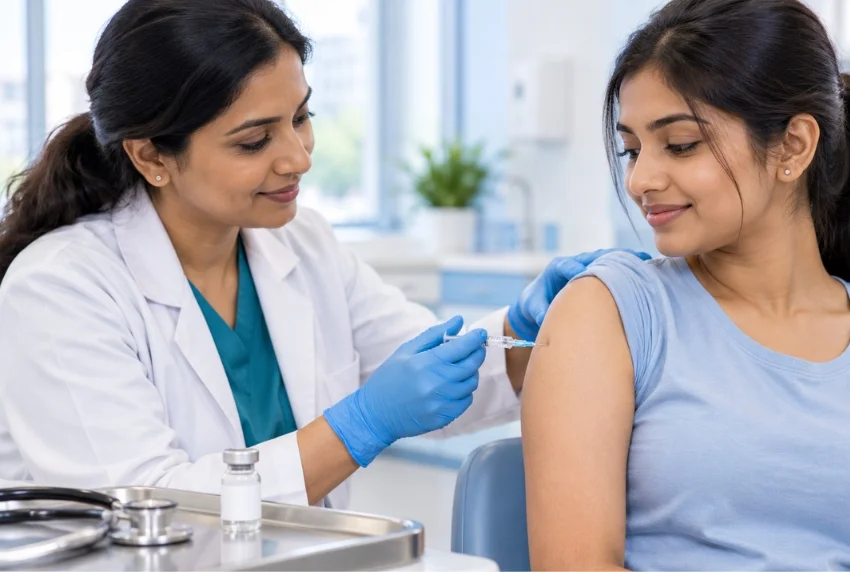
Approved vaccines are evaluated for safety and effectiveness before being authorised for use. Like other vaccines, HPV and hepatitis B vaccines can cause side effects, although many people experience none or only mild effects.
Common short-term reactions may include:
- Pain, redness or swelling at the injection site.
- Mild fever.
- Headache or tiredness.
- Temporary muscle discomfort.
The possible reactions and precautions vary by vaccine and individual health circumstances. Tell the healthcare professional about previous severe allergic reactions, relevant medical conditions and any concerns before vaccination.
If a person experiences symptoms that suggest a severe allergic reaction after vaccination, seek emergency medical care.
The healthcare professional can explain the benefits and risks for the individual and answer questions about vaccine safety.
Can Vaccination Replace Cancer Screening?
No. Vaccination and cancer screening have different purposes and work best as complementary preventive measures when both are recommended.
The HPV vaccine helps prevent new infections with the HPV types covered by the vaccine. Cervical cancer screening looks for high-risk HPV infection or abnormal cervical cell changes, depending on the test used. Appropriate follow-up and treatment of precancerous changes can prevent some cases of cervical cancer.
A person who has received HPV vaccination may still need cervical screening according to the applicable guidelines. Vaccination does not protect against every cancer-causing HPV type, and it does not treat existing infection or precancerous changes.
Ask a healthcare professional which screening tests are appropriate based on age, medical history and national recommendations.
What Are Therapeutic Cancer Vaccines?
Preventive vaccines and therapeutic cancer vaccines have different purposes.
Preventive vaccines help stop certain infections that can lead to cancer. Therapeutic cancer vaccines are designed to stimulate the immune system to recognise or attack cancer cells in people who already have cancer.
Therapeutic cancer vaccines are a specialised area of cancer treatment. Their availability and role depend on the particular vaccine, cancer type, clinical indication and local regulatory approval. Some approaches are established for specific indications, while many others remain under investigation.
Patients should not assume that a therapeutic cancer vaccine is appropriate for every cancer or that it can replace standard treatment. Any treatment decision should be discussed with the treating cancer specialist.
Frequently Asked Questions (FAQs)
1. Is there a vaccine that prevents all types of cancer?
No. There is no universal vaccine that prevents every type of cancer. HPV and hepatitis B vaccines can help prevent certain cancers associated with the infections they target.
2. Does the HPV vaccine prevent cervical cancer?
HPV vaccination helps prevent infection with HPV types responsible for many cases of cervical cancer. It substantially reduces risk but does not remove every risk, so recommended cervical screening remains important.
3. Can adults receive the HPV vaccine?
Some adults who were not vaccinated earlier may be eligible or may benefit, depending on their age, vaccination history, individual circumstances and local recommendations. Ask a healthcare professional whether vaccination is appropriate.
4. Does the hepatitis B vaccine prevent liver cancer?
The hepatitis B vaccine prevents HBV infection and can therefore reduce the risk of liver cancer caused by chronic hepatitis B. It does not prevent every cause of liver cancer.
5. Can the HPV vaccine treat an existing HPV infection?
No. The HPV vaccine is designed to prevent new infections with the HPV types it covers. It does not treat an existing HPV infection, HPV-related disease or established cancer.
6. Do vaccinated people still need cancer screening?
Yes, when screening is recommended for them. Vaccination and screening have different roles, and HPV vaccination does not replace recommended cervical cancer screening.
7. Where can I find the recommended vaccination schedule in India?
Check current Ministry of Health and Family Welfare guidance or speak with a qualified healthcare professional. Recommendations, eligibility and availability may differ by age, medical history and the relevant immunisation programme.
Conclusion
Cancer vaccination is an important part of prevention because certain vaccines protect against infections that can lead to cancer. HPV vaccination helps prevent several HPV-related cancers, while hepatitis B vaccination helps prevent hepatitis B infection and reduces the risk of HBV-related liver cancer.
The most appropriate vaccine and schedule depend on age, vaccination history, health circumstances and current national guidance. Vaccination should be combined with other recommended preventive measures, including cervical cancer screening where appropriate.
For reliable guidance, consult a qualified healthcare professional about recommended vaccines, eligibility, possible side effects and screening needs. Informed decisions based on trusted medical advice can help individuals and families take meaningful steps towards cancer prevention.
Also read,
Dr Priyansh Jain
Surgical Oncologist (Oncosurgeon) – Naman Cancer Clinic & Research Centre, Surat
Also read: Advanced Oncoplastic Breast Surgery with LICAP & LTAP Flaps
Also read: Breast Conservation Surgery with MICAP Flap Reconstruction for Breast Cancer
Also read: Robotic Cancer Surgery
Also read: National Cancer Institute — Childhood Cancers
Facebook Link: https://www.facebook.com/DrpriyanshOncologist/
Instagram: https://www.instagram.com/dr_priyanshjain/