Cancer Recurrence Prevention: Follow-Up Care and Risk Reduction

Understand what may influence cancer recurrence risk, why regular follow-up matters and how healthy habits can support wellbeing after treatment.
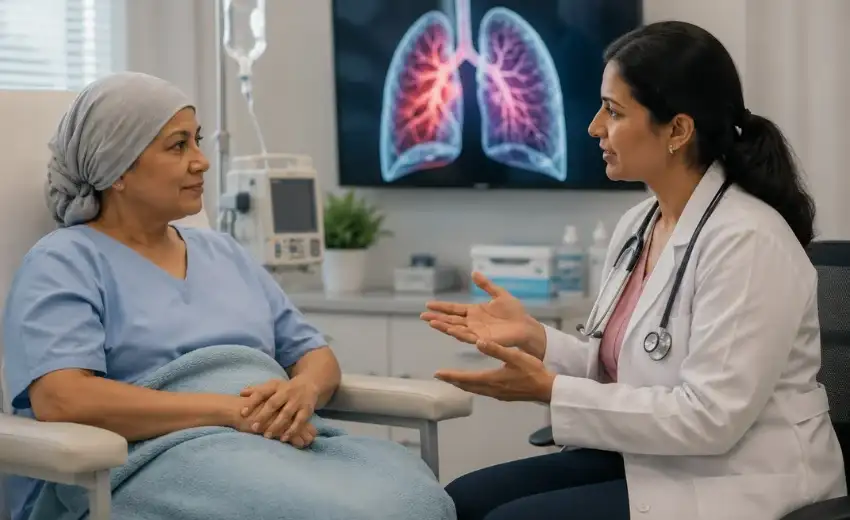
Cancer treatment can be a challenging journey, and completing treatment is an important milestone. After treatment, many patients and families naturally wonder what they can do to reduce the chance of cancer returning. Cancer recurrence prevention focuses on understanding individual risk factors, following an appropriate medical care plan and making health-conscious choices that support long-term wellbeing.
Although no method can guarantee that cancer will never return, some steps may help reduce certain risks and support overall health. Regular follow-up appointments, recommended medical treatment, appropriate physical activity, balanced nutrition and avoiding tobacco can all be important parts of life after cancer treatment. The right approach depends on the type of cancer, its stage, the treatment received and the patient’s individual health needs.
What Is Cancer Recurrence?
Cancer recurrence means that cancer returns after a period when it could not be detected or after treatment appeared to have eliminated it. Recurrence may happen months or years after the initial diagnosis, depending on the cancer and individual circumstances.
Cancer recurrence is generally described in three ways:
- Local recurrence: Cancer returns in or near the area where it originally developed.
- Regional recurrence: Cancer returns in nearby lymph nodes or surrounding tissues.
- Distant recurrence: Cancer is found in another part of the body after spreading from the original site.
Recurrence is different from a new, unrelated cancer. The medical team uses examination findings, imaging, laboratory tests and sometimes a biopsy to determine what is happening.
Not every new symptom or abnormal test result means cancer has returned. Many symptoms have other causes, so concerns should be evaluated by a qualified healthcare professional.
Can Cancer Recurrence Be Prevented?
There is no guaranteed way to prevent every cancer from returning. However, patients can take steps that may lower certain risks, support recovery and help identify concerning changes when appropriate.
These steps may include:
- Attending scheduled follow-up appointments.
- Taking prescribed medicines and completing recommended treatment.
- Following an individualised nutrition and physical activity plan.
- Avoiding tobacco and seeking help to stop smoking.
- Maintaining a healthy weight when medically appropriate.
- Discussing alcohol use and other relevant health risks with a clinician.
- Reporting new or persistent symptoms to the treating team.
- Avoiding unproven supplements or alternative treatments that claim to prevent recurrence.
These measures do not replace cancer treatment or guarantee a particular outcome. Recommendations should be tailored to the patient’s diagnosis, treatment history and current health.
Factors That May Influence Cancer Recurrence Risk
The likelihood of cancer returning differs from one patient to another. Several factors can influence this risk.
Type and Stage of Cancer
Different cancers behave differently. The original cancer type, its stage at diagnosis and whether it had spread can influence the chance of recurrence.
Tumour Biology
Certain features of cancer cells, including their growth characteristics and relevant molecular markers, may affect recurrence risk and treatment decisions.
Response to Initial Treatment
The response to surgery, chemotherapy, radiotherapy, targeted therapy, immunotherapy or other treatments can provide important information about the patient’s ongoing care needs.
Individual Health and Medical History
Age, other health conditions, family history and, in selected cases, inherited genetic factors may influence follow-up recommendations.
Treatment Adherence
For some cancers, additional medicines or other treatments are recommended after the initial treatment to reduce the risk of recurrence. Taking prescribed treatment as directed and discussing side effects promptly can be important.
Patients should not stop, delay or change prescribed cancer treatment without consulting their treating clinician.
Why Follow-Up Care Matters After Cancer Treatment
Follow-up care is a key part of cancer survivorship. Its purpose is to monitor recovery, assess treatment-related effects, address ongoing health concerns and look for signs of recurrence or a new cancer when appropriate.
A personalised follow-up plan may include:
- Medical history reviews and physical examinations.
- Blood tests or other laboratory investigations when indicated.
- Imaging studies based on the cancer type and clinical situation.
- Monitoring for long-term or delayed treatment effects.
- Advice about nutrition, activity and other health behaviours.
- Emotional, psychological and rehabilitation support when needed.
The timing and type of tests depend on the original cancer, the treatment received and current medical guidance. Not every patient needs the same tests at every visit.
Regular monitoring can help the care team identify changes that require further assessment. However, follow-up appointments cannot guarantee that every recurrence will be detected early or prevented.
Patients should keep copies of their treatment summary, pathology reports, imaging reports, medication details and follow-up recommendations. These records can help healthcare professionals make informed decisions about ongoing care.
Healthy Lifestyle Habits After Cancer Treatment
Healthy lifestyle choices can support general health and may help reduce certain cancer-related risks. Their benefits vary according to the cancer type and individual circumstances.
1. Eat a Balanced and Varied Diet
A balanced diet can support recovery, energy levels and overall health. Depending on individual needs, it may include:
- A variety of vegetables and fruits.
- Whole grains and other fibre-rich foods.
- Beans, lentils and other suitable protein sources.
- Appropriate amounts of protein-rich foods.
- Adequate fluids, unless fluid intake needs to be restricted for medical reasons.
Some patients experience appetite changes, digestive symptoms, weight loss or nutritional deficiencies during and after treatment. A registered dietitian or qualified healthcare professional can help create a suitable eating plan.
There is no single food or diet proven to prevent all cancer recurrences. Avoid extreme diets and claims that particular foods can eliminate cancer cells.
2. Stay Physically Active as Appropriate
Physical activity can help improve strength, mobility, mood and general wellbeing after cancer treatment. For some cancer survivors, regular activity is also associated with better outcomes.
The appropriate amount and intensity of exercise depend on the person’s health, energy levels, treatment effects and physical abilities.
Patients may begin with gentle activities, such as short walks, and increase activity gradually when medically appropriate. People recovering from major surgery or experiencing significant fatigue, pain, bone problems or other treatment effects should discuss exercise with their healthcare team before starting a new programme.
3. Maintain a Healthy Weight
Maintaining a healthy weight may benefit overall health and can be relevant to the risk of certain cancers returning. However, weight management should be approached carefully, particularly during recovery.
Some patients need additional calories and protein to regain strength or manage treatment-related weight loss. Others may benefit from gradual, supervised weight management.
Avoid crash diets or rapid weight-loss programmes without medical advice.
4. Avoid Tobacco
Avoiding tobacco is an important health measure after cancer treatment. Smoking and other tobacco use are associated with several cancers and can affect general health.
Patients who smoke can ask their healthcare team about evidence-based smoking cessation support. Avoiding second-hand smoke is also beneficial.
5. Discuss Alcohol Use With Your Doctor
Alcohol can increase the risk of certain cancers and may interact with medicines or affect other health conditions. The safest recommendation can vary depending on the patient’s diagnosis, treatment and medical history.
Discuss alcohol use with the treating clinician, particularly during active treatment or when taking medicines that may interact with it.
6. Get Adequate Rest and Support
Fatigue, sleep difficulties, anxiety and emotional stress may continue after cancer treatment. These experiences deserve attention and support.
A regular sleep routine, suitable physical activity, social support and psychological counselling when needed can help patients manage life after treatment. Stress management is valuable for wellbeing, but patients should not be blamed or made to feel that stress alone causes cancer recurrence.
Nutrition and Cancer Recurrence Risk
Nutrition is a common concern among cancer survivors. Patients may wonder whether eliminating sugar, avoiding particular food groups or taking supplements can stop cancer from returning.
The evidence does not support a universal diet that guarantees recurrence prevention. A varied, balanced diet can support health, but nutrition advice should be based on the person’s needs and any treatment-related difficulties.
Before taking vitamins, herbal products, antioxidants or other dietary supplements, patients should consult their healthcare team. Some products can interact with cancer medicines or affect treatment safety. Supplements should be used when appropriate, rather than as a replacement for prescribed treatment.
If a patient has ongoing weight loss, difficulty swallowing, persistent nausea or poor appetite, medical evaluation and individualised nutrition support may be necessary.
Medicines and Additional Treatment After Cancer Therapy
For some cancers, treatment continues after the main treatment has finished. This may include hormone therapy, targeted therapy, immunotherapy or other medicines, depending on the diagnosis and evidence supporting their use.
These treatments may be recommended to lower recurrence risk or manage the disease. The potential benefits, side effects and duration vary between patients.
Patients should:
- Understand why each medicine has been prescribed.
- Follow the agreed treatment schedule.
- Report side effects or difficulties taking medication.
- Ask before starting supplements or non-prescribed products.
- Discuss concerns before stopping or changing treatment.
Whether additional treatment is appropriate should be determined by the treating cancer specialist. No medicine should be started solely because it is advertised as a cancer recurrence prevention product.
Symptoms and Changes You Should Report to Your Doctor
Knowing which changes to report can help patients seek appropriate assessment without assuming that every symptom means cancer has returned.
Depending on the original cancer, concerning changes may include:
- A new lump, swelling or growth.
- Persistent or unexplained pain.
- Unintentional weight loss.
- A persistent cough or unexplained breathing difficulty.
- Unusual bleeding or bruising.
- Ongoing changes in bowel or bladder habits.
- Persistent digestive symptoms or difficulty swallowing.
- A return of symptoms associated with the original cancer.
- Any new or worsening symptom specifically highlighted in the patient’s follow-up plan.
These symptoms can have many causes, including conditions unrelated to cancer. A clinician can assess whether investigations are needed.
Do not wait until the next routine appointment if you develop a new, persistent or concerning symptom. Seek urgent medical attention for severe or rapidly worsening symptoms.
Emotional Wellbeing After Cancer Treatment
Finishing treatment can bring relief, but some patients continue to worry about recurrence. Anxiety may increase before follow-up appointments or while waiting for test results.
These feelings are common and should not be dismissed. Patients may benefit from speaking with their doctor, a counsellor, a mental health professional or a cancer support group.
Family members can help by listening, attending appointments when invited and supporting the patient’s individual recovery goals.
Seeking emotional support does not mean a patient is coping poorly. It is one part of comprehensive care after cancer treatment.
Frequently Asked Questions (FAQs)
1. Can cancer recurrence be prevented completely?
No. There is no guaranteed method to prevent every recurrence. The risk depends on factors such as the original cancer type, stage, tumour biology and response to treatment. Follow-up care and suitable health measures can support ongoing care but cannot eliminate all risk.
2. Can a healthy diet stop cancer from coming back?
No particular food or diet can guarantee that cancer will not return. A balanced diet may support recovery and general health. Patients should follow nutrition advice appropriate to their diagnosis, treatment effects and nutritional needs.
3. Do I need regular tests after cancer treatment?
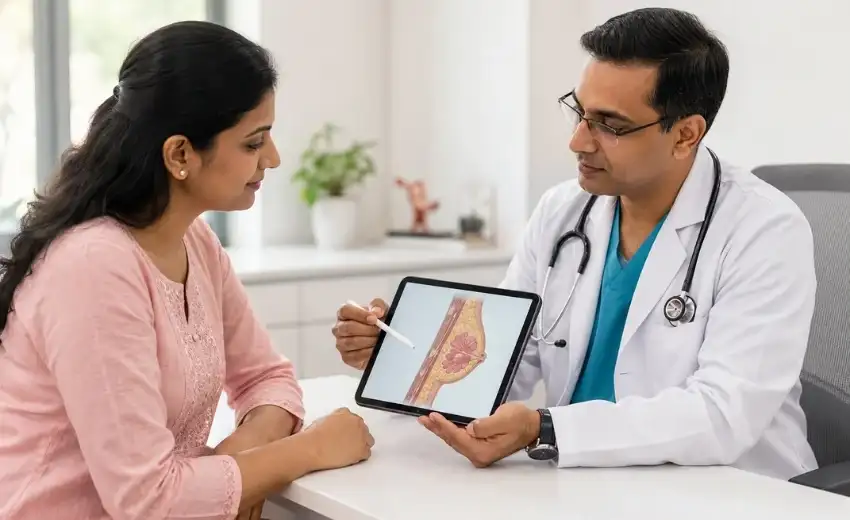
Many patients need a personalised follow-up plan. The type and frequency of tests depend on the original cancer, treatment received and clinical recommendations. Ask the treating specialist which examinations or investigations are appropriate.
4. Can cancer return years after treatment?
Yes. Some cancers can recur months or years after treatment. The timing and likelihood vary by cancer type and individual circumstances. Continue the follow-up recommended by your healthcare team.
5. Should I take supplements to prevent cancer recurrence?
Do not rely on supplements to prevent recurrence. Evidence does not establish that supplements can universally prevent cancer from returning, and some products can interact with medicines. Discuss any supplement with your treating clinician before taking it.
6. Does exercise help after cancer treatment?
Appropriate physical activity can improve strength, mobility, mood and overall wellbeing. Research also links physical activity with better outcomes for some cancer survivors. The type and intensity of activity should match the patient’s health and recovery needs.
7. What should I do if I am worried that my cancer has returned?
Contact your treating healthcare professional and describe the symptoms or concerns. They can determine whether an examination or further tests are needed. New symptoms do not always indicate recurrence, but persistent or concerning changes should be assessed.
Conclusion
Cancer recurrence prevention is best understood as a combination of personalised medical follow-up, appropriate treatment, healthy habits and awareness of changes in health. Although recurrence cannot always be prevented, patients can take meaningful steps to support their wellbeing and stay engaged with their care team.
Following recommended appointments, taking prescribed medicines, eating a balanced diet, staying physically active when appropriate and avoiding tobacco can contribute to a healthier life after cancer treatment. The right recommendations will always depend on the individual diagnosis and medical history.
If you have completed cancer treatment, discuss a personalised follow-up and survivorship care plan with your treating specialist. Seek medical advice about any new or persistent symptoms rather than relying on online information alone.
Also read,
Dr Priyansh Jain
Surgical Oncologist (Oncosurgeon) – Naman Cancer Clinic & Research Centre, Surat
Also read: Advanced Oncoplastic Breast Surgery with LICAP & LTAP Flaps
Also read: Breast Conservation Surgery with MICAP Flap Reconstruction for Breast Cancer
Also read: Robotic Cancer Surgery
Also read: National Cancer Institute — Childhood Cancers
Facebook Link: https://www.facebook.com/DrpriyanshOncologist/
Instagram: https://www.instagram.com/dr_priyanshjain/