Pediatric Surgical Oncology: Understanding Cancer Surgery for Children
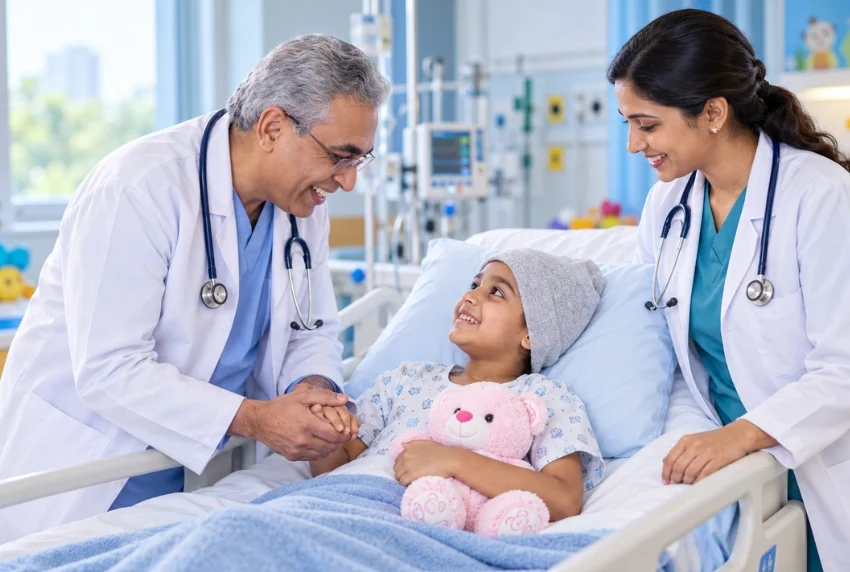
Understand the role of surgery in childhood cancer care, from diagnosis and treatment planning to recovery and long-term follow-up.
When a child is diagnosed with a tumor or a suspected cancer, parents and caregivers may have many questions about diagnosis, treatment and recovery. One important specialty involved in the care of certain childhood cancers is pediatric surgical oncology, which focuses on the surgical assessment and management of tumors in children.
Surgery may be used to obtain a tissue sample for diagnosis, remove a tumor, determine the extent of a disease or help manage specific complications. However, not every childhood cancer requires surgery, and the right approach depends on the type of tumor, its location, its stage and the child’s overall health.
Understanding pediatric surgical oncology can help families have more informed conversations with their child’s medical team and understand the possible steps involved in treatment.
What Is Pediatric Surgical Oncology?
Pediatric surgical oncology is a specialised field concerned with the surgical management of tumors and cancers affecting infants, children and adolescents. It may involve diagnostic procedures, tumor removal, surgical staging, reconstruction and the management of certain treatment-related complications.
Childhood cancers differ from many adult cancers in their types, biological behaviour and treatment requirements. For this reason, a child’s treatment plan should be developed according to the specific diagnosis and the needs of the child.
Pediatric surgical oncologists work alongside other specialists, which may include pediatric oncologists, radiologists, pathologists, anesthesiologists, oncology nurses and rehabilitation professionals. This coordinated approach helps the team consider the potential benefits and risks of each treatment option.
When Might a Child Need Cancer Surgery?
Surgery may be considered when a child has a solid tumor that requires further investigation or treatment. Its purpose varies according to the clinical situation.
A surgical procedure may be recommended to:
- Obtain a tissue sample to help confirm a diagnosis.
- Remove a tumor when complete or partial removal is appropriate.
- Assess the extent of certain tumors as part of treatment planning.
- Relieve symptoms caused by pressure or obstruction in selected cases.
- Reconstruct or repair affected tissues when necessary.
- Manage certain complications related to a tumor or its treatment.
Surgery is not suitable for every childhood cancer. For example, blood cancers such as leukemia are generally treated with systemic therapies rather than surgery to remove a tumor. The treating team determines whether a surgical procedure is necessary and when it should take place.
Types of Childhood Tumors That May Require Surgery
Several types of solid tumors in children may require surgical assessment. The approach differs depending on the tumor’s location, size, biology and relationship to nearby organs.
1. Wilms Tumor and Other Kidney Tumors
Wilms tumor is a type of kidney cancer that primarily affects children. Treatment may involve surgery, chemotherapy and, in selected circumstances, other treatments. The sequence of treatment depends on the clinical findings and the applicable treatment protocol.
2. Neuroblastoma
Neuroblastoma is a cancer that develops from immature nerve cells and may occur in areas such as the adrenal glands, abdomen, chest or neck. Surgery may form part of treatment for selected patients, but its timing and extent depend on the tumor’s risk classification and involvement of nearby structures.
3. Childhood Liver Tumors
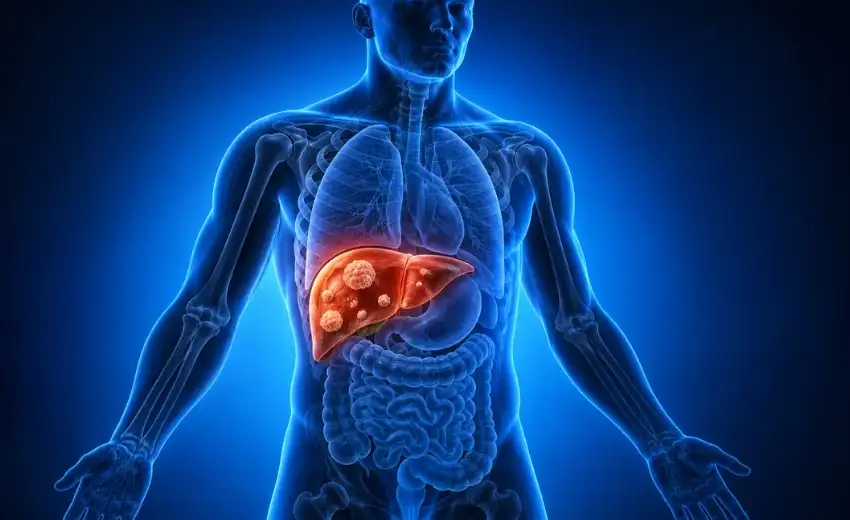
Certain liver tumors, including hepatoblastoma, may require assessment by a specialised pediatric cancer team. Treatment can involve chemotherapy and surgery, and selected patients may need evaluation for additional approaches based on the tumor’s extent and response to treatment.
4. Bone and Soft-Tissue Tumors
Some childhood cancers affect bones, muscles or other soft tissues. Surgery may be considered to remove the tumor while preserving function as much as possible. Treatment planning may also involve chemotherapy, radiotherapy or reconstructive procedures, depending on the diagnosis.
5. Germ Cell Tumors
Germ cell tumors can develop in different parts of the body, including the ovaries, testes, chest or abdomen. Treatment varies according to the tumor type, location, stage and other clinical factors. In some cases, surgery is an important part of diagnosis or treatment.
These examples are not a complete list. A lump or mass in a child does not automatically mean cancer; many childhood masses have non-cancerous causes and need appropriate medical evaluation.
How Are Childhood Tumors Diagnosed?
Accurate diagnosis is essential before deciding whether surgery or another treatment is appropriate. The evaluation may include several steps.
Medical History and Physical Examination
The doctor may ask about the child’s symptoms, how long they have been present, changes in the child’s health and any relevant family or medical history. A physical examination can help determine what further investigations may be needed.
Imaging Tests
Depending on the suspected condition, investigations may include ultrasound, magnetic resonance imaging (MRI), computed tomography (CT) or other appropriate imaging tests. These help assess the tumor’s location, size and relationship to nearby structures.
Laboratory Tests
Blood or urine tests may be recommended in selected cases. Certain laboratory findings can help the team evaluate a suspected tumor, but laboratory tests alone do not confirm every childhood cancer.
Biopsy and Pathology
A biopsy involves obtaining a tissue sample for examination. The sample may be collected using a needle or a surgical procedure, depending on the clinical situation. A pathologist examines the tissue to help establish the diagnosis and identify features that guide treatment.
Not every suspected tumor should be removed immediately to obtain a diagnosis. In some cases, the team recommends a planned biopsy followed by other treatment before considering surgery. The sequence should be decided by specialists familiar with the suspected tumor.
What Happens Before Pediatric Cancer Surgery?
Before an operation, the medical team evaluates the child’s diagnosis, general health and individual treatment needs.
Preoperative planning may include:
- Reviewing imaging, pathology and relevant laboratory results.
- Assessing the tumor’s location and relationship to nearby organs.
- Evaluating anesthesia and surgical risks.
- Discussing the purpose, expected benefits and possible complications of the procedure.
- Explaining preparation, hospital care and expected recovery.
- Coordinating surgery with chemotherapy or other treatments when needed.
Parents or legal guardians should have an opportunity to ask questions and understand the proposed procedure. The team should explain the available options, including whether further testing or a different treatment sequence is appropriate.
The Role of Surgery in Childhood Cancer Treatment
The role of surgery depends on the specific cancer and the treatment plan. It may be used alone in selected situations or combined with other treatments.
Tumor Removal
When appropriate, surgery aims to remove the tumor while protecting nearby organs and important structures. The extent of surgery depends on the tumor’s characteristics and what can be safely achieved.
Diagnostic Surgery
Some procedures are performed to obtain tissue for diagnosis rather than to remove the entire tumor. The findings can help the team select the most appropriate treatment.
Surgery After Other Treatments
In some cases, chemotherapy or another treatment is given before surgery. This may help reduce the tumor or address cancer cells beyond the primary site before an operation is considered.
In other cases, surgery may be performed first, followed by additional treatment if indicated. The best sequence is determined by the diagnosis and the relevant treatment protocol.
Function-Preserving and Reconstructive Approaches
When surgery is necessary, the team considers how the procedure may affect a child’s growth, movement, organ function and quality of life. Reconstructive procedures may be considered when appropriate, but their suitability depends on the individual case.
Can Surgery Be Combined With Chemotherapy or Other Treatments?
Yes. Some childhood cancers require a combination of treatments. Depending on the diagnosis, this may include surgery, chemotherapy, radiotherapy, targeted therapy, immunotherapy or other specialised treatments.
The purpose of each treatment is different. Surgery is a local treatment that addresses a specific area, while systemic treatments can act on cancer cells in different parts of the body. Not every child needs all these treatments.
The medical team considers factors such as the tumor type, stage, molecular characteristics where relevant, response to treatment and the child’s overall condition before recommending a treatment plan.
What Factors Influence a Child’s Treatment Plan?
There is no single treatment plan that is appropriate for every child with cancer. Important factors may include:
- The exact tumor type and pathology results.
- The tumor’s location, size and extent.
- Whether the cancer has spread to other parts of the body.
- The child’s age and overall health.
- The likely benefits and risks of surgery.
- The expected effects on growth, development and organ function.
- The availability of suitable specialist services.
- The child’s response to any treatment already given.
A specialist team uses these factors to weigh the potential benefits of treatment against its risks. Parents should ask how the proposed approach fits the child’s diagnosis and whether a second opinion from an appropriate pediatric cancer centre would be helpful.
Recovery and Follow-Up After Cancer Surgery
Recovery varies according to the type of operation, the tumor’s location and whether other treatments are required. Some children need a short period of hospital observation, while others may need a longer recovery and additional support.
After surgery, the medical team may monitor wound healing, pain, nutrition, mobility and the function of affected organs. Families should follow the care instructions provided by the treating team and attend scheduled follow-up appointments.
Parents should seek prompt medical advice if the child develops concerning symptoms such as fever, increasing pain, wound redness or discharge, persistent vomiting, breathing difficulties or unusual drowsiness. Severe or rapidly worsening symptoms require urgent medical assessment.
Long-term follow-up may be necessary to monitor recovery, detect recurrence when relevant and assess possible late effects of cancer treatment. The follow-up schedule depends on the child’s diagnosis and treatment history.
The Importance of a Multidisciplinary Pediatric Cancer Team
Childhood cancer care often requires expertise from several medical specialties. A multidisciplinary team may include:
- A pediatric oncologist to coordinate cancer treatment.
- A pediatric surgical oncologist or another appropriately trained surgeon when an operation is required.
- A radiologist to interpret imaging.
- A pathologist to examine tissue samples.
- An anesthesiologist to support safe surgery and pain management.
- Oncology nurses and other healthcare professionals to support treatment and recovery.
- Rehabilitation, nutrition and psychosocial support professionals when needed.
The team works together to determine the diagnosis, discuss treatment timing, coordinate different therapies and address the child’s wider needs.
Access to clinicians with appropriate pediatric cancer expertise is particularly important when a tumor is complex, rare or located near vital organs.
Frequently Asked Questions
1. What does a pediatric surgical oncologist do?
A pediatric surgical oncologist specialises in the surgical evaluation and management of tumors and cancers in children. Their role may include obtaining tissue samples, removing selected tumors and coordinating surgical care with other cancer specialists.
2. Do all children with cancer need surgery?
No. Some childhood cancers are treated mainly with medicines or other therapies. Surgery is considered when it is appropriate for the particular diagnosis and treatment plan.
3. Is surgery always the first treatment for a childhood tumor?
No. Depending on the tumor, a biopsy, chemotherapy or another treatment may be recommended before surgery. The correct sequence is determined by the specialist team.
4. Which childhood cancers may require surgery?
Selected kidney, liver, nerve-cell, bone, soft-tissue and germ cell tumors may require surgical assessment. Treatment varies substantially by tumor type, stage and the child’s condition.
5. How can parents prepare a child for cancer surgery?
The healthcare team can explain preparation, fasting instructions where applicable, anesthesia, hospital stay, pain management and recovery. Parents should follow the specific instructions given by the treating clinicians rather than relying on general advice.
6. How do families find appropriate pediatric cancer care?
Families should seek evaluation from a qualified pediatric oncology team with access to the relevant surgical expertise and supporting services. For complex or rare tumors, a specialist pediatric cancer centre may be particularly important.
Conclusion
Pediatric surgical oncology can play an important role in the diagnosis and treatment of selected childhood tumors. Depending on the condition, surgery may be used to obtain a diagnosis, remove a tumor, manage complications or work alongside other cancer treatments.
Every child needs an individualised plan based on an accurate diagnosis, the extent of the disease, the potential benefits and risks of treatment and the child’s long-term wellbeing. A coordinated team with appropriate pediatric cancer expertise can help families understand their options and make informed decisions.
If a child has a suspected tumor or a confirmed cancer diagnosis, consult a qualified pediatric oncology team for an assessment and guidance tailored to the child’s needs.
Also read,
Dr Priyansh Jain
Surgical Oncologist (Oncosurgeon) – Naman Cancer Clinic & Research Centre, Surat
Also read: Advanced Oncoplastic Breast Surgery with LICAP & LTAP Flaps
Also read: Breast Conservation Surgery with MICAP Flap Reconstruction for Breast Cancer
Also read: Robotic Cancer Surgery
Also read: National Cancer Institute — Childhood Cancers
Facebook Link: https://www.facebook.com/DrpriyanshOncologist/
Instagram: https://www.instagram.com/dr_priyanshjain/