
Liver Metastasis: Causes, Symptoms, Diagnosis and Treatment Options
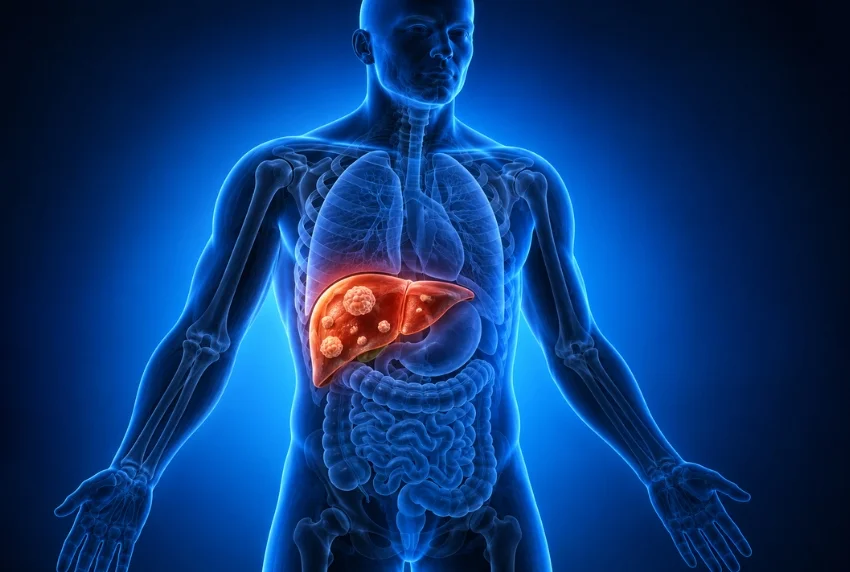
Understand how cancer spreads to the liver, the symptoms to recognise, the tests used for diagnosis and the treatment options that may be considered.
Liver metastasis occurs when cancer cells spread to the liver from a cancer that originally developed in another part of the body. It is different from primary liver cancer, which begins in the liver itself. Understanding the origin of the cancer, the extent of its spread and the patient’s overall health is essential for choosing an appropriate treatment plan.
Although a diagnosis of liver metastasis can be concerning, treatment options are available. Depending on the cancer type and individual circumstances, care may include systemic therapy, surgery, ablation, radiation-based treatments or a combination of approaches. Early assessment by an experienced multidisciplinary cancer team can help determine the most appropriate next steps.
What Is Liver Metastasis?
Liver metastasis refers to cancer that has spread from its original location to the liver. It is also called metastatic liver cancer or secondary liver cancer.
For example, when colorectal cancer spreads to the liver, the cancer cells in the liver are still colorectal cancer cells. The condition is therefore called colorectal cancer with liver metastases rather than a new primary liver cancer.
Cancer cells can travel through the bloodstream or lymphatic system and establish new tumours in the liver. These tumours may be present as a single lesion or as multiple areas of cancer.
Liver metastasis can be diagnosed at the same time as the original cancer or may develop months or years after the initial diagnosis. The timing and pattern of spread depend on the type and biology of the cancer.
What Is the Difference Between Primary Liver Cancer and Liver Metastasis?
Understanding this distinction is important because the two conditions may require different investigations and treatment strategies.
Primary liver cancer begins in the liver. Hepatocellular carcinoma is the most common type of primary liver cancer, while other types can arise from the bile ducts or different liver tissues.
Liver metastasis develops when cancer from another organ spreads to the liver. The original cancer may have started in the colon, rectum, breast, lung, pancreas, stomach or another part of the body.
Doctors identify the likely origin of the cancer by reviewing medical history, imaging findings, biopsy results and relevant laboratory or molecular tests. Treatment is generally planned according to the original cancer type as well as the extent of disease.
Which Cancers Can Spread to the Liver?
Several cancers can spread to the liver. The likelihood depends on the cancer type, its stage and its biological characteristics.
1. Colorectal Cancer
Colorectal cancer, which begins in the colon or rectum, is a common source of liver metastases. Cancer cells can travel from the digestive tract to the liver through the bloodstream.
For selected patients with colorectal cancer limited to the liver, surgery or other liver-directed treatments may be considered. The decision depends on the number and location of lesions, whether all visible disease can be treated and the patient’s overall condition.
2. Breast Cancer
Breast cancer may spread to the liver as well as to other organs. Treatment depends on the characteristics of the breast cancer, previous treatments, molecular findings and whether cancer is present elsewhere.
Systemic treatments are often an important part of care. Liver-directed procedures may be considered in selected circumstances after specialist assessment.
3. Lung Cancer
Lung cancer can spread to the liver and other distant organs. Investigations help establish the extent of the disease and identify the cancer subtype.
Treatment may involve systemic therapy, including chemotherapy, targeted therapy or immunotherapy when appropriate for the particular cancer. The treatment plan depends on tumour characteristics and the patient’s overall health.
4. Pancreatic and Stomach Cancer
Pancreatic cancer and stomach cancer can also spread to the liver. The care team evaluates the primary tumour, liver involvement and any spread to other organs before recommending treatment.
Systemic treatment is often central to management, while additional procedures may be appropriate in selected situations.
5. Other Cancers
Other cancers, including oesophageal cancer, kidney cancer and melanoma, may also spread to the liver. The recommended treatment depends on the original cancer, its molecular characteristics and the extent of metastatic disease.
A liver lesion should not automatically be assumed to represent metastasis. Medical assessment and appropriate investigations are needed to determine its cause.
What Are the Symptoms of Liver Metastasis?
Some people with liver metastases do not experience noticeable symptoms, particularly during the early stages. The condition may be identified during scans performed for another cancer or as part of follow-up care.
When symptoms occur, they may include:
- Pain or discomfort in the upper-right part of the abdomen.
- Reduced appetite or feeling full sooner than usual.
- Unexplained weight loss.
- Persistent fatigue or weakness.
- Nausea or general digestive discomfort.
- Abdominal swelling.
- Yellowing of the skin or the whites of the eyes, known as jaundice.
- Dark urine or pale stools.
- Itching associated with jaundice.
These symptoms can have several causes and do not necessarily indicate liver metastasis. However, persistent or worsening symptoms should be medically evaluated, especially in someone with a current or previous cancer diagnosis.
Jaundice, rapidly increasing abdominal swelling, confusion or severe abdominal pain requires prompt medical assessment.
What Causes Cancer to Spread to the Liver?
Cancer spreads when cells from the original tumour invade surrounding tissues and travel to other parts of the body. They may enter the bloodstream or lymphatic system and establish new tumour deposits.
The liver receives a substantial supply of blood, including blood from the digestive system. This circulation helps explain why cancers such as colorectal cancer can commonly spread to the liver.
However, the process of metastasis is complex. Not every cancer spreads to the liver, and not every person with a particular cancer will develop liver metastases.
The likelihood of spread depends on factors such as the cancer type, tumour biology, stage at diagnosis and response to treatment.
How Is Liver Metastasis Diagnosed?
Diagnosing liver metastasis involves determining whether a liver lesion is cancerous, identifying where the cancer originated and assessing whether the disease is present elsewhere.
Medical History and Physical Examination
The doctor reviews the original cancer diagnosis, previous treatments, current symptoms and other medical conditions. A physical examination may help identify signs such as abdominal tenderness, liver enlargement or jaundice.
Imaging Tests
Imaging helps determine the number, size and location of liver lesions and whether other organs may be involved.
Depending on the clinical situation, investigations may include:
- Ultrasound: May identify liver abnormalities and help guide certain procedures.
- CT scan: Provides detailed images of the liver and other parts of the body.
- MRI: Can provide detailed information about liver lesions and their relationship to surrounding structures.
- PET-CT: May be useful for assessing disease activity and identifying cancer elsewhere in selected cases.
The most appropriate imaging tests depend on the suspected primary cancer and the clinical question being investigated.
Blood Tests
Blood tests may assess liver function and general health. Certain tumour markers may also be useful for specific cancer types, but they cannot independently confirm or exclude liver metastasis.
Results must be interpreted alongside imaging, medical history and other relevant findings.
Liver Biopsy
A biopsy involves collecting a tissue sample for laboratory examination. It may be recommended when imaging does not provide a clear diagnosis or when identifying the tumour type would affect treatment decisions.
A biopsy is not necessary in every case. The specialist team determines whether it is appropriate based on the available evidence and the potential risks and benefits.
Molecular and Biomarker Testing
For some cancers, molecular testing can identify changes that may influence treatment selection. These findings may help determine whether particular targeted therapies or immunotherapies are appropriate.
Testing requirements vary by the original cancer type and the treatment options being considered.
What Are the Treatment Options for Liver Metastasis?
Treatment for liver metastasis is individualised. The plan depends on the original cancer, the number and location of liver lesions, whether cancer has spread elsewhere, previous treatment, tumour biology and the patient’s overall health.
The main goal may be to remove or destroy treatable disease, control cancer growth, relieve symptoms, extend survival or maintain quality of life. In selected circumstances, treatment may aim for long-term disease control or a potentially curative outcome.
1. Surgery to Remove Liver Metastases
Surgery, known as liver metastasectomy or hepatic resection, involves removing cancer deposits from the liver.
It may be considered for selected patients when the metastatic disease can be completely removed while leaving enough healthy liver tissue to maintain essential function. The original cancer, the presence of disease elsewhere and the patient’s fitness for surgery are also important considerations.
Surgery may be combined with systemic treatment before or after the procedure. The sequence depends on the cancer type and the multidisciplinary team’s assessment.
Not every patient is suitable for surgery, but a specialist review can help determine whether surgical removal or another liver-directed treatment should be considered.
2. Chemotherapy
Chemotherapy uses medicines to destroy cancer cells or slow their growth. It can treat cancer throughout the body, making it an important option for many patients with metastatic disease.
Depending on the original cancer, chemotherapy may be used before surgery to reduce tumour size, after surgery to address the risk of remaining cancer cells, or as the main treatment when surgery is not appropriate.
The choice of medicines depends on the primary cancer, previous treatments, general health and the expected benefits and side effects.
3. Targeted Therapy
Targeted therapy uses medicines that act on particular molecular features involved in cancer growth and survival.
These treatments are suitable only for certain cancer types and clinical circumstances. Biomarker or molecular testing may be required to determine whether a targeted medicine is likely to be appropriate.
Targeted therapy may be given alone or in combination with other treatments, depending on the diagnosis and treatment plan.
4. Immunotherapy
Immunotherapy helps the immune system recognise or attack cancer cells. It can be useful for selected cancers depending on the tumour type and relevant biomarkers.
It is not effective for every cancer, and its suitability depends on the original cancer, molecular findings, previous treatment and the patient’s health.
The oncology team can explain whether immunotherapy is an option and discuss its potential benefits and risks.
5. Thermal Ablation
Ablation destroys cancer tissue without removing it through conventional surgery. Techniques such as radiofrequency ablation and microwave ablation use heat to destroy selected tumours.
Ablation may be considered for certain liver metastases, particularly when lesions are suitable in size and location or when conventional surgery is not the preferred option.
The decision depends on the number and position of the lesions, proximity to major blood vessels or bile ducts, the original cancer and other clinical factors.
6. Radiation-Based and Other Liver-Directed Treatments
In selected situations, specialised radiation techniques or other liver-directed procedures may be considered. Examples include stereotactic body radiation therapy and certain catheter-based treatments.
These approaches are not appropriate for every patient or every type of liver metastasis. Their role depends on the original cancer, disease distribution, previous treatment and local expertise.
The multidisciplinary team evaluates whether a liver-directed procedure is likely to provide meaningful benefit alongside or instead of systemic therapy.
Is Surgery Always Necessary for Liver Metastasis?
No. Surgery is only one of several treatment options, and it is not suitable for every patient.
Some patients may benefit most from systemic treatment because the cancer is present in multiple organs or because the liver lesions cannot be safely removed. Others may be considered for ablation or a specialised liver-directed procedure.
In some cases, systemic treatment may reduce the size or extent of the disease sufficiently for the team to reassess whether surgery is possible. In other cases, the main aim may be to control cancer growth and manage symptoms.
A specialist multidisciplinary review can help clarify the available options and the realistic goals of treatment.
What Factors Affect Treatment Decisions?
The treatment plan for liver metastasis depends on several important factors:
- Original cancer type: Treatment differs between colorectal, breast, lung and other cancers.
- Number and location of liver lesions: Their distribution affects whether surgery or ablation is feasible.
- Disease outside the liver: Cancer in other organs may influence the overall treatment strategy.
- Tumour biology: Molecular characteristics can help guide targeted treatment or immunotherapy.
- Previous treatment: Earlier medicines, procedures and responses are relevant to future decisions.
- Liver function and general health: These factors affect treatment safety and recovery.
- Patient preferences: Treatment goals, likely benefits, possible side effects and quality of life should be discussed openly.
No single factor determines the outcome. The team considers the complete clinical picture before recommending a treatment approach.
Can Liver Metastasis Be Cured?
The possibility of long-term disease control or cure depends on the original cancer, the extent of spread and whether all relevant cancer can be treated effectively.
For selected patients, particularly some with colorectal cancer whose metastases are limited to the liver and can be completely removed or destroyed, surgery or other local treatment may offer the possibility of long-term disease control and, in certain cases, cure.
For other patients, especially when cancer is widespread or cannot be completely treated, the goal may be to control the disease, relieve symptoms and maintain quality of life.
It is important not to assume that every case has the same prognosis. The treating team can explain the factors affecting an individual’s outlook after reviewing the diagnosis and investigation results.
Follow-Up and Life After Treatment
Follow-up care is important after treatment for liver metastasis. The schedule depends on the original cancer, the treatments received and the risk of recurrence or progression.
Follow-up may involve physical examinations, blood tests, tumour markers where relevant and periodic imaging. The purpose is to assess treatment response, monitor for recurrence or progression and identify complications that may require attention.
Patients should attend recommended appointments and report new or worsening symptoms to their healthcare team. Nutrition, physical activity and emotional support can also form part of an individualised recovery plan.
Patients should discuss dietary supplements, herbal products and complementary therapies with their medical team because some products may interfere with cancer medicines or affect liver function.
The Importance of a Multidisciplinary Cancer Team
Managing liver metastasis often requires collaboration among several specialists. The team may include a surgical oncologist, medical oncologist, hepatobiliary surgeon, radiologist, pathologist and interventional radiologist, depending on the diagnosis and available treatments.
This collaborative approach helps the team review imaging, pathology, tumour characteristics, treatment history and the feasibility of surgery or other liver-directed procedures.
Patients benefit from understanding why a particular treatment is recommended, what alternatives are available and what the intended goals of care are.
Frequently Asked Questions
1. What does liver metastasis mean?
Liver metastasis means that cancer has spread to the liver from another part of the body. It is different from primary liver cancer, which begins in the liver itself.
2. What are the common symptoms of liver metastasis?
Some patients have no noticeable symptoms. Others may experience upper abdominal discomfort, fatigue, appetite changes, unexplained weight loss, abdominal swelling or jaundice. These symptoms can have other causes and require appropriate medical assessment.
3. Which cancers commonly spread to the liver?
Colorectal cancer is a common source of liver metastases. Breast, lung, pancreatic, stomach and several other cancers can also spread to the liver.
4. How is liver metastasis diagnosed?
Diagnosis may involve medical history, physical examination, imaging such as CT or MRI, blood tests and, in selected cases, a biopsy. The appropriate investigations depend on the original cancer and the findings already available.
5. Can liver metastasis be treated with surgery?
Yes, surgery may be an option for selected patients whose liver metastases can be removed safely and whose overall disease pattern makes surgery appropriate. Other treatments may be more suitable for patients with widespread or unresectable disease.
6. Is chemotherapy necessary for every patient?
No. Treatment depends on the original cancer, its extent, tumour biology and previous treatment. Some patients may benefit from surgery or local treatment, while others require systemic therapy or a combination of approaches.
7. Is liver metastasis the same as liver cancer?
No. Primary liver cancer begins in the liver. Liver metastasis refers to cancer that has spread to the liver from another organ. The distinction is important because treatment depends on the origin and characteristics of the cancer.
8. What should patients ask their oncologist?
Useful questions include: Where did the cancer originate? Is it present outside the liver? Are surgery or ablation options? What is the purpose of the recommended treatment? Are molecular tests needed? What benefits, risks and alternatives should be considered?
Conclusion
Liver metastasis occurs when cancer spreads to the liver from another part of the body. Accurate diagnosis helps establish the original cancer type, the extent of disease and the treatment options that may be appropriate.
Management may involve systemic therapy, surgery, ablation or other specialised treatments, depending on the individual clinical situation. Some patients may be candidates for treatment intended to remove or destroy all detectable disease, while others may benefit from treatment focused on controlling cancer growth and maintaining quality of life.
If you or a family member has been diagnosed with liver metastasis, discuss the investigation results and available treatment options with a qualified cancer specialist. A personalised, multidisciplinary approach can help guide informed decisions throughout care.
Also read,
Dr Priyansh Jain
Surgical Oncologist (Oncosurgeon) – Naman Cancer Clinic & Research Centre, Surat
Also read: Advanced Oncoplastic Breast Surgery with LICAP & LTAP Flaps
Also read: Breast Conservation Surgery with MICAP Flap Reconstruction for Breast Cancer
Also read: Robotic Cancer Surgery
Facebook Link: https://www.facebook.com/DrpriyanshOncologist/
Instagram: https://www.instagram.com/dr_priyanshjain/