
Dr. Priyansh Jain
Skin, Soft Tissue and Bone Tumour Treatment in Surat
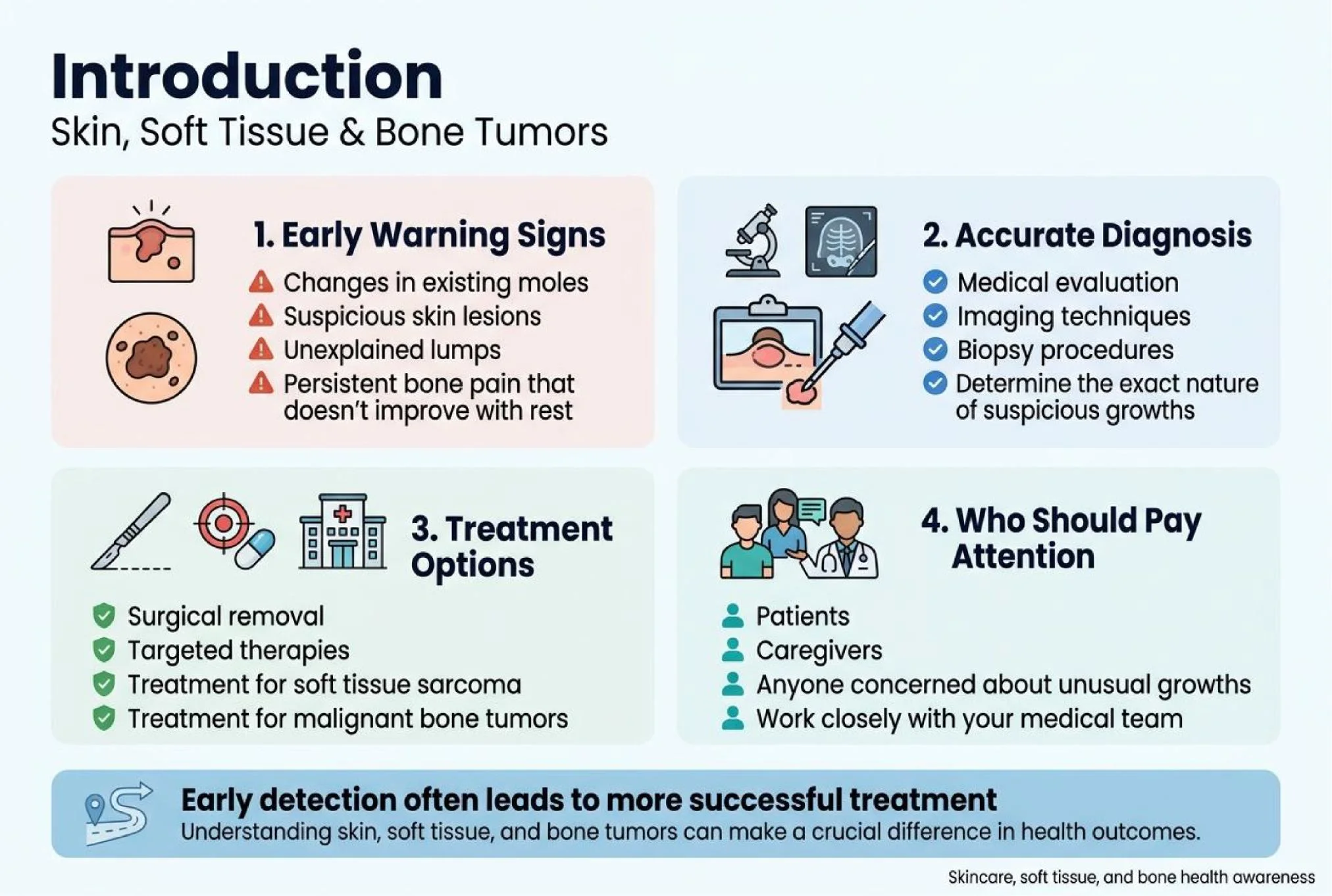
Skin, soft tissue, and bone tumours can affect people of all ages and may develop in the skin, muscles, fat, connective tissues, or bones. While many tumours are non-cancerous, some can become aggressive and spread to other parts of the body if not treated early. Timely diagnosis and proper medical care are essential for better treatment outcomes and long-term recovery.
At the clinic of Dr. Priyansh Jain, patients receive comprehensive evaluation, diagnosis, and advanced treatment for skin cancer, soft tissue sarcoma, and bone tumours with a personalized care approach.
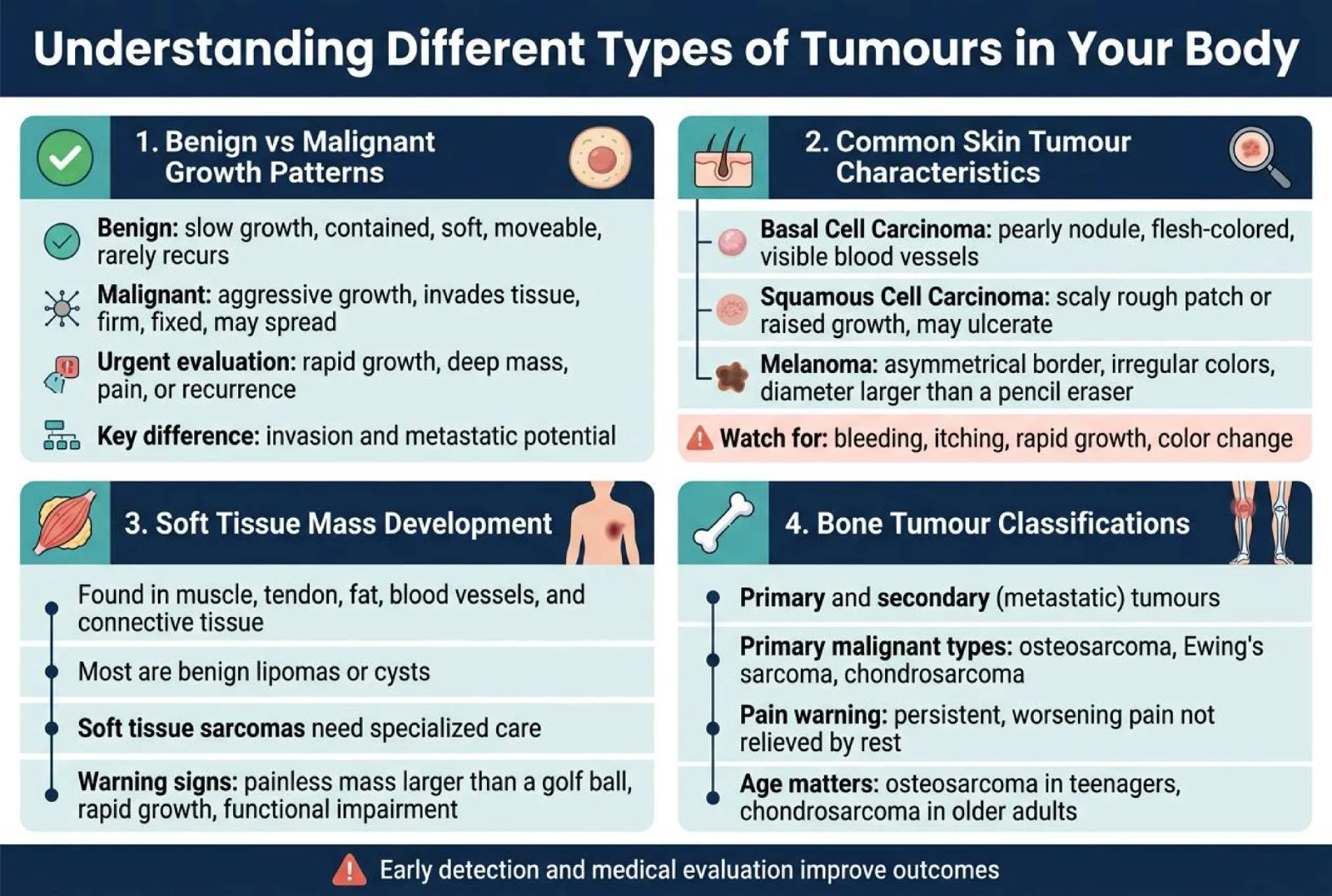
Understanding Different Types of Tumours:
Skin Tumours: Skin tumours may appear as unusual moles, non-healing ulcers, rough patches, or rapidly growing skin lesions. Common types include basal cell carcinoma, squamous cell carcinoma, and melanoma. Early detection of skin cancer significantly improves treatment success.
Soft Tissue Tumours: Soft tissue tumours develop in muscles, fat, tendons, blood vessels, and connective tissues. Most are harmless, but some may be soft tissue sarcomas, which require specialized cancer treatment. A painless lump that continues to grow should never be ignored.
Bone Tumours: Bone tumours can be benign or cancerous. Malignant bone tumours such as osteosarcoma and Ewing sarcoma often cause persistent bone pain, swelling, or fractures. Early diagnosis helps improve treatment outcomes and preserve mobility.
Common Warning Signs of Tumours
Recognizing symptoms early can help in faster diagnosis and treatment. Important warning signs include:
- New or changing skin lesions
- A lump or swelling that increases in size
- Persistent bone pain or joint pain
- Unexplained swelling in arms or legs
- Pain that worsens at night
- Difficulty in movement or weakness
- Non-healing wounds or ulcers
- Sudden fractures without major injury
Any unusual growth or persistent symptom should be evaluated by a cancer specialist.
Causes and Risk Factors
Several factors may increase the risk of skin, soft tissue, and bone tumours, including:
- Excessive sun exposure
- Smoking and tobacco use
- Family history of cancer
- Exposure to harmful chemicals or radiation
- Previous cancer treatments
- Genetic conditions
- Chronic inflammation or infections
Maintaining a healthy lifestyle and attending regular health checkups can help in early detection and prevention.
Advanced Diagnosis and Screening
Modern diagnostic tools help identify tumours accurately and determine the best treatment plan. Common investigations include:
- Physical examination
- X-rays and Ultrasound
- MRI and CT Scan
- PET Scan
- Skin examination and dermoscopy
- Biopsy for tissue diagnosis
Biopsy remains one of the most important tests to confirm whether a tumour is benign or malignant.
Treatment Options for Skin, Soft Tissue and Bone Tumours
Treatment depends on the type, size, stage, and location of the tumour. At the clinic of Dr. Priyansh Jain, patients may receive one or a combination of advanced treatment methods.
Surgery:
Surgical removal is often the primary treatment for many tumours. Modern surgical techniques help remove cancer while preserving healthy tissues and body function.
Chemotherapy:
Chemotherapy helps destroy cancer cells that may have spread beyond the primary tumour. It is frequently used in aggressive bone cancers and soft tissue sarcomas.
Radiation Therapy:
Radiation therapy uses high-energy rays to destroy cancer cells and reduce tumour growth. It is commonly used before or after surgery.
Targeted Therapy and Immunotherapy:
Advanced targeted therapies and immunotherapy treatments help attack cancer cells more precisely while reducing damage to healthy tissues.
Recovery and Rehabilitation
Recovery after tumour treatment may involve physical rehabilitation, nutritional support, pain management, and emotional counselling. Patients are encouraged to:
- Follow regular follow-up appointments
- Maintain physical activity as advised
- Eat a balanced and nutritious diet
- Report any new symptoms early
- Participate in rehabilitation programs if needed
Long-term monitoring is important to detect recurrence early and maintain overall health.
Importance of Early Detection
Early diagnosis remains one of the most effective ways to improve survival rates and treatment outcomes for skin, soft tissue, and bone tumours. Ignoring symptoms or delaying medical evaluation may allow the tumour to grow and spread.
At the clinic of Dr. Priyansh Jain, patients receive expert cancer care focused on accurate diagnosis, advanced treatment, compassionate support, and long-term wellness. Early consultation can make a major difference in successful cancer management and recovery.