
Gynaecological Cancer: Symptoms, Prevention, Screening & Treatment

Gynaecological Cancer: Early Warning Signs Every Woman Should Know
Learn the symptoms, risk factors, screening methods, prevention strategies, and treatment options for gynaecological cancer with insights from Dr Priyansh Jain.
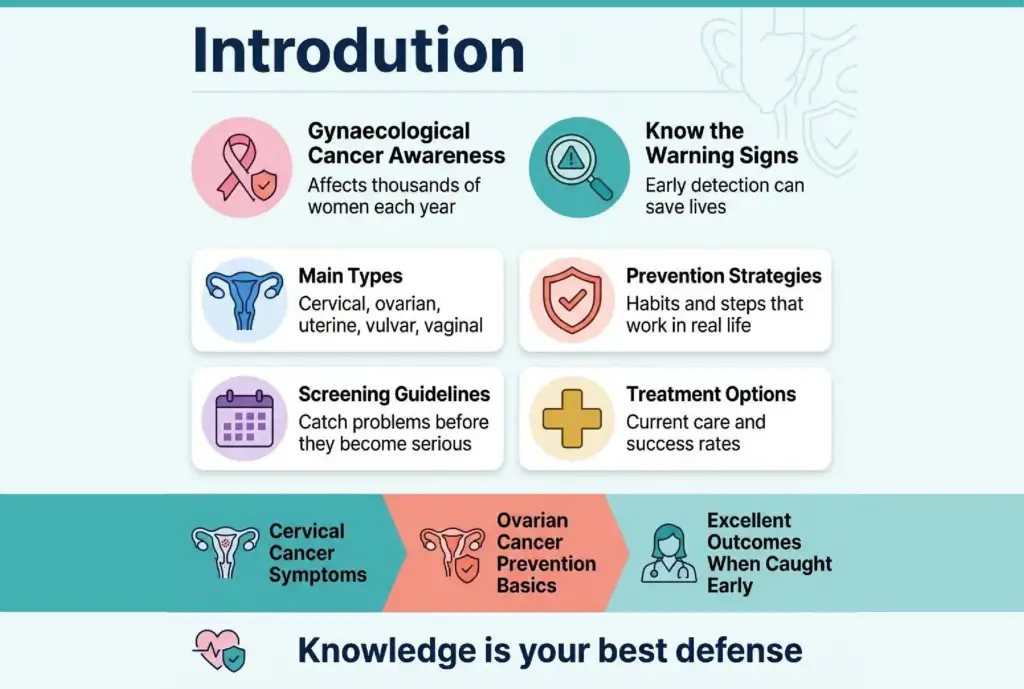
Gynaecological cancer affects thousands of women each year, yet many don’t know the warning signs or prevention steps that could save their lives. This guide is for women of all ages, their families, and anyone who wants to understand these cancers better.
Dr. Priyansh Jain from Surat sees patients every day who wish they had known more about gynecological cancer types and early detection methods. The good news? When caught early, many reproductive system cancers have excellent treatment outcomes.
We’ll walk you through the main types of gynaecological cancers you should know about, including cervical cancer symptoms and ovarian cancer prevention basics. You’ll also learn about proven prevention strategies that actually work in real life, plus current treatment options and what success rates really look like. Most importantly, we’ll cover gynecological cancer screening guidelines that could help you catch problems before they become serious.
Knowledge is your best defense against women’s cancer, and understanding these basics can make all the difference in your health journey.
Understanding Types of Gynaecological Cancers
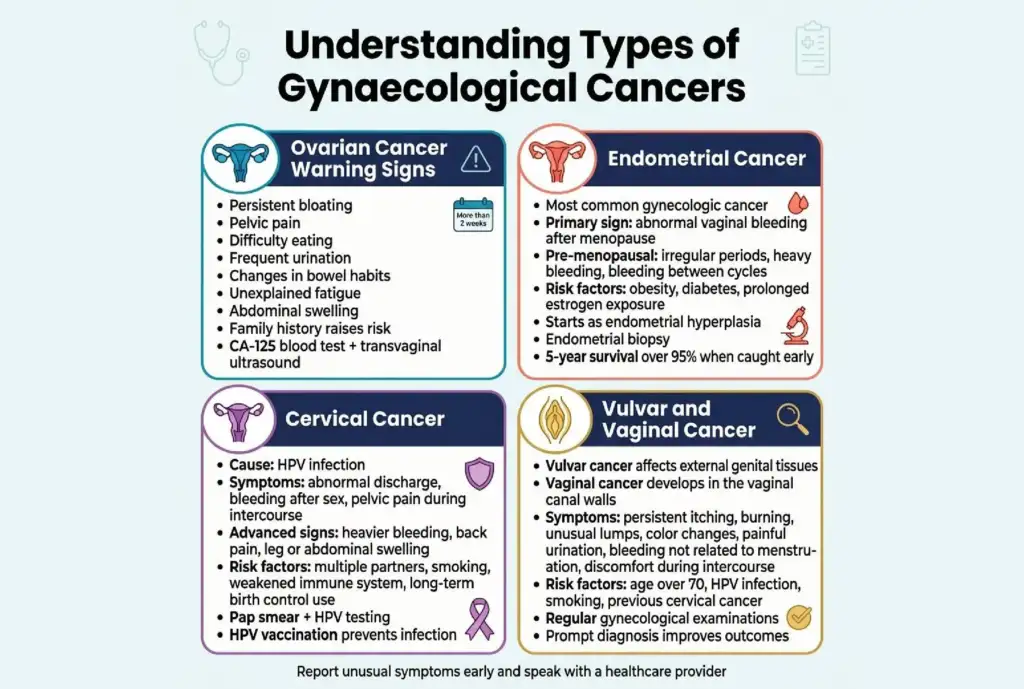
Ovarian Cancer Warning Signs You Shouldn’t Ignore
Ovarian cancer often stays silent until advanced stages, making awareness of subtle symptoms crucial. Persistent bloating, pelvic pain, difficulty eating, and frequent urination lasting more than two weeks warrant immediate medical attention. Changes in bowel habits, unexplained fatigue, and abdominal swelling shouldn’t be dismissed as normal aging or stress. Women with family history of breast, ovarian, or colorectal cancer face higher risks. The CA-125 blood test, combined with transvaginal ultrasound, helps detect abnormalities early when treatment success rates improve dramatically.
Endometrial Cancer Development and Progression
Endometrial cancer begins in the uterine lining and represents the most common gynecological cancer type. Abnormal vaginal bleeding after menopause serves as the primary warning sign, occurring in 90% of cases. Pre-menopausal women should watch for irregular periods, heavy bleeding, or bleeding between cycles. Obesity, diabetes, and prolonged estrogen exposure increase development risks significantly. The cancer typically progresses slowly, starting as endometrial hyperplasia before becoming malignant. Early-stage detection through endometrial biopsy offers excellent prognosis, with five-year survival rates exceeding 95% when caught before spreading beyond the uterus.
Cervical Cancer Symptoms and Risk Factors
Human papillomavirus (HPV) infection causes nearly all cervical cancer cases, making regular screening essential for early detection gynecological cancer prevention. Initial symptoms include abnormal vaginal discharge, bleeding after intercourse, and pelvic pain during sexual activity. Advanced stages bring heavier bleeding, back pain, and swelling in legs or abdomen. Multiple sexual partners, smoking, weakened immune systems, and long-term birth control use elevate risk factors. Pap smears and HPV testing detect precancerous changes years before cancer develops. HPV vaccination prevents infection from high-risk strains, dramatically reducing cervical cancer incidence in vaccinated populations.
Vulvar and Vaginal Cancer Recognition
Vulvar cancer affects external genital tissues, while vaginal cancer develops within the vaginal canal walls. Both cancers present similar symptoms including persistent itching, burning sensations, unusual lumps, or color changes in vulvar skin. Painful urination, bleeding not related to menstruation, and discomfort during intercourse signal potential problems requiring immediate evaluation. Age over 70, HPV infection, smoking, and previous cervical cancer increase susceptibility. Regular gynecological examinations help identify suspicious lesions early. Treatment outcomes improve significantly with prompt diagnosis, emphasizing the importance of reporting any unusual symptoms to healthcare providers specializing in gynecological oncology.
Early Detection Saves Lives
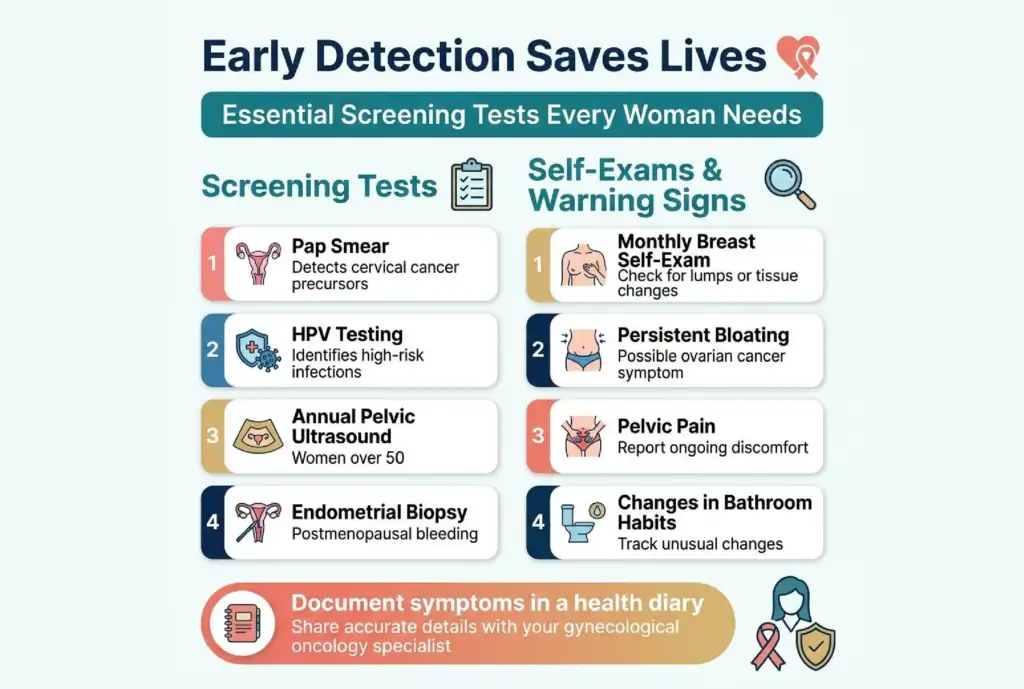
Essential Screening Tests Every Woman Needs
Regular gynecological cancer screening dramatically increases survival rates through early detection. Pap smears detect cervical cancer precursors, while HPV testing identifies high-risk infections. Women over 50 should undergo annual pelvic ultrasounds for ovarian cancer screening. Endometrial biopsies help diagnose uterine cancer in postmenopausal women experiencing unusual bleeding.
Self-Examination Techniques for Early Warning Signs
Monthly breast self-exams help identify lumps or changes in breast tissue. Watch for persistent abdominal bloating, pelvic pain, or changes in bathroom habits – common ovarian cancer symptoms. Report unusual vaginal bleeding, especially between periods or after menopause, to your gynecological oncology specialist immediately. Document symptoms in a health diary for accurate medical consultations.
Prevention Strategies That Actually Work
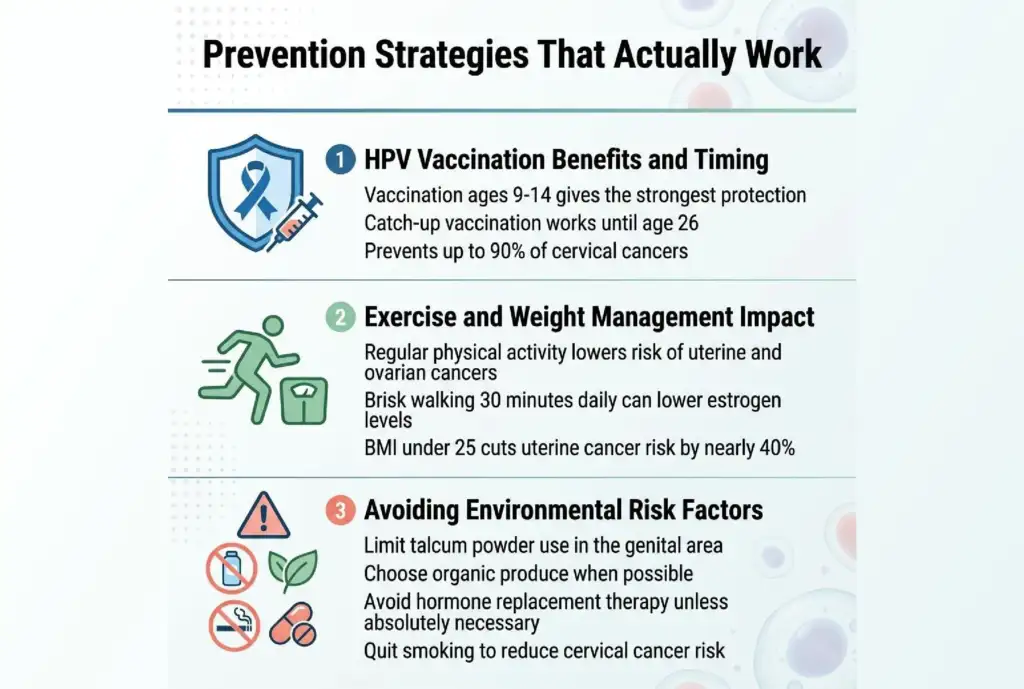
HPV Vaccination Benefits and Timing
The HPV vaccine stands as one of the most effective weapons against cervical cancer and other gynecological cancer types. Getting vaccinated between ages 9-14 provides the strongest protection, though catch-up vaccination works until age 26. The vaccine prevents up to 90% of cervical cancers by targeting high-risk HPV strains that cause most reproductive system cancers.
Exercise and Weight Management Impact
Regular physical activity and maintaining a healthy weight significantly reduce your risk of developing uterine and ovarian cancers. Even moderate exercise like brisk walking for 30 minutes daily can lower estrogen levels that fuel certain gynecological cancers. Keeping your BMI under 25 cuts uterine cancer risk by nearly 40%, making weight management a powerful prevention strategy.
Avoiding Environmental Risk Factors
Several environmental factors increase gynecological cancer risk that you can actively avoid. Limit talcum powder use in the genital area, as studies link it to ovarian cancer. Choose organic produce when possible to reduce pesticide exposure, and avoid hormone replacement therapy unless absolutely necessary. Smoking dramatically increases cervical cancer risk, so quitting provides immediate protective benefits for your reproductive health.
Treatment Options and Success Rates
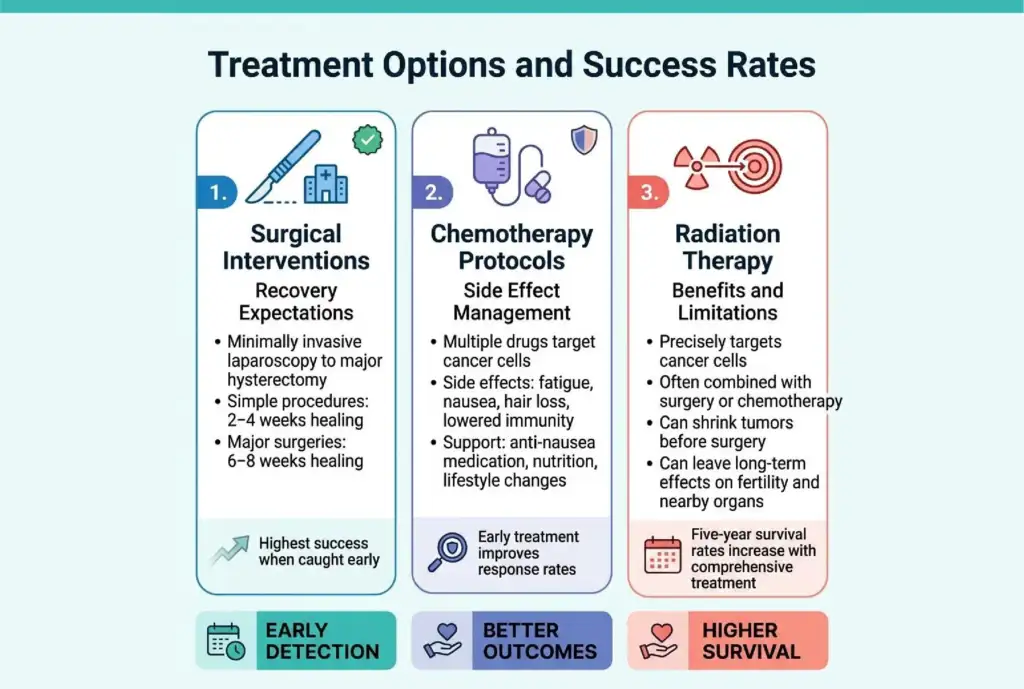
Surgical Interventions and Recovery Expectations
Gynecological cancer surgery ranges from minimally invasive laparoscopic procedures to extensive hysterectomies, depending on cancer stage and location. Recovery times vary significantly – simple procedures may require 2-4 weeks healing, while major surgeries need 6-8 weeks. Success rates are highest when cancer is caught early, with many patients experiencing complete recovery and normal quality of life post-surgery.
Chemotherapy Protocols and Side Effect Management
Modern chemotherapy protocols for gynaecological cancer combine multiple drugs targeting cancer cells while protecting healthy tissue. Common side effects include fatigue, nausea, hair loss, and lowered immunity. Oncologists work closely with patients to manage symptoms through anti-nausea medications, nutritional support, and lifestyle modifications. Response rates improve dramatically when treatment begins early, making regular screening essential for better outcomes.
Radiation Therapy Benefits and Limitations
Radiation therapy precisely targets cancer cells while minimizing damage to surrounding organs. This treatment works exceptionally well for cervical and uterine cancers, often combined with surgery or chemotherapy. Benefits include shrinking tumors before surgery and eliminating remaining cancer cells afterward. Limitations include potential long-term effects on fertility and nearby organs. Five-year survival rates increase significantly when radiation is part of comprehensive treatment plans.
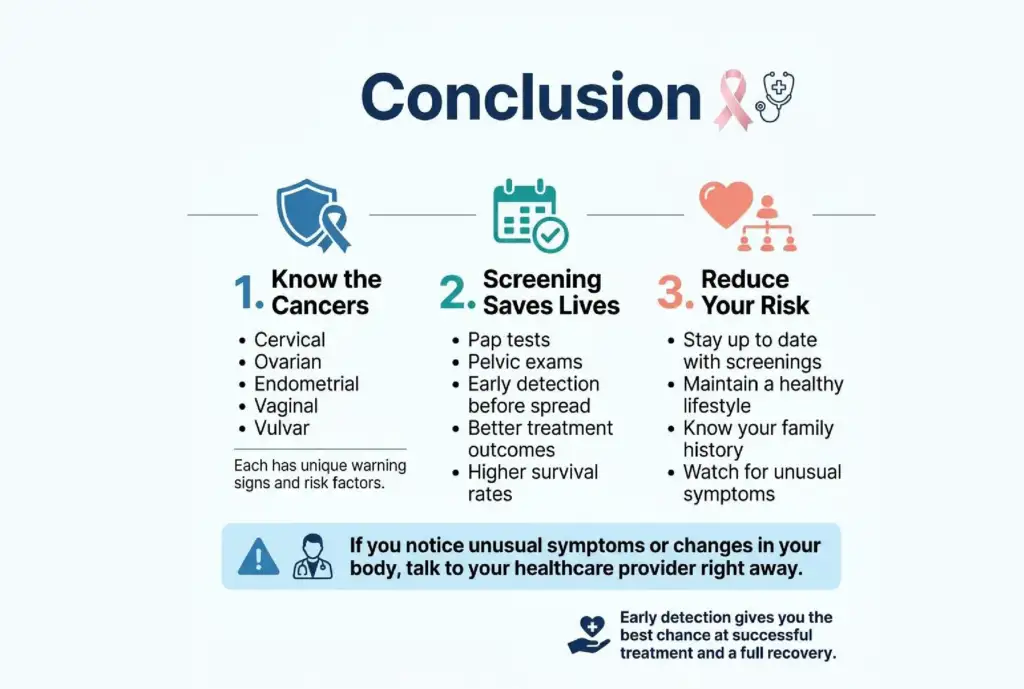
Gynaecological cancers affect thousands of women every year, but knowledge and early action can make all the difference. The most common types – cervical, ovarian, endometrial, vaginal, and vulvar cancers – each have their own warning signs and risk factors. Regular screenings like Pap tests and pelvic exams catch many of these cancers before they spread, dramatically improving treatment outcomes and survival rates.
Taking charge of your health doesn’t have to be overwhelming. Simple steps like staying up to date with screenings, maintaining a healthy lifestyle, and knowing your family history can significantly reduce your risk. If you notice any unusual symptoms or changes in your body, don’t wait – talk to your healthcare provider right away. With today’s advanced treatment options and growing awareness, early detection gives you the best chance at successful treatment and a full recovery.
Also read,
Dr Priyansh Jain
Surgical Oncologist (Oncosurgeon)
Naman Cancer Clinic & Research Centre, Surat
Also read: Advanced Oncoplastic Breast Surgery with LICAP & LTAP Flaps
Also read: Breast Conservation Surgery with MICAP Flap Reconstruction for Breast Cancer