
HIPEC Treatment: Procedure, Benefits, Recovery & Patient Guide

HIPEC Treatment: How It Works and Who Can Benefit
Learn everything about HIPEC Treatment, including the procedure, eligibility, benefits, recovery, risks, and advanced cancer care by Dr Priyansh Jain.
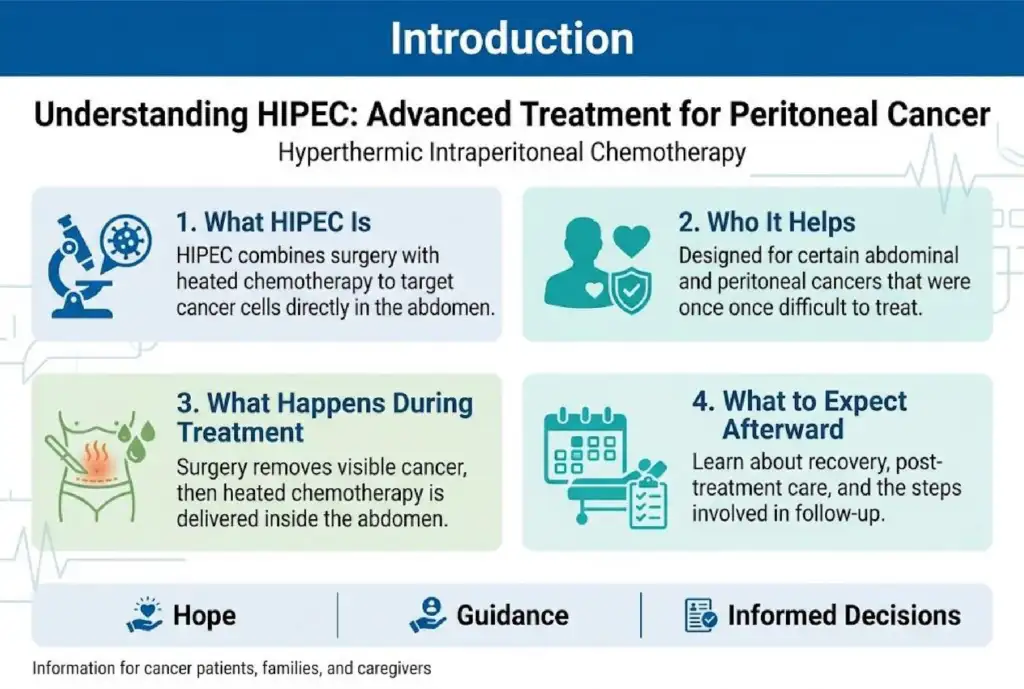
Understanding HIPEC: Advanced Treatment for Peritoneal Cancer
HIPEC treatment offers hope for patients facing certain types of abdominal and peritoneal cancers that were once considered difficult to treat. This specialized procedure, known as hyperthermic intraperitoneal chemotherapy, combines surgery with heated chemotherapy to target cancer cells directly in the abdomen.
This comprehensive guide is designed for cancer patients, their families, and anyone seeking to understand this innovative treatment option. Dr Priyansh Jain in Surat has helped numerous patients navigate this complex procedure, and this information will help you make informed decisions about your care.
We’ll explore the medical benefits of HIPEC therapy and help you understand if you might be a candidate for this treatment. You’ll also learn what to expect during the HIPEC procedure itself and get practical guidance on recovery and post-treatment care management. Whether you’re just learning about HIPEC surgery or preparing for the procedure, this guide covers the essential information you need to know.
Understanding HIPEC Treatment and Its Medical Benefits
What HIPEC therapy involves and how it works
HIPEC treatment combines heated chemotherapy drugs delivered directly into the abdominal cavity during surgery. After surgeons remove visible tumors through cytoreductive surgery, they circulate heated chemotherapy at precisely controlled temperatures between 104-108°F throughout the peritoneal space. This hyperthermic intraperitoneal chemotherapy approach allows concentrated drug exposure to microscopic cancer cells while minimizing systemic toxicity. The heat enhances drug penetration and increases cancer cell sensitivity to treatment.
Key differences between HIPEC and traditional chemotherapy
| Aspect | HIPEC Treatment | Traditional Chemotherapy |
| Delivery Method | Direct intraperitoneal administration | Intravenous systemic delivery |
| Temperature | Heated to 104-108°F | Room temperature |
| Drug Concentration | High localized doses | Lower systemic concentrations |
| Side Effects | Reduced systemic toxicity | Widespread bodily effects |
| Treatment Duration | Single 90-minute session | Multiple cycles over months |
| Surgical Component | Combined with cytoreductive surgery | Standalone medical treatment |
Traditional chemotherapy travels through the bloodstream, affecting the entire body and causing significant side effects. HIPEC procedure delivers medication directly to the affected area, creating higher drug concentrations where needed most while protecting healthy organs from unnecessary exposure.
Medical conditions effectively treated with HIPEC
HIPEC therapy shows exceptional results for peritoneal cancer treatment, particularly:
- Peritoneal mesothelioma – Aggressive cancer affecting abdominal lining
- Appendiceal cancers with peritoneal spread
- Ovarian cancer with peritoneal involvement
- Colorectal cancer that has spread to the peritoneum
- Gastric cancer with peritoneal metastases
- Primary peritoneal carcinomatosis
- Pseudomyxoma peritonei – Rare appendiceal condition
The HIPEC surgery approach works best for cancers confined to the peritoneal cavity without distant organ involvement. Research demonstrates improved survival rates and quality of life for carefully selected patients with these challenging conditions when treated at specialized centers.
Identifying Ideal Candidates for HIPEC Therapy
Specific cancer types that respond best to treatment
HIPEC therapy shows remarkable effectiveness for peritoneal surface malignancies, particularly colorectal cancer with peritoneal metastases, pseudomyxoma peritonei, and primary peritoneal cancers. Ovarian cancer patients often benefit significantly from cytoreductive surgery HIPEC combinations. Gastric cancer with limited peritoneal spread also responds well to this targeted approach.
Patient health requirements and eligibility criteria
HIPEC candidates must demonstrate adequate cardiac, pulmonary, and renal function to withstand the intensive procedure. Patients should have good performance status with minimal comorbidities. Age considerations vary, but overall health trumps chronological age. Complete blood counts, liver function tests, and comprehensive metabolic panels help determine surgical fitness for this demanding treatment protocol.
Timing considerations for optimal treatment outcomes
Early intervention provides the best outcomes when peritoneal disease burden remains manageable. HIPEC treatment works most effectively before extensive adhesions develop or when cancer spread stays limited to the abdominal cavity. Previous chemotherapy response patterns help predict success rates. Coordination between oncology teams ensures patients receive HIPEC therapy at the most advantageous point in their treatment journey.
Preparing for Your HIPEC Procedure
Essential pre-treatment evaluations and tests
Your medical team will run comprehensive blood work, imaging scans, and cardiac function tests before your HIPEC procedure. These evaluations help determine your body’s readiness for cytoreductive surgery HIPEC and identify any potential complications. Expect CT scans, PET scans, and pulmonary function tests to assess your overall health status and treatment eligibility.
Physical and mental preparation strategies
Building physical strength through light exercise and proper nutrition significantly improves your HIPEC recovery outcomes. Work with a nutritionist to optimize your protein intake and maintain a healthy weight. Mental preparation includes discussing concerns with your healthcare team, connecting with support groups, and practicing relaxation techniques to manage pre-surgery anxiety effectively.
Understanding the surgical team and facility requirements
HIPEC treatment requires a specialized multidisciplinary team including surgical oncologists, anesthesiologists, and perfusion specialists. Choose a facility with extensive experience in peritoneal cancer treatment and advanced monitoring equipment. The surgical team should have performed numerous HIPEC procedures and maintain board certifications in their respective specialties for optimal patient outcomes.
Managing expectations and setting realistic goals
HIPEC therapy benefits vary significantly based on cancer type, stage, and individual patient factors. Discuss realistic recovery timelines, potential complications, and long-term prognosis with your surgeon. Set achievable milestones for your healing journey, understanding that HIPEC recovery typically involves several weeks of gradual improvement and ongoing follow-up care management.
The HIPEC Treatment Process Explained
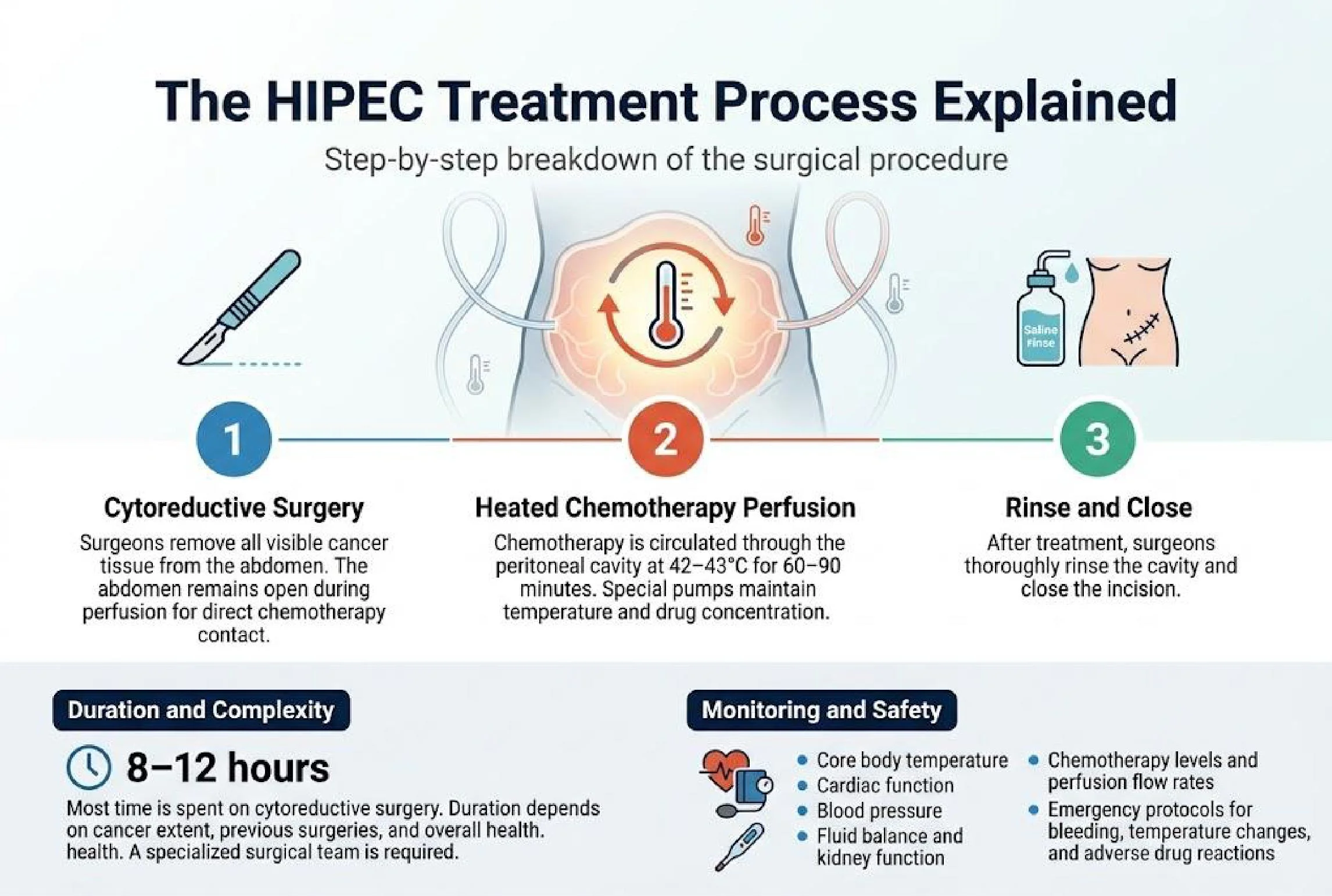
Step-by-step breakdown of the surgical procedure
The HIPEC procedure begins with cytoreductive surgery, where surgeons remove all visible cancer tissue from the abdomen. Once complete debulking is achieved, heated chemotherapy solution (typically at 42-43°C) is circulated throughout the peritoneal cavity for 60-90 minutes. Special pumps maintain precise temperature and drug concentration while surgeons gently manipulate organs to ensure complete coverage. The abdomen remains open during this perfusion phase, allowing direct contact between the chemotherapy and any microscopic cancer cells. After treatment, surgeons thoroughly rinse the cavity and close the incision.
Duration and complexity of the treatment session
HIPEC surgery typically lasts 8-12 hours, making it one of the most complex oncological procedures available. The cytoreductive surgery phase accounts for most of this time, as surgeons meticulously remove cancer from multiple organs and peritoneal surfaces. Patient factors like cancer extent, previous surgeries, and overall health significantly impact duration. The heated chemotherapy perfusion itself takes 60-90 minutes, but preparation and monitoring add considerable time. This intensive procedure requires a specialized surgical team experienced in both complex abdominal surgery and HIPEC therapy protocols.
Monitoring and safety protocols during surgery
Continuous monitoring during HIPEC surgery includes core body temperature, cardiac function, and blood pressure to prevent hyperthermia-related complications. Anesthesiologists closely track fluid balance since heated chemotherapy can affect kidney function and blood circulation. Temperature probes placed in multiple abdominal locations ensure uniform heating throughout the peritoneal cavity. The surgical team monitors chemotherapy levels and adjusts perfusion flow rates as needed. Emergency protocols remain in place for potential complications like excessive bleeding, temperature fluctuations, or adverse drug reactions during the procedure.
Recovery and Post-Treatment Care Management
Immediate post-surgery recovery expectations
HIPEC recovery begins with a hospital stay lasting 7-14 days, depending on your individual healing progress. You’ll start with clear liquids before gradually returning to solid foods as your digestive system recovers. Pain management combines medications with breathing exercises and gentle movement. Most patients experience some fatigue and discomfort, which is completely normal after this intensive procedure.
Long-term follow-up care and monitoring schedule
Your follow-up schedule includes appointments every 3 months for the first year, then every 6 months. Blood tests check tumor markers and organ function, while CT scans monitor for any cancer recurrence. These regular check-ups with Dr Priyansh Jain in Surat ensure early detection of any changes and help adjust your care plan as needed.
Managing potential side effects and complications
Common side effects include temporary digestive issues, fatigue, and mild skin changes. Watch for signs of infection like fever, unusual pain, or drainage from incision sites. Some patients experience peripheral neuropathy or hearing changes from the chemotherapy. Report any concerning symptoms immediately to your medical team for prompt evaluation and treatment.
Lifestyle modifications for enhanced healing
Focus on a balanced diet rich in protein to support tissue repair and immune function. Start with gentle walks and gradually increase activity as cleared by your surgeon. Avoid heavy lifting for 6-8 weeks post-HIPEC surgery. Stay hydrated, get adequate sleep, and consider stress-reduction techniques like meditation or gentle yoga to optimize your body’s healing capacity.
Building your support network during recovery
Connect with other HIPEC patients through support groups or online communities who understand your journey. Family and friends play a vital role in providing emotional support and practical help with daily tasks. Consider professional counseling if you’re struggling with anxiety or depression. Your healthcare team remains your primary resource for medical concerns throughout HIPEC recovery.
HIPEC therapy offers cancer patients a powerful treatment option that combines surgery with heated chemotherapy to target hard-to-reach cancer cells. This specialized procedure has shown promising results for patients with certain abdominal cancers, giving new hope to those who might have limited treatment options. The key to success lies in proper patient selection, thorough preparation, and understanding what to expect during the treatment process.
If you or a loved one is facing a cancer diagnosis that might benefit from HIPEC, talk to your oncologist about whether this treatment could be right for your situation. Remember that recovery takes time and patience, but with the right medical team and support system, many patients go on to live fuller, healthier lives after HIPEC treatment. Stay informed, ask questions, and work closely with your healthcare providers to make the best decisions for your care.
Also read,
Dr Priyansh Jain
Surgical Oncologist (Oncosurgeon)
Naman Cancer Clinic & Research Centre, Surat
Also read: Advanced Oncoplastic Breast Surgery with LICAP & LTAP Flaps
Also read: Breast Conservation Surgery with MICAP Flap Reconstruction for Breast Cancer