Thyroid Cancer: Symptoms, Causes, Diagnosis & Treatment Guide

Thyroid Cancer Symptoms You Should Never Ignore
Early detection of Thyroid Cancer improves treatment success. Learn its symptoms, diagnosis, surgery, and recovery from Dr Priyansh Jain.
Head and Neck Cancer
Thyroid Cancer is one of the most treatable cancers when diagnosed early. If you notice a lump in your neck, persistent hoarseness, difficulty swallowing, or unexplained swelling, don’t ignore these symptoms. This comprehensive guide explains the causes, symptoms, diagnosis, treatment options, thyroid surgery, recovery, and prevention of Thyroid Cancer with expert insights from Dr Priyansh Jain, helping patients make informed healthcare decisions.
Head and neck cancers include cancers of the oral cavity, throat, voice box (larynx), thyroid gland, and salivary glands such as the parotid gland. Common symptoms may include a neck swelling, voice change, difficulty swallowing, mouth ulcers, or persistent throat pain. Early diagnosis and timely treatment can lead to excellent outcomes. Treatment options may include surgery, radiation therapy, chemotherapy, or targeted therapy depending on the type and stage of cancer. Here we discuss in detail about thyroid, parotid and larynx cancer.
Thyroid Cancer
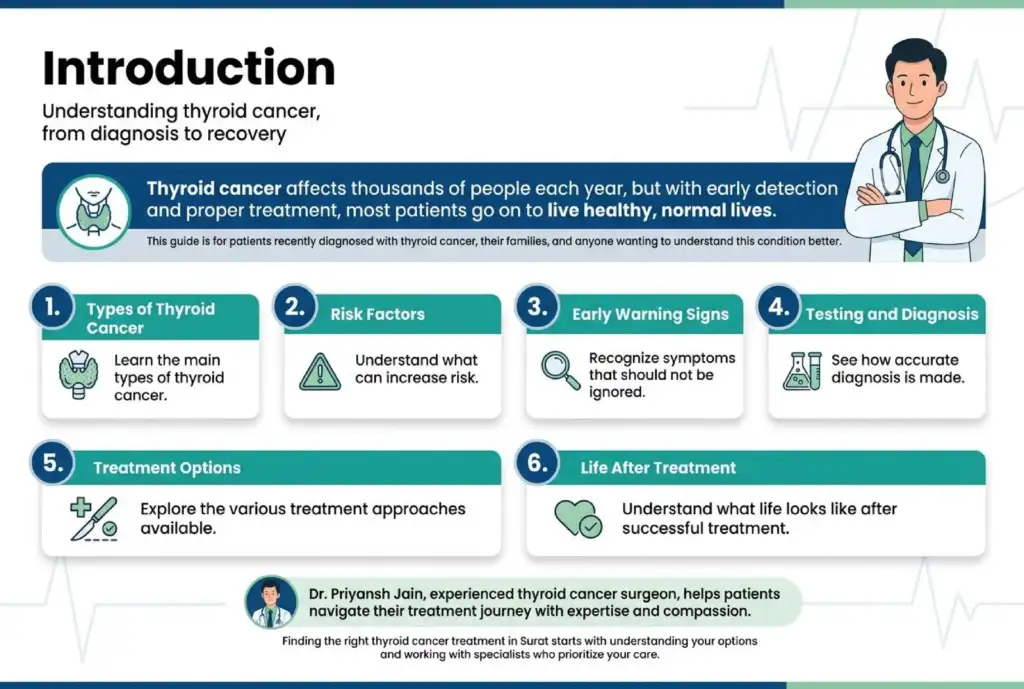
Thyroid cancer affects thousands of people each year, but with early detection and proper treatment, most patients go on to live healthy, normal lives. This guide is for patients recently diagnosed with thyroid cancer, their families, and anyone wanting to understand this condition better.
Dr. Priyansh Jain, an experienced thyroid cancer surgeon, helps patients navigate their treatment journey with expertise and compassion. Finding the right thyroid cancer treatment in Surat starts with understanding your options and working with specialists who prioritize your care.
We’ll walk you through the different types of thyroid cancer and what puts someone at risk, help you recognize the early warning signs that shouldn’t be ignored, and explain the testing process that leads to an accurate diagnosis. You’ll also learn about the various treatment approaches available and what life looks like after successful thyroid cancer treatment.
Understanding Thyroid Cancer Types and Risk Factors
Recognize the Four Main Types of Thyroid Cancer
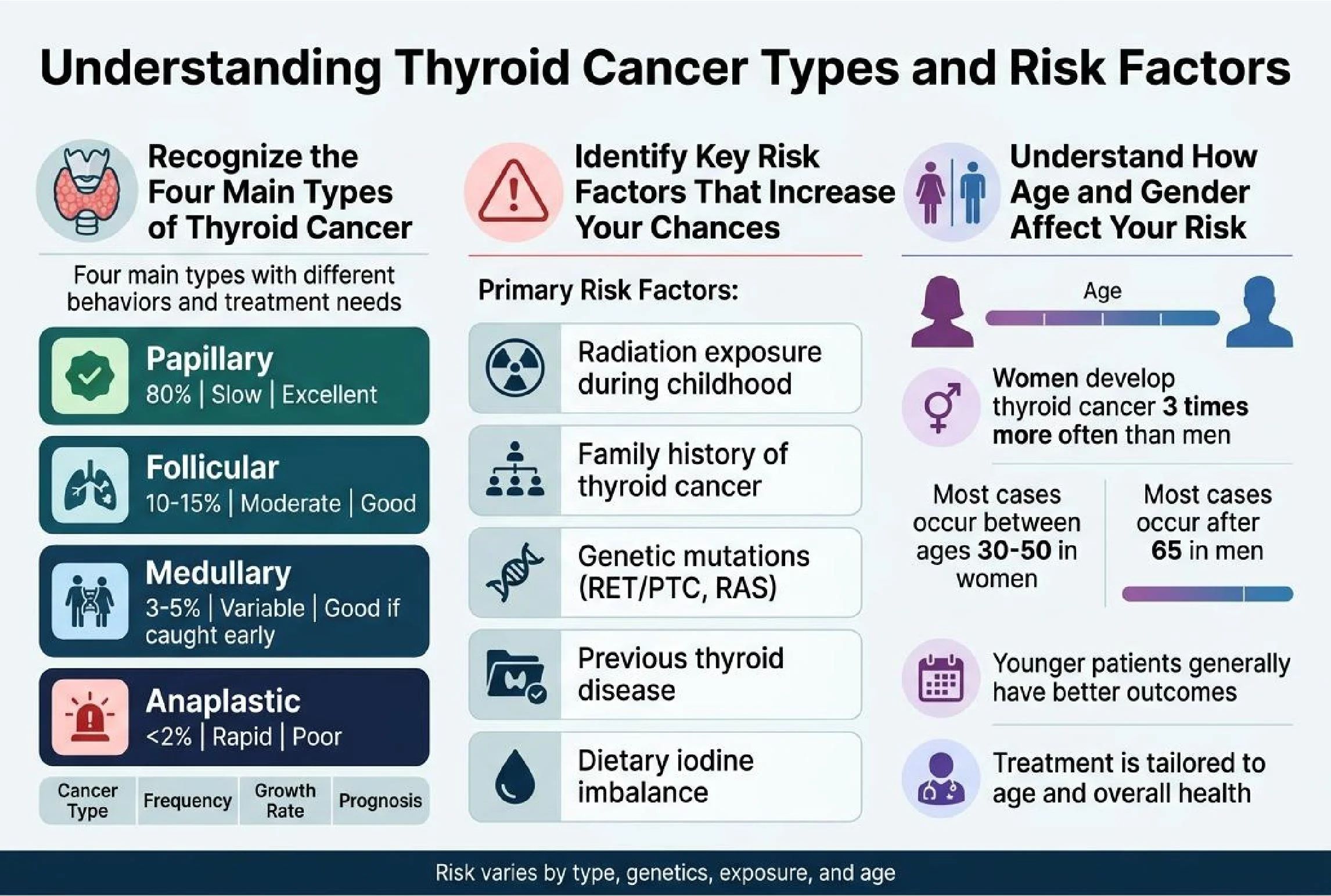
Thyroid cancer comes in four main types, each with different behaviors and treatment needs. Papillary thyroid cancer makes up about 80% of cases and grows slowly, typically staying within the thyroid gland. Follicular cancer accounts for 10-15% of cases and can spread to bones and lungs. Medullary thyroid cancer develops from C-cells that produce calcitonin and may run in families. Anaplastic thyroid cancer is the rarest but most aggressive form, requiring immediate attention from a qualified thyroid cancer surgeon.
| Cancer Type | Frequency | Growth Rate | Prognosis |
| Papillary | 80% | Slow | Excellent |
| Follicular | 10-15% | Moderate | Good |
| Medullary | 3-5% | Variable | Good if caught early |
| Anaplastic | <2% | Rapid | Poor |
Identify Key Risk Factors That Increase Your Chances
Several factors can increase your risk of developing thyroid cancer. Previous radiation exposure to the head and neck area during childhood significantly raises your chances. Family history of thyroid cancer or genetic syndromes like familial adenomatous polyposis also play important roles. Iodine intake levels, whether too high or too low, can affect risk. Certain benign thyroid conditions like goiter or nodules may increase cancer likelihood.
Primary Risk Factors:
- Radiation exposure during childhood
- Family history of thyroid cancer
- Genetic mutations (RET/PTC, RAS)
- Previous thyroid disease
- Dietary iodine imbalance
Understand How Age and Gender Affect Your Risk
Women develop thyroid cancer three times more often than men, likely due to hormonal influences including estrogen levels. The disease can strike at any age, but most cases occur between ages 30-50 in women and after 65 in men. Pregnancy and reproductive history may influence risk in women. Dr Priyansh Jain and other specialists note that younger patients generally have better outcomes, even when cancer spreads to lymph nodes. Age affects treatment decisions, with thyroid cancer treatment in Surat and other locations often tailored to patient age and overall health status.
Spotting Early Warning Signs and Symptoms
Detect Lumps and Swelling in Your Neck Area
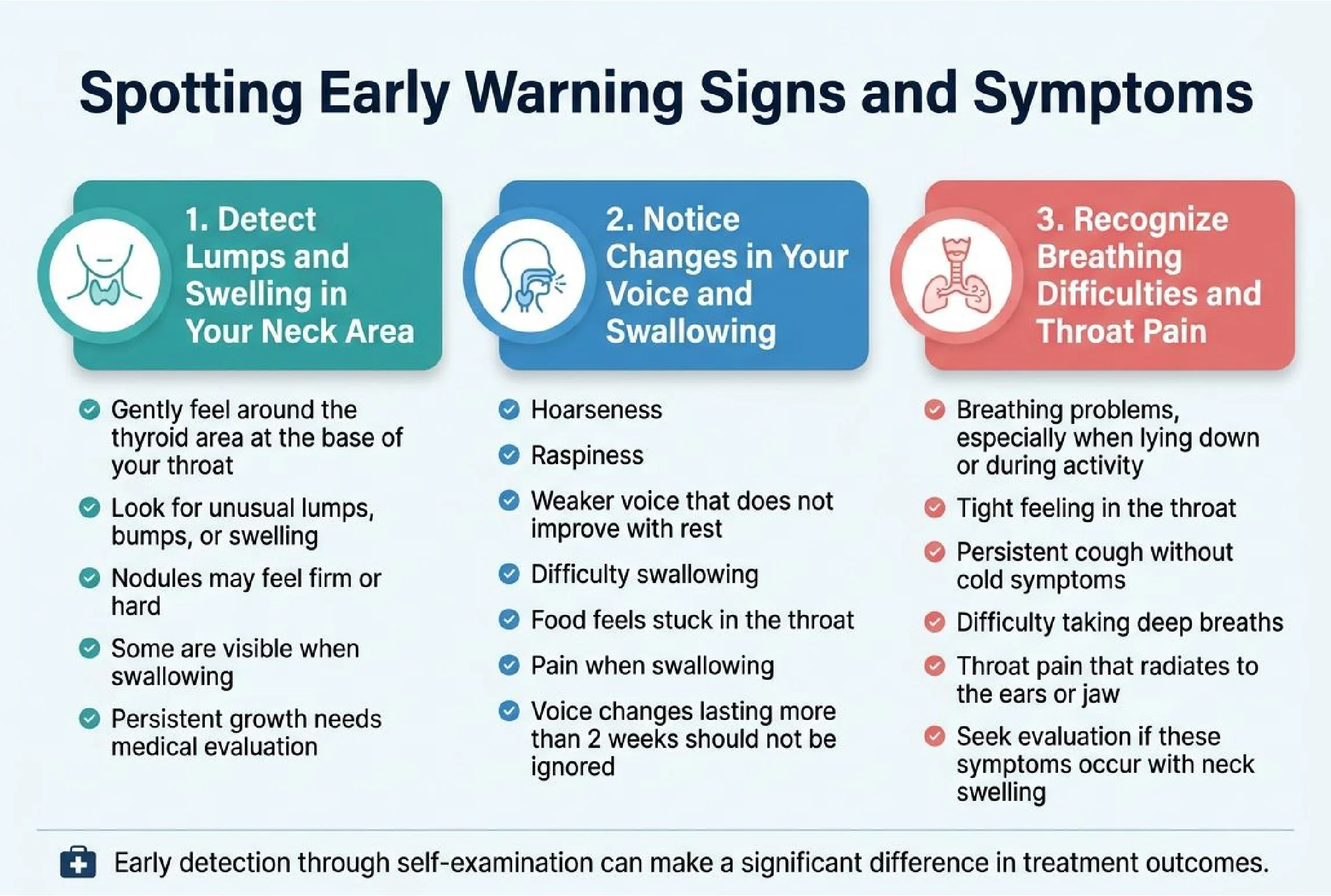
Check your neck regularly by gently feeling around the thyroid area at the base of your throat. Look for any unusual lumps, bumps, or swelling that wasn’t there before. These nodules might feel firm or hard to the touch and can sometimes be visible when swallowing. While most thyroid nodules are benign, any persistent growth warrants medical evaluation. Dr Priyansh Jain emphasizes that early detection through self-examination can make a significant difference in treatment outcomes.
Notice Changes in Your Voice and Swallowing
Thyroid tumors can press against nearby structures, causing noticeable voice changes like hoarseness, raspiness, or a weaker voice that doesn’t improve with rest. You might also experience difficulty swallowing, feeling like food gets stuck in your throat, or pain when swallowing. These symptoms occur because the thyroid sits close to the vocal cords and esophagus. Don’t ignore persistent voice changes lasting more than two weeks, especially if accompanied by other symptoms.
Recognize Breathing Difficulties and Throat Pain
Large thyroid masses can compress the windpipe, leading to breathing problems, especially when lying down or during physical activity. You might notice a tight feeling in your throat, persistent cough without cold symptoms, or difficulty taking deep breaths. Some people experience throat pain that radiates to their ears or jaw. If you’re experiencing these respiratory symptoms alongside neck swelling, seeking evaluation from a thyroid cancer surgeon becomes important for proper diagnosis and potential thyroid cancer treatment in Surat.
Getting Accurate Diagnosis and Medical Testing
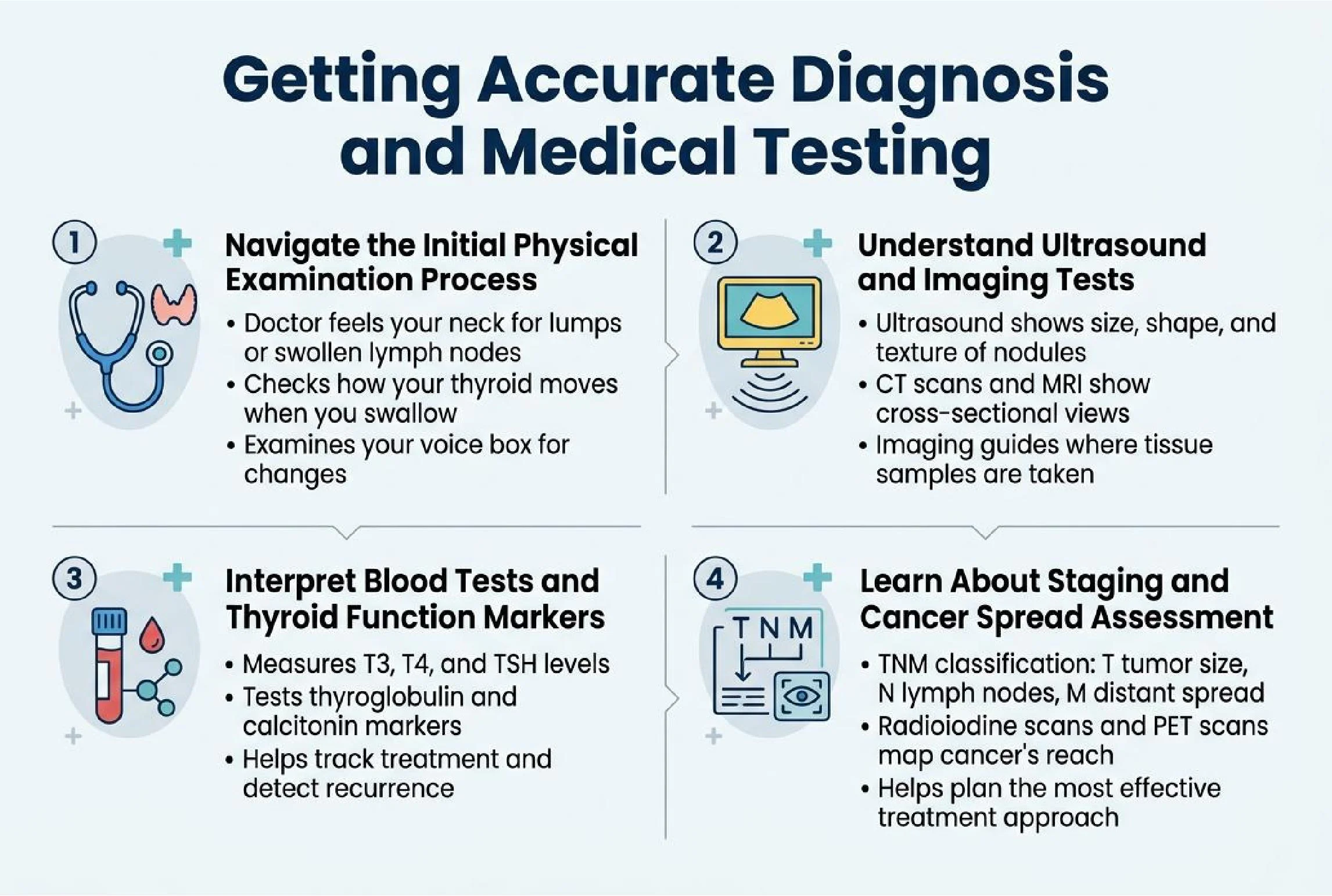
Navigate the Initial Physical Examination Process
Your doctor will start by feeling your neck for lumps, swollen lymph nodes, or unusual growths. They’ll check how your thyroid moves when you swallow and examine your voice box for any changes. This hands-on approach helps identify suspicious areas that need further testing.
Understand Ultrasound and Imaging Tests
Ultrasound creates detailed pictures of your thyroid using sound waves, showing the size, shape, and texture of any nodules. CT scans and MRI provide cross-sectional views to see if cancer has spread to nearby tissues. These imaging tests guide doctors on where to take tissue samples for accurate diagnosis.
Interpret Blood Tests and Thyroid Function Markers
Blood work measures thyroid hormones (T3, T4) and thyroid-stimulating hormone (TSH) levels to check how well your thyroid functions. Doctors also test for thyroglobulin and calcitonin markers, which can indicate specific types of thyroid cancer. These markers help track treatment progress and detect cancer recurrence.
Learn About Staging and Cancer Spread Assessment
Cancer staging determines how far the disease has spread throughout your body. Doctors use TNM classification – examining tumor size (T), nearby lymph nodes (N), and distant spread (M). Additional tests like radioiodine scans and PET scans help map cancer’s reach, allowing your thyroid cancer surgeon to plan the most effective treatment approach for your specific situation.
Exploring Treatment Options and Medical Approaches
Evaluate Surgical Removal Procedures
Surgery remains the primary treatment for most thyroid cancers, with skilled thyroid cancer surgeons performing various procedures based on tumor size and spread. A thyroidectomy removes part or all of the thyroid gland, while lymph node dissection addresses cancer spread to nearby tissues. Recovery typically takes several weeks, with most patients experiencing excellent outcomes when treated by experienced specialists.
Consider Radioactive Iodine Therapy Benefits
Radioactive iodine therapy (RAI) targets remaining thyroid cells after surgery, using the thyroid’s natural iodine absorption to deliver targeted radiation. This outpatient treatment effectively destroys microscopic cancer cells that surgery might miss. Patients follow a low-iodine diet beforehand and temporarily avoid close contact with others during the treatment period. RAI significantly reduces cancer recurrence rates for many thyroid cancer types.
Understand Thyroid Hormone Replacement Therapy
Following thyroid surgery, patients require lifelong thyroid hormone replacement to maintain normal metabolism and suppress cancer growth. Levothyroxine tablets replace natural thyroid hormones while potentially inhibiting any remaining cancer cells through TSH suppression. Regular blood tests help doctors adjust dosages for optimal hormone levels. This daily medication allows patients to maintain normal energy levels and bodily functions after thyroid removal.
Learn About Advanced Treatment for Aggressive Cases
Aggressive or recurrent thyroid cancers may require targeted therapy drugs that block specific cancer growth pathways. External beam radiation therapy helps control tumors that don’t respond to radioactive iodine. Chemotherapy becomes necessary for advanced cases, though it’s less commonly used than other treatments. Clinical trials offer access to cutting-edge therapies for patients with challenging cases, providing hope for improved outcomes.
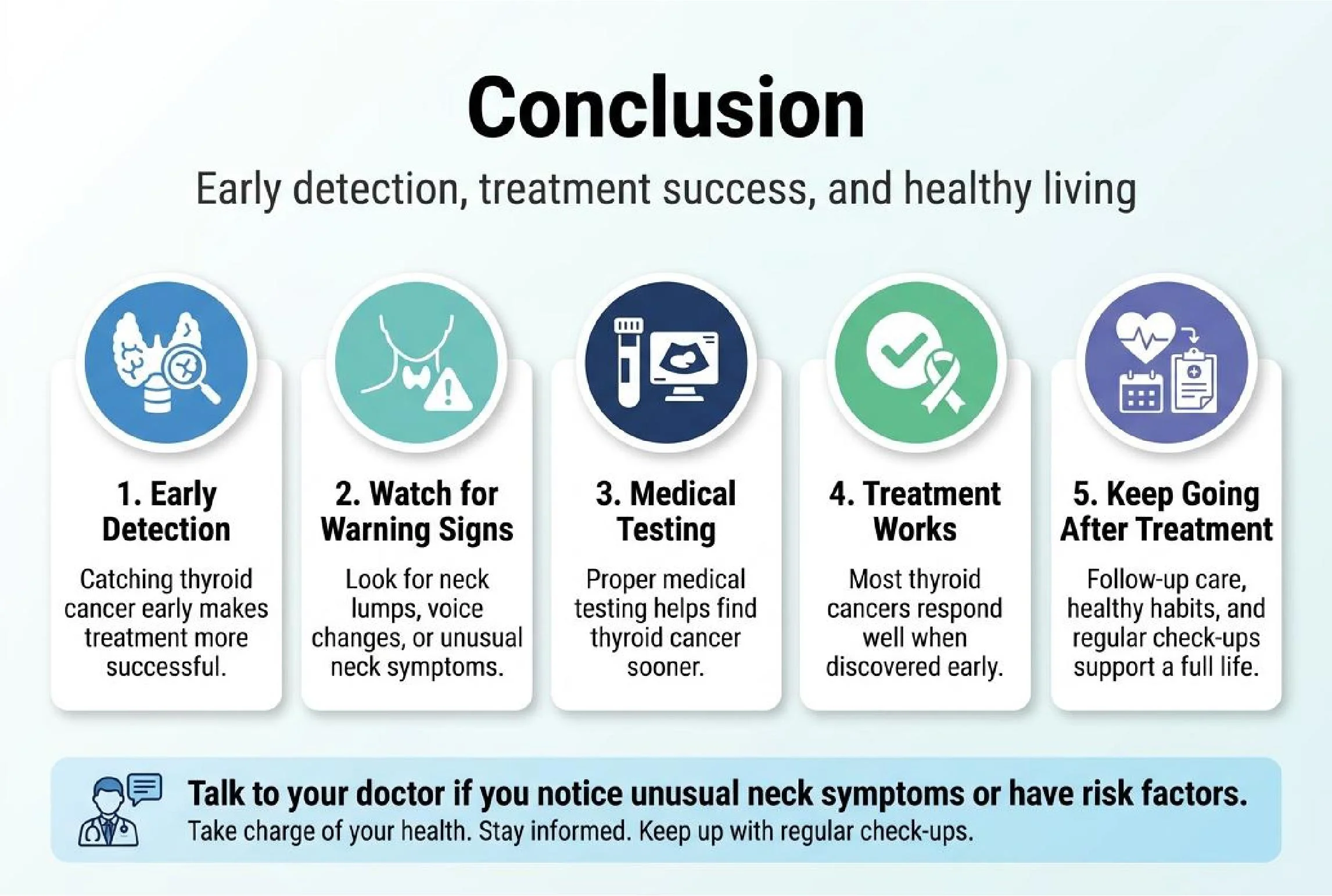
Thyroid cancer affects thousands of people each year, but catching it early makes a huge difference in treatment success. Knowing the different types, watching for warning signs like neck lumps or voice changes, and getting proper medical testing can help you stay ahead of this disease. The good news is that most thyroid cancers respond well to treatment when discovered early.
If you notice any unusual symptoms in your neck area or have risk factors for thyroid cancer, don’t wait to talk with your doctor. Early detection saves lives and makes treatment much easier to handle. Remember that surviving thyroid cancer is just the beginning – with the right follow-up care and lifestyle adjustments, you can live a full, healthy life after treatment. Take charge of your health by staying informed and keeping up with regular check-ups.
Also read,
Dr Priyansh Jain
Surgical Oncologist (Oncosurgeon)
Naman Cancer Clinic & Research Centre, Surat
Also read: Advanced Oncoplastic Breast Surgery with LICAP & LTAP Flaps
Also read: Breast Conservation Surgery with MICAP Flap Reconstruction for Breast Cancer