
Oral Cancer: Symptoms, Causes, Screening, Prevention & Treatment
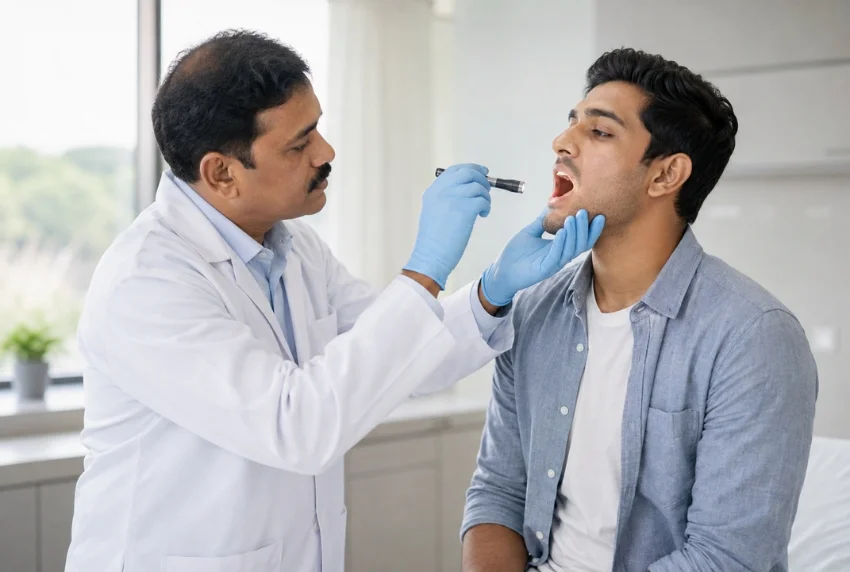
Oral Cancer Prevention Tips for Better Oral Health
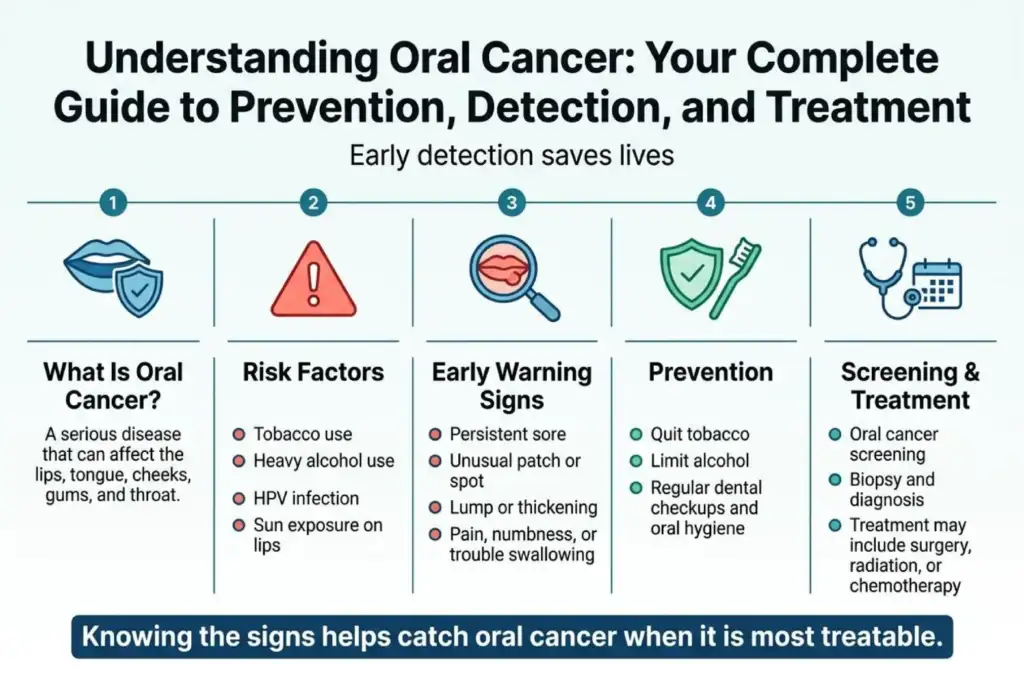
Understanding Oral Cancer: Your Complete Guide to Prevention, Detection, and Treatment
Oral cancer affects thousands of people each year, yet many don’t know the warning signs until it’s too late. This guide is designed for anyone concerned about their oral health – whether you’ve noticed unusual changes in your mouth, have risk factors that worry you, or simply want to stay informed about mouth cancer prevention.
We’ll walk you through the different types of oral cancer and what puts you at higher risk. You’ll learn to spot mouth cancer early signs that shouldn’t be ignored, from persistent sores to unusual patches. We’ll also share practical oral health protection strategies you can start using today, plus explain how oral cancer screening works and what treatment options are available if you or a loved one faces this diagnosis.
Early detection saves lives, and knowing what to look for gives you the power to catch oral cancer when it’s most treatable.
Understanding Oral Cancer Types and Risk Factors
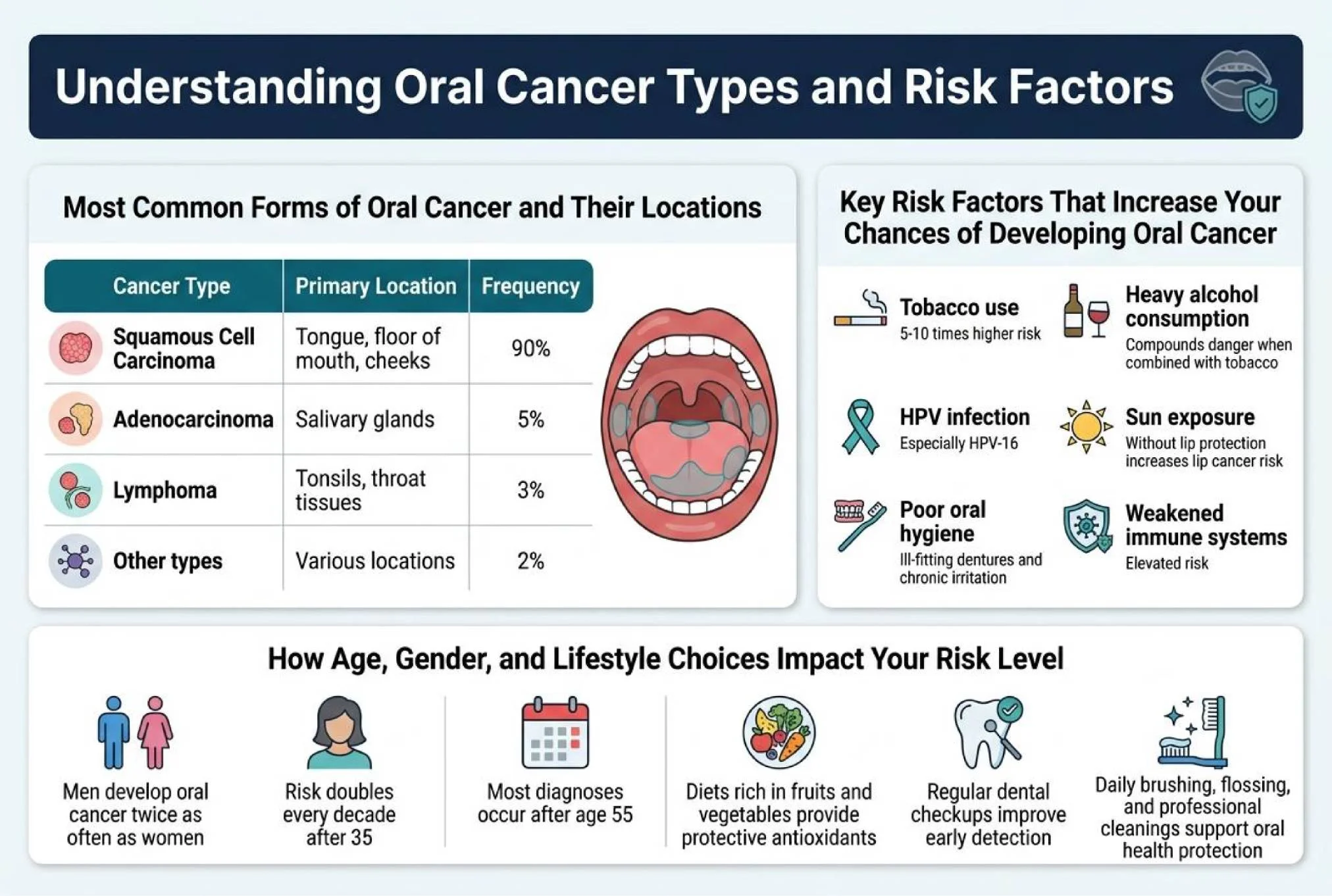
Most Common Forms of Oral Cancer and Their Locations
Squamous cell carcinoma accounts for over 90% of all oral cancer cases, typically developing in the thin, flat cells lining the mouth and throat. This aggressive form most commonly appears on the tongue, floor of the mouth, and inside the cheeks. Adenocarcinoma affects the salivary glands, while lymphomas target immune system tissues in the oral cavity.
| Cancer Type | Primary Location | Frequency |
| Squamous Cell Carcinoma | Tongue, floor of mouth, cheeks | 90% |
| Adenocarcinoma | Salivary glands | 5% |
| Lymphoma | Tonsils, throat tissues | 3% |
| Other types | Various locations | 2% |
Key Risk Factors That Increase Your Chances of Developing Oral Cancer
Tobacco use remains the leading oral cancer risk factor, with cigarettes, cigars, and chewing tobacco increasing risk by 5-10 times. Heavy alcohol consumption compounds this danger, especially when combined with tobacco use. HPV infection, particularly HPV-16, has emerged as a significant risk factor for oropharyngeal cancers.
Sun exposure without lip protection increases lip cancer risk, while poor oral hygiene and chronic irritation from ill-fitting dentures create inflammatory conditions that may lead to malignant changes. People with weakened immune systems face elevated risks.
How Age, Gender, and Lifestyle Choices Impact Your Risk Level
Men develop oral cancer twice as often as women, though this gap is narrowing as smoking rates among women have increased. Most oral cancer diagnoses occur after age 55, with risk doubling every decade after 35. Diet plays a crucial role – diets rich in fruits and vegetables provide protective antioxidants, while processed foods and excessive red meat consumption may increase risk.
Regular dental checkups significantly improve early detection rates, as oral cancer screening becomes part of routine examinations. Maintaining excellent oral health protection through daily brushing, flossing, and professional cleanings creates an environment less conducive to malignant cell development.
Recognizing Early Warning Signs and Symptoms
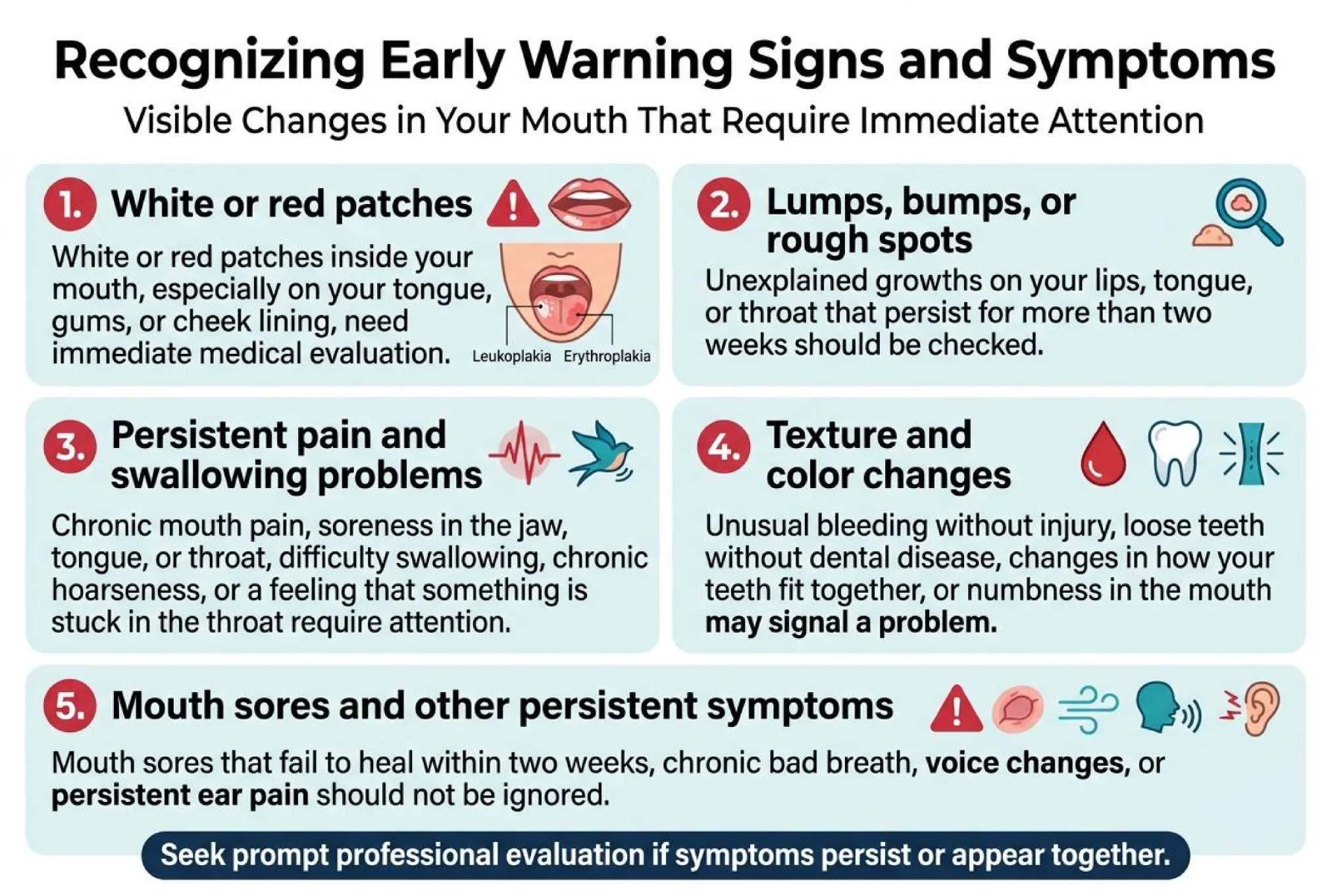
Visible Changes in Your Mouth That Require Immediate Attention
White or red patches inside your mouth, particularly on your tongue, gums, or cheek lining, are serious warning signs that need immediate medical evaluation. These lesions, known as leukoplakia (white patches) or erythroplakia (red patches), often appear before oral cancer develops and should never be ignored.
Unexplained lumps, bumps, or rough spots anywhere in your mouth cavity can indicate developing oral cancer symptoms. Pay attention to any unusual growths on your lips, tongue, or throat area that persist for more than two weeks, as early detection significantly improves treatment outcomes.
Persistent Pain and Discomfort Indicators You Shouldn’t Ignore
Chronic mouth pain that doesn’t respond to typical remedies or occurs without an obvious cause warrants professional examination. This includes persistent soreness in your jaw, tongue, or throat that interferes with daily activities like eating or speaking.
Difficulty swallowing, chronic hoarseness, or the sensation of something stuck in your throat can signal serious oral health issues. These mouth cancer early signs often develop gradually, making them easy to dismiss as minor irritations when they actually require urgent medical attention.
Texture and Color Changes That Signal Potential Problems
Unusual bleeding from your gums, tongue, or anywhere in your mouth without injury or dental work indicates potential problems. Pay special attention to bleeding that occurs spontaneously or with minimal contact, as healthy oral tissues shouldn’t bleed easily during normal activities.
Changes in how your teeth fit together, loose teeth without dental disease, or numbness in your mouth area can indicate underlying issues. These oral cancer symptoms often develop slowly, but any significant changes in oral sensation or dental alignment deserve prompt professional evaluation.
When Common Mouth Issues Become Serious Cancer Symptoms
Mouth sores that fail to heal within two weeks transform from minor annoyances into potential cancer warning signs. While most mouth injuries heal quickly, persistent ulcers or sores that worsen over time require immediate oral cancer screening by a qualified professional.
Chronic bad breath, changes in voice quality, or persistent ear pain can indicate advanced oral health problems. These seemingly unrelated symptoms sometimes connect to serious underlying conditions, making comprehensive evaluation essential for anyone experiencing multiple concerning signs simultaneously.
Effective Prevention Strategies for Oral Health Protection
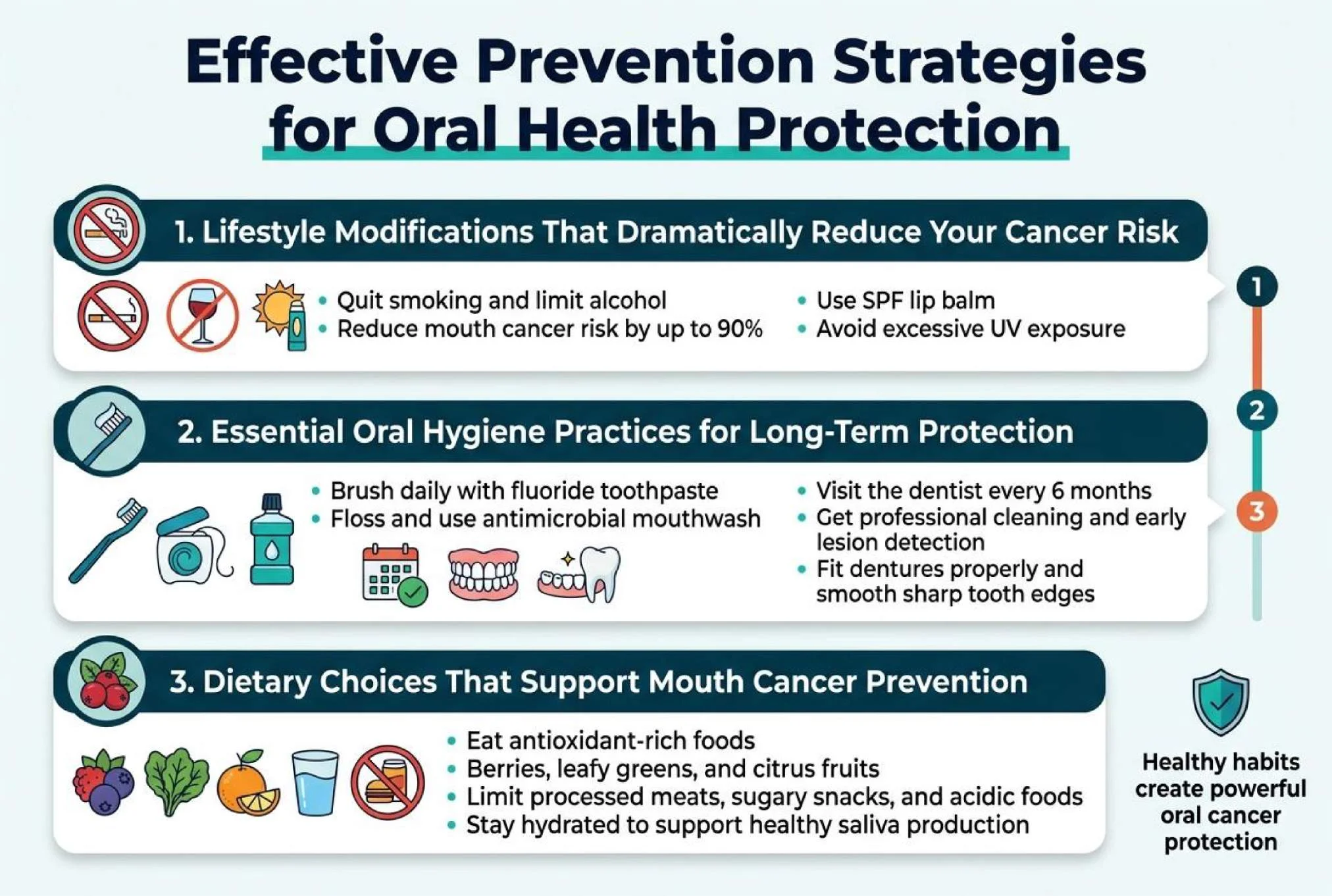
Lifestyle Modifications That Dramatically Reduce Your Cancer Risk
Tobacco and alcohol consumption represent the biggest modifiable risk factors for oral cancer prevention. Quitting smoking and limiting alcohol intake can reduce your mouth cancer risk by up to 90%. Regular sun exposure also increases lip cancer risk, so using SPF lip balm and avoiding excessive UV exposure provides essential oral health protection.
Essential Oral Hygiene Practices for Long-Term Protection
Daily brushing with fluoride toothpaste, flossing, and using antimicrobial mouthwash create an environment hostile to cancer-causing bacteria. Regular dental checkups every six months allow for professional cleaning and early detection of suspicious lesions. Properly fitted dentures and addressing sharp tooth edges prevent chronic irritation that can lead to cellular changes and potential malignancy.
Dietary Choices That Support Mouth Cancer Prevention
Antioxidant-rich foods like berries, leafy greens, and citrus fruits strengthen your immune system’s ability to fight abnormal cell development. Limiting processed meats, sugary snacks, and acidic foods reduces inflammation and creates optimal oral health conditions. Staying hydrated maintains healthy saliva production, which naturally cleanses the mouth and neutralizes harmful bacteria that contribute to oral cancer risk factors.
Professional Screening and Diagnostic Methods
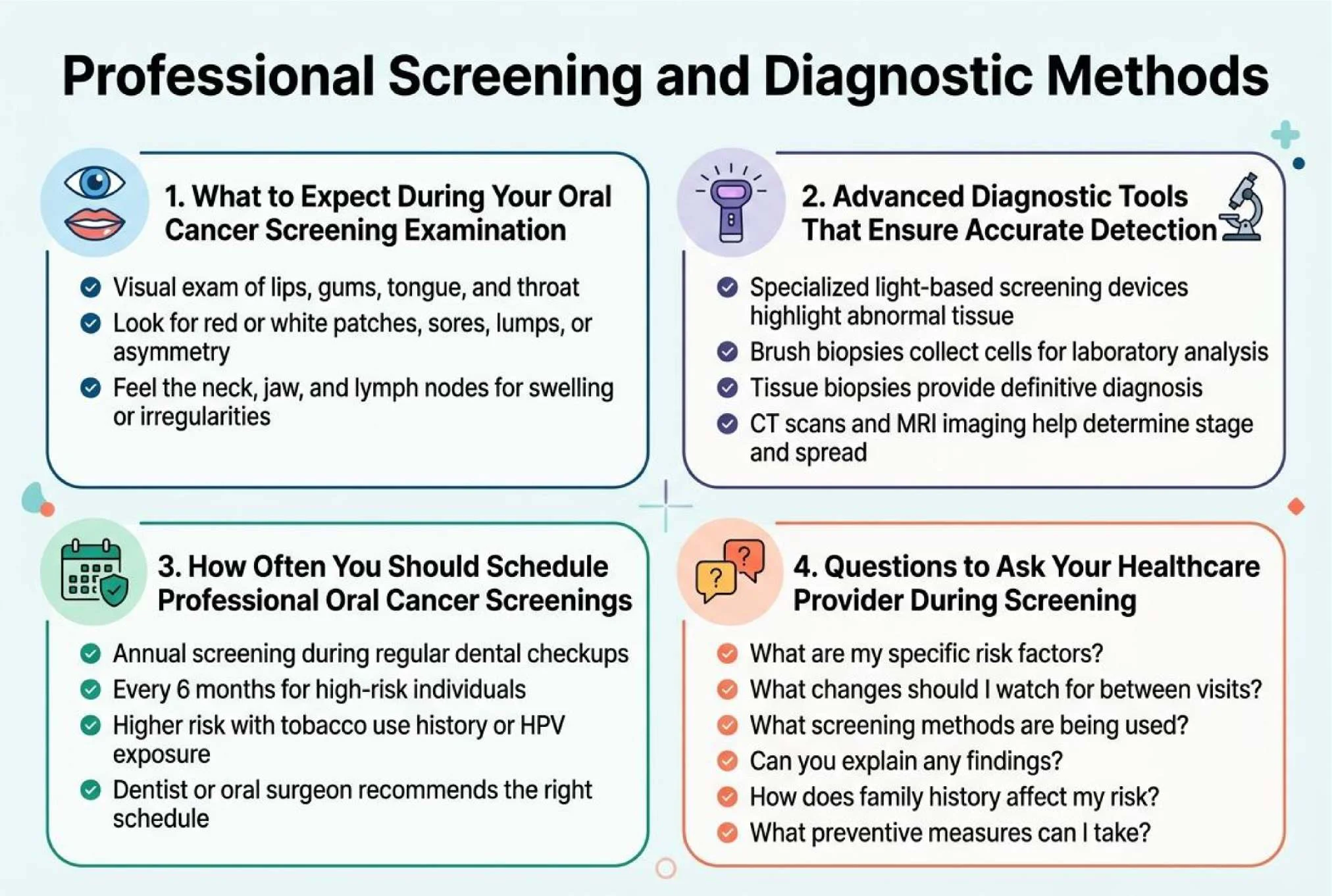
What to Expect During Your Oral Cancer Screening Examination
Your oral cancer screening starts with a visual examination where your healthcare provider inspects your lips, gums, tongue, and throat for unusual changes. They’ll check for red or white patches, sores, lumps, or any asymmetry. The provider will also feel your neck, jaw, and lymph nodes for swelling or irregularities.
Advanced Diagnostic Tools That Ensure Accurate Detection
Modern oral cancer diagnosis relies on specialized light-based screening devices that highlight abnormal tissue. Brush biopsies collect cells for laboratory analysis, while tissue biopsies provide definitive diagnosis. CT scans and MRI imaging help determine cancer stage and spread when suspicious areas are found.
How Often You Should Schedule Professional Oral Cancer Screenings
Annual oral cancer screening should be part of your regular dental checkups, especially if you’re over 40. High-risk individuals with tobacco use history or HPV exposure may need more frequent screenings every six months. Your dentist or oral surgeon will recommend the appropriate screening schedule based on your personal risk factors.
Questions to Ask Your Healthcare Provider During Screening
Ask about your specific risk factors and what changes to watch for between visits. Inquire about the screening methods being used and request explanations of any findings. Discuss family history relevance and preventive measures you can take to reduce your oral cancer risk moving forward.
Treatment Options and Recovery Approaches
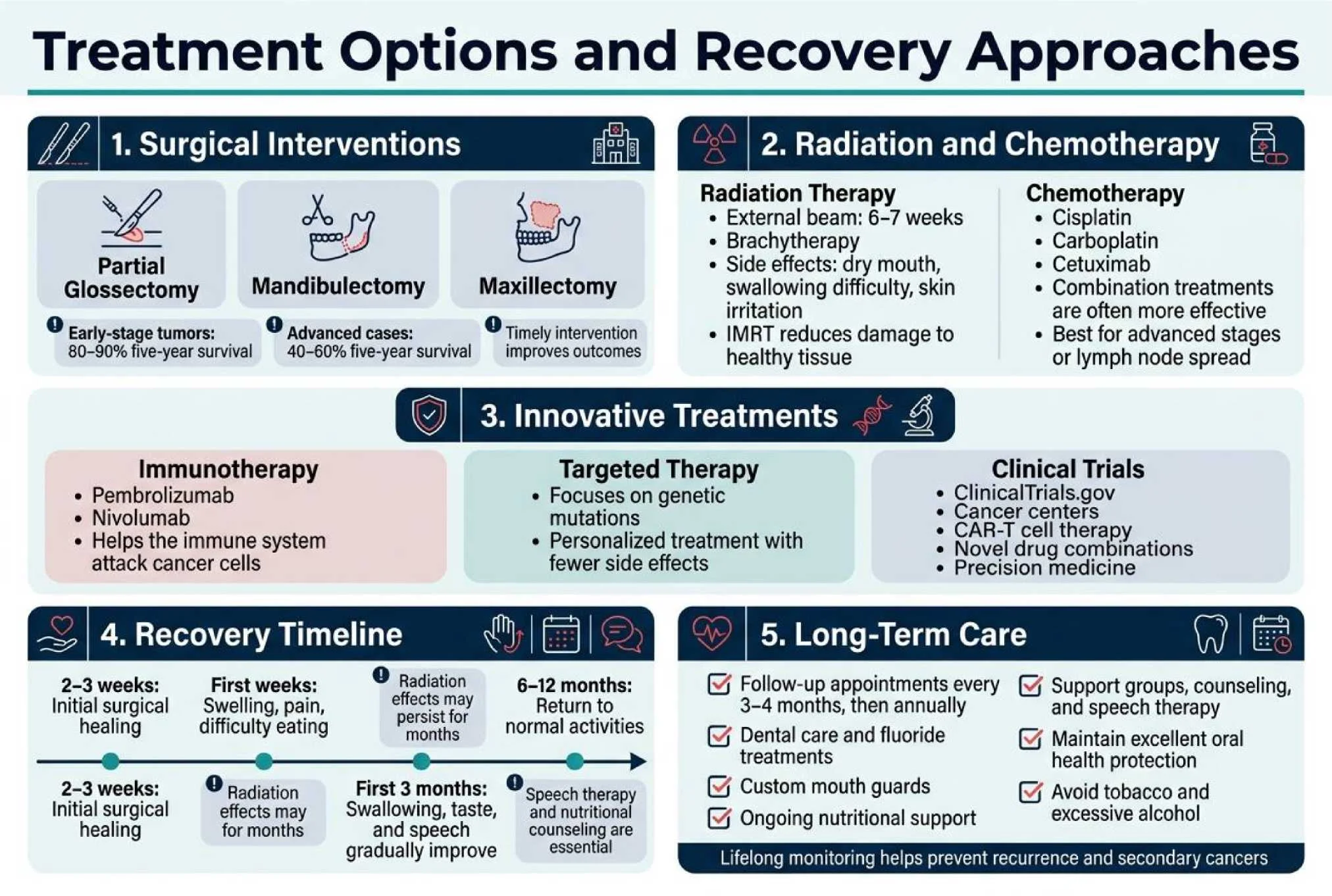
Surgical Interventions and Their Success Rates
Oral cancer treatment depends heavily on the tumor’s location, size, and stage. Surgeons may perform partial glossectomy, mandibulectomy, or maxillectomy to remove cancerous tissue. Success rates vary significantly, with early-stage tumors showing 80-90% five-year survival rates, while advanced cases drop to 40-60%. Dr Priyansh Jain, oral cancer surgeon in Surat emphasize that timely intervention dramatically improves outcomes.
Reconstructive surgery often follows tumor removal, using tissue flaps or implants to restore function and appearance. Modern microsurgical techniques have improved both cosmetic and functional results, allowing patients to maintain speech and swallowing abilities post-surgery.
Radiation and Chemotherapy Treatments for Oral Cancer
Radiation therapy targets cancer cells with high-energy beams, either as primary oral cancer treatment or post-surgical therapy. External beam radiation typically runs 6-7 weeks, while brachytherapy places radioactive sources directly near tumors. Side effects include dry mouth, difficulty swallowing, and skin irritation, but newer intensity-modulated radiation therapy (IMRT) reduces damage to healthy tissue.
Chemotherapy uses drugs like cisplatin, carboplatin, or cetuximab to destroy cancer cells throughout the body. Combination treatments often prove more effective than single therapies, particularly for advanced stages or when cancer has spread to lymph nodes.
Innovative Treatment Methods and Clinical Trial Opportunities
Immunotherapy represents a breakthrough in oral cancer treatment, helping the immune system recognize and attack cancer cells. Drugs like pembrolizumab and nivolumab show promising results for recurrent or metastatic cases. Targeted therapy focuses on specific genetic mutations, offering personalized treatment approaches with fewer side effects than traditional chemotherapy.
Clinical trials provide access to cutting-edge treatments before they become widely available. Patients can explore options through ClinicalTrials.gov or cancer centers, potentially accessing CAR-T cell therapy, novel drug combinations, or precision medicine approaches tailored to their specific tumor characteristics.
Recovery Timeline and What to Expect During Healing
Mouth cancer recovery varies significantly based on treatment type and individual factors. Initial surgical healing takes 2-3 weeks, while radiation effects may persist for months. Patients often experience swelling, pain, and difficulty eating during the first few weeks. Speech therapy and nutritional counseling become essential components of recovery.
The first three months prove most challenging, with gradual improvement in swallowing, taste, and speech function. Most patients return to normal activities within 6-12 months, though some permanent changes in taste, saliva production, or speech patterns may remain.
Long-Term Care Strategies for Survivors
Oral cancer survivors require lifelong monitoring through regular follow-up appointments every 3-4 months initially, then annually. Dental care becomes particularly important, as radiation therapy increases cavity risk and may cause jaw problems. Fluoride treatments and custom mouth guards help protect remaining teeth.
Nutritional support remains ongoing, with many survivors needing modified textures or supplemental nutrition. Support groups, counseling, and speech therapy continue as needed. Survivors must maintain excellent oral health protection and avoid tobacco and excessive alcohol to prevent recurrence or secondary cancers.
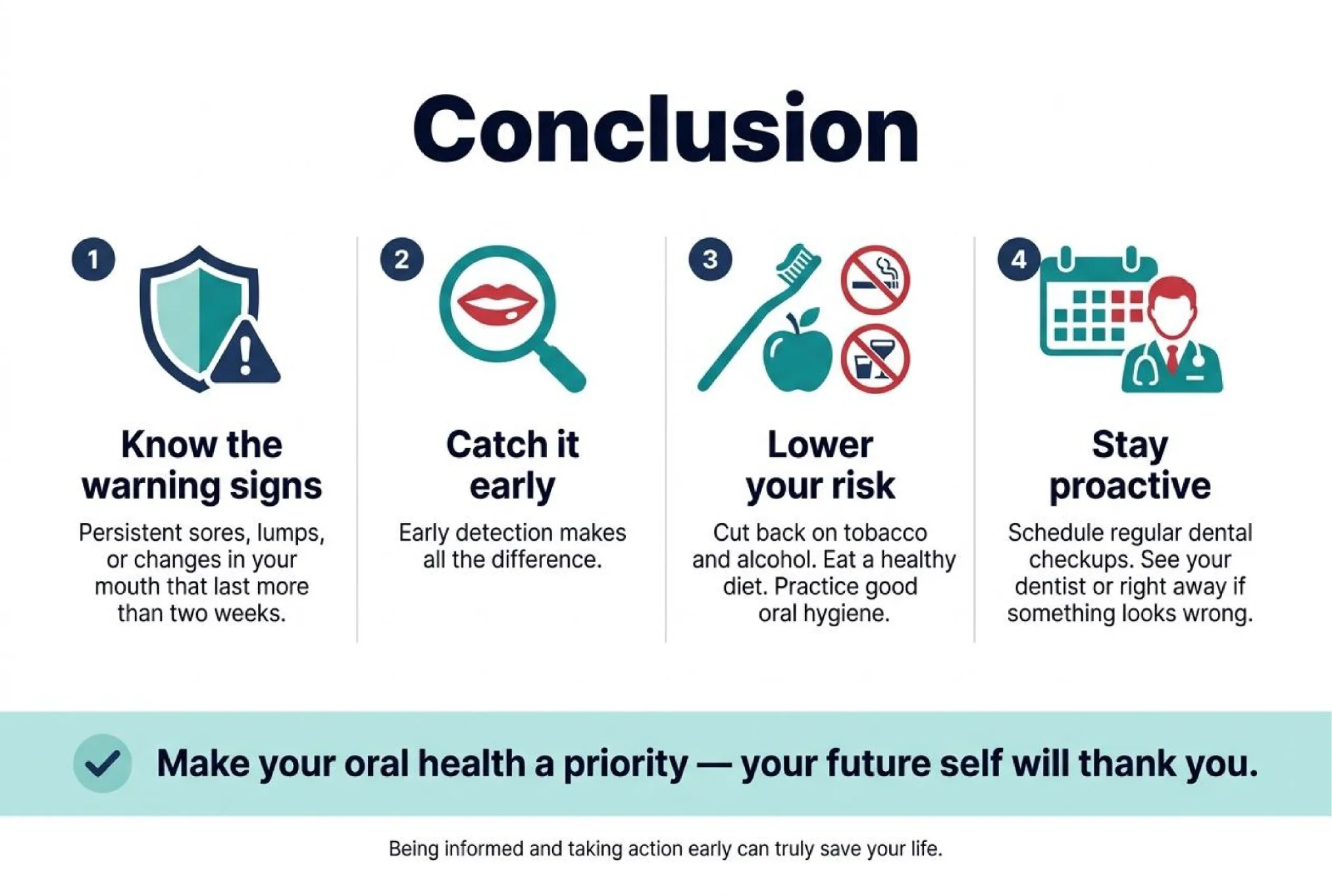
Oral cancer doesn’t have to be a silent threat if you know what to watch for and take the right steps to protect yourself. The key points we’ve covered – from understanding the different types and risk factors to recognizing early warning signs – all point to one important truth: catching this disease early makes all the difference. Simple changes like cutting back on tobacco and alcohol, eating a healthy diet, and practicing good oral hygiene can significantly reduce your risk.
Your best defense is staying proactive about your oral health. Schedule regular dental checkups and don’t ignore persistent sores, lumps, or changes in your mouth that last more than two weeks. If you notice any concerning symptoms, see your dentist or doctor right away. Remember, when it comes to oral cancer, being informed and taking action early can truly save your life. Make your oral health a priority – your future self will thank you for it.
Also read,
Dr Priyansh Jain
Surgical Oncologist (Oncosurgeon)
Naman Cancer Clinic & Research Centre, Surat
Also read: Advanced Oncoplastic Breast Surgery with LICAP & LTAP Flaps
Also read: Breast Conservation Surgery with MICAP Flap Reconstruction for Breast Cancer