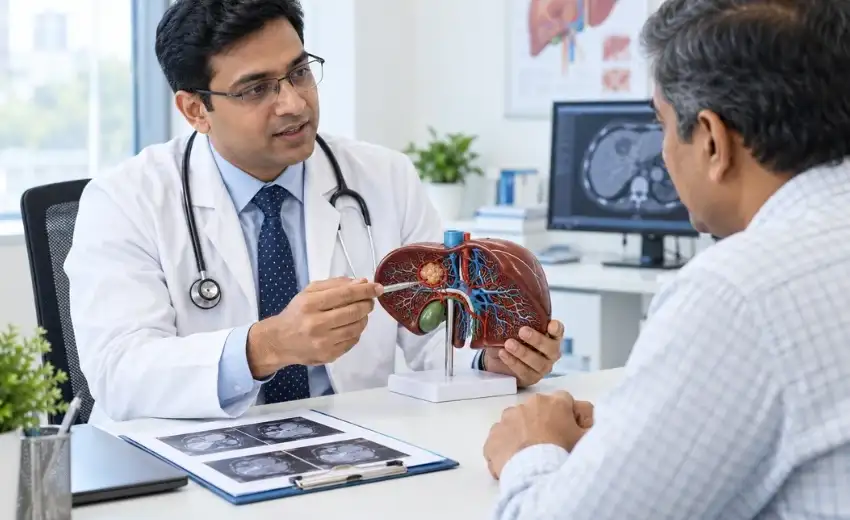
Gastrointestinal Cancer: Complete Guide to Symptoms, Diagnosis & Treatment

Gastrointestinal Cancer Symptoms, Risk Factors and Early Detection
Understanding Gastrointestinal Cancer: Your Complete Guide to Prevention, Detection, and Treatment
Gastrointestinal cancer affects millions of people worldwide, yet many don’t recognize the early warning signs until it’s too late. This comprehensive guide is written for patients, their families, and anyone wanting to understand more about GI cancer symptoms and prevention strategies.
Dr. Priyansh Jain from Surat explains that digestive system cancers include several types – from stomach cancer and colorectal cancer to pancreatic and esophageal cancers. Each presents unique challenges, but early detection dramatically improves outcomes.
We’ll explore the different types of gastrointestinal cancers you should know about, including their specific risk factors and how they develop. You’ll learn to recognize stomach cancer early signs and other GI cancer symptoms that could save your life – because catching these cancers early makes all the difference.
We’ll also cover modern bowel cancer screening methods and colorectal cancer diagnosis techniques that doctors use today. These diagnostic tools have revolutionized how we detect and treat digestive system cancers.
Finally, we’ll discuss proven digestive system cancer treatment options and share practical colon cancer lifestyle changes that can significantly reduce your risk. From pancreatic cancer prevention strategies to improving your gastric cancer prognosis through simple daily habits, you’ll get actionable advice you can start using right away.
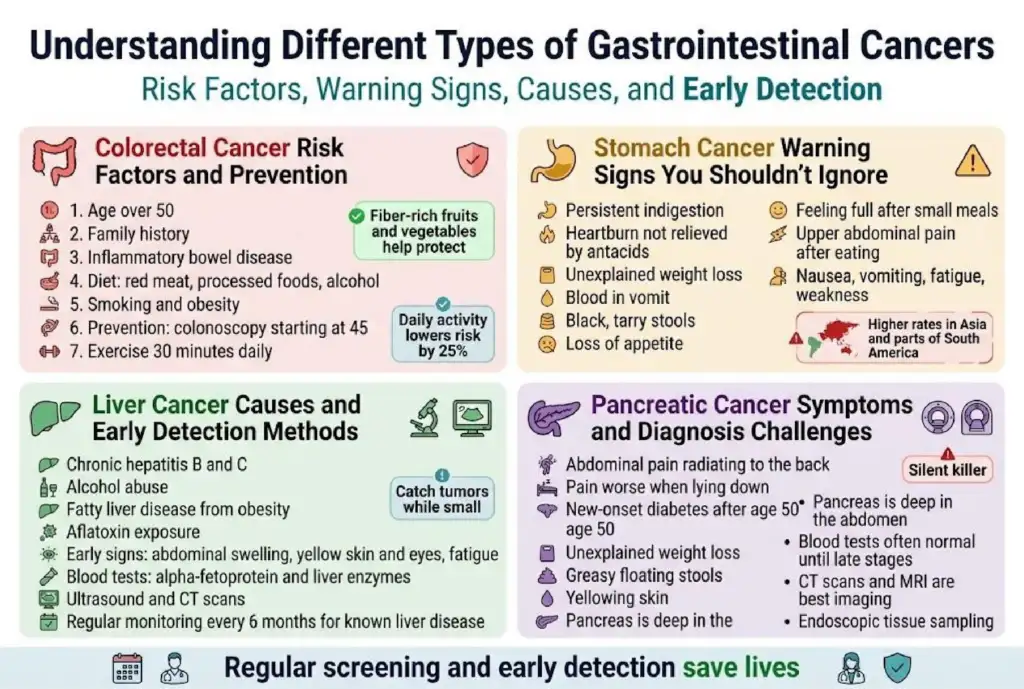
Understanding Different Types of Gastrointestinal Cancers
Colorectal Cancer Risk Factors and Prevention
Age stands as the biggest risk factor for colorectal cancer, with most cases occurring after 50. Family history doubles your chances, while inflammatory bowel diseases like Crohn’s disease create ongoing inflammation that can trigger malignant changes. Diet plays a huge role – red meat, processed foods, and alcohol increase risk, while fiber-rich vegetables and fruits offer protection. Smoking and obesity compound these dangers significantly. Regular colonoscopy screening starting at age 45 catches precancerous polyps before they turn dangerous. Physical activity for just 30 minutes daily cuts risk by 25%. Dr Priyansh Jain in Surat emphasizes that simple lifestyle changes and timely bowel cancer screening prevent most cases from developing.
Stomach Cancer Warning Signs You Shouldn’t Ignore
Stomach cancer symptoms often masquerade as common digestive issues, making early detection challenging. Persistent indigestion, heartburn that doesn’t respond to antacids, and unexplained weight loss signal potential gastric cancer. Blood in vomit or black, tarry stools indicate bleeding that needs immediate attention. Loss of appetite, feeling full after small meals, and upper abdominal pain that worsens after eating are classic early signs. Nausea and vomiting, especially when accompanied by fatigue and weakness, shouldn’t be dismissed as stomach flu. Many patients ignore these stomach cancer early signs for months, allowing the disease to advance. Geographic location matters – rates are higher in Asia and parts of South America due to dietary factors and H. pylori infections.
Liver Cancer Causes and Early Detection Methods
Chronic hepatitis B and C infections cause 80% of liver cancers worldwide, creating long-term inflammation that damages healthy cells. Alcohol abuse and fatty liver disease from obesity create similar destructive patterns. Aflatoxin exposure from moldy grains and nuts adds another layer of risk. Early liver cancer rarely produces symptoms, making detection extremely difficult. Abdominal swelling, yellowing of skin and eyes, and persistent fatigue may indicate advanced disease. Blood tests measuring alpha-fetoprotein levels and liver enzymes provide early clues. Ultrasounds and CT scans reveal tumors before symptoms appear. People with known liver disease need regular monitoring every 6 months. Treatment success depends heavily on catching tumors while they’re small and the liver function remains adequate.
Pancreatic Cancer Symptoms and Diagnosis Challenges
Pancreatic cancer earns its reputation as a silent killer because symptoms appear only after the tumor grows large or spreads. Abdominal pain that radiates to the back, especially when lying down, often signals advanced disease. New-onset diabetes in adults over 50 without obvious risk factors sometimes indicates pancreatic cancer. Unexplained weight loss, greasy stools that float, and yellowing of skin point to blocked bile ducts. The pancreas sits deep in the abdomen, hidden behind other organs, making physical examination useless for early detection. Standard blood tests rarely show abnormalities until late stages. CT scans and MRI provide the best imaging, but small tumors often escape detection. Endoscopic procedures allow direct visualization and tissue sampling, but they’re invasive and not suitable for routine screening.
Recognizing Early Symptoms That Could Save Your Life
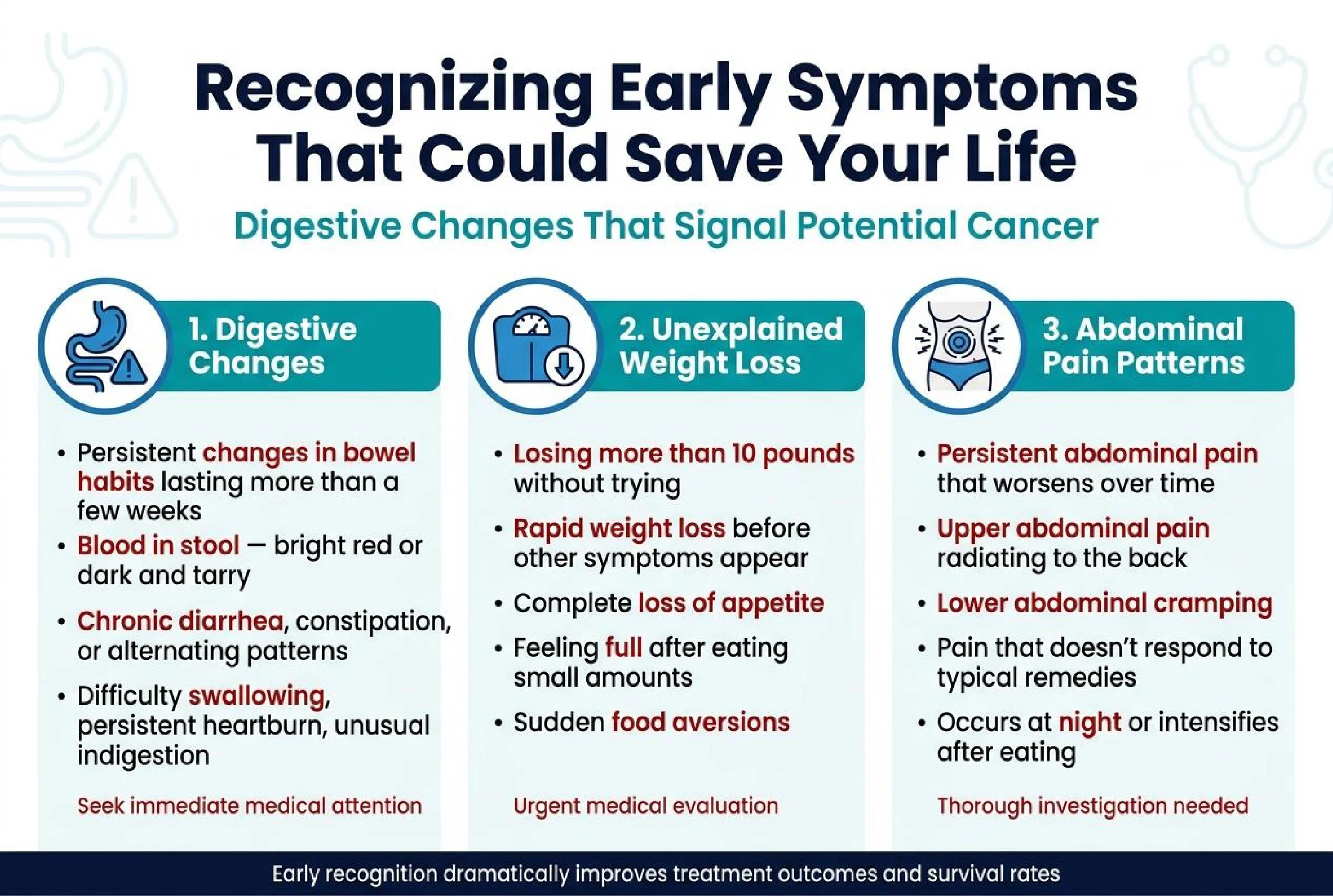
Digestive Changes That Signal Potential Cancer
Persistent changes in bowel habits lasting more than a few weeks deserve immediate medical attention. Blood in stool, whether bright red or dark and tarry, often indicates colorectal cancer or other GI malignancies. Chronic diarrhea, constipation, or alternating patterns can signal stomach cancer early signs or bowel cancer development. Difficulty swallowing, persistent heartburn, and unusual indigestion may point to esophageal cancer risk factors. Many patients dismiss these gastrointestinal cancer symptoms as temporary digestive issues, but early recognition dramatically improves treatment outcomes and survival rates.
Unexplained Weight Loss and Appetite Changes
Losing more than 10 pounds without trying often represents one of the most significant GI cancer symptoms requiring urgent evaluation. Pancreatic, stomach, and esophageal cancers frequently cause rapid weight loss before other symptoms appear. Complete loss of appetite, feeling full after eating small amounts, or sudden food aversions can indicate gastric cancer development. Cancer cells consume enormous energy, disrupting normal metabolism and nutrient absorption. Patients experiencing these changes alongside digestive symptoms should seek immediate medical consultation for proper colorectal cancer diagnosis and comprehensive screening.
Abdominal Pain Patterns Worth Investigating
Persistent abdominal pain that worsens over time, especially when accompanied by other digestive system cancer symptoms, warrants thorough investigation. Upper abdominal pain radiating to the back often suggests pancreatic cancer, while lower abdominal cramping may indicate colon involvement. Pain that doesn’t respond to typical remedies, occurs at night, or intensifies after eating requires professional evaluation. Different gastrointestinal cancer types produce distinct pain patterns – stomach cancers typically cause upper belly discomfort, while bowel cancers create lower abdominal cramping and pressure sensations.
Modern Diagnostic Tools and Testing Procedures
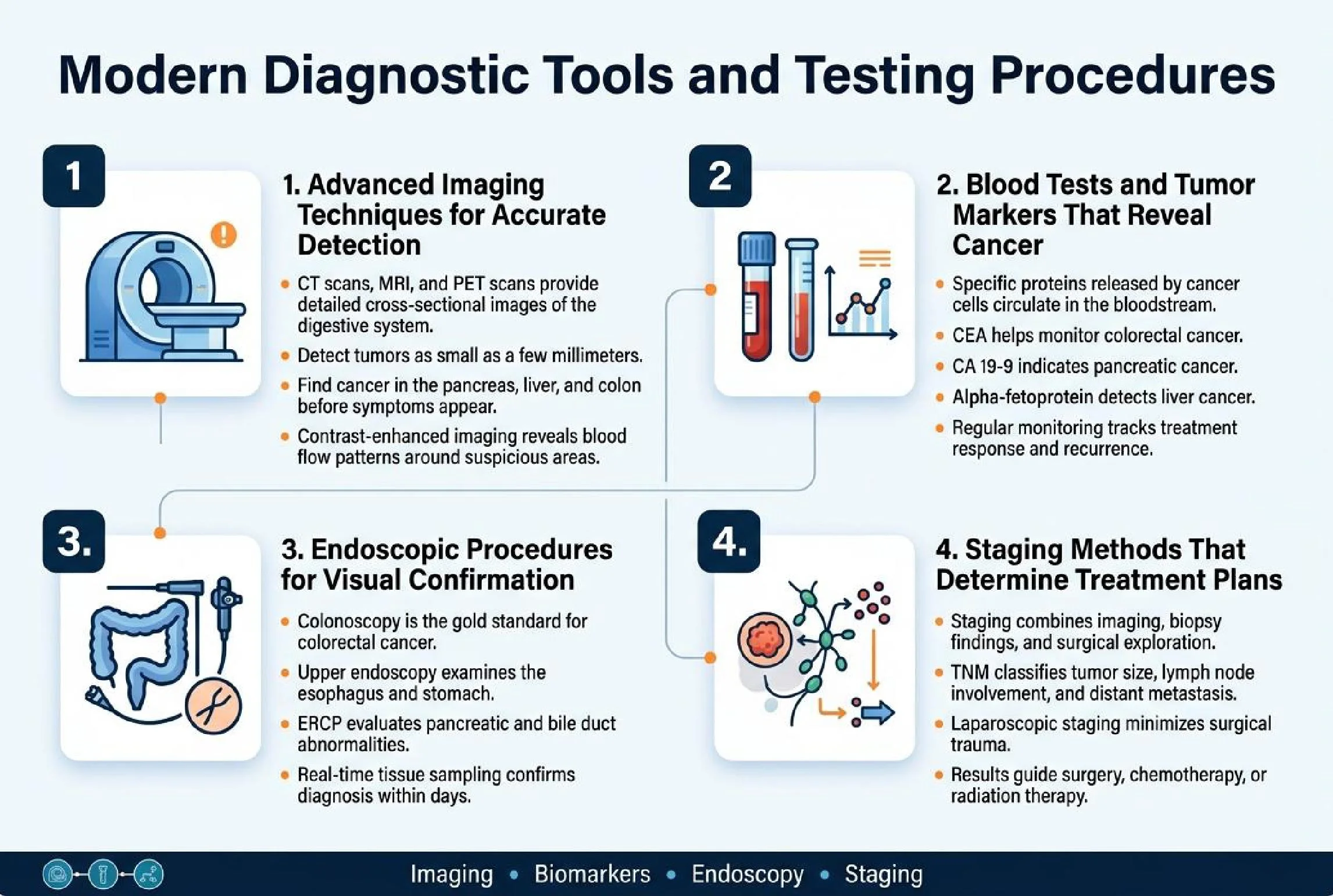
Advanced Imaging Techniques for Accurate Detection
CT scans, MRI, and PET scans provide detailed cross-sectional images of the digestive system, helping doctors spot tumors as small as a few millimeters. These non-invasive techniques can detect gastrointestinal cancer in organs like the pancreas, liver, and colon before symptoms appear. Modern contrast-enhanced imaging reveals blood flow patterns around suspicious areas, making it easier to distinguish between cancerous and benign growths.
Blood Tests and Tumor Markers That Reveal Cancer
Specific proteins released by cancer cells circulate in the bloodstream, serving as early warning signals. CEA levels help monitor colorectal cancer progression, while CA 19-9 markers indicate pancreatic cancer development. Alpha-fetoprotein tests detect liver cancer, and these blood-based screenings often catch GI cancer symptoms before physical examination reveals abnormalities. Regular monitoring of these biomarkers helps track treatment response and potential recurrence.
Endoscopic Procedures for Visual Confirmation
Colonoscopy remains the gold standard for detecting colorectal cancer, allowing direct visualization and immediate biopsy collection. Upper endoscopy examines the esophagus and stomach for early gastric cancer signs, while ERCP procedures evaluate pancreatic and bile duct abnormalities. These minimally invasive procedures provide real-time tissue sampling, enabling pathologists to confirm cancer diagnosis within days rather than weeks through exploratory surgery.
Staging Methods That Determine Treatment Plans
Accurate staging combines imaging results, biopsy findings, and surgical exploration to map cancer spread throughout the digestive system. The TNM system classifies tumor size, lymph node involvement, and distant metastasis, directly influencing treatment decisions. Laparoscopic staging procedures minimize surgical trauma while providing detailed information about cancer extent. This comprehensive approach helps oncologists choose between surgical resection, chemotherapy, or radiation therapy for optimal patient outcomes.
Proven Treatment Options and Success Rates
Surgical Interventions for Different Cancer Stages
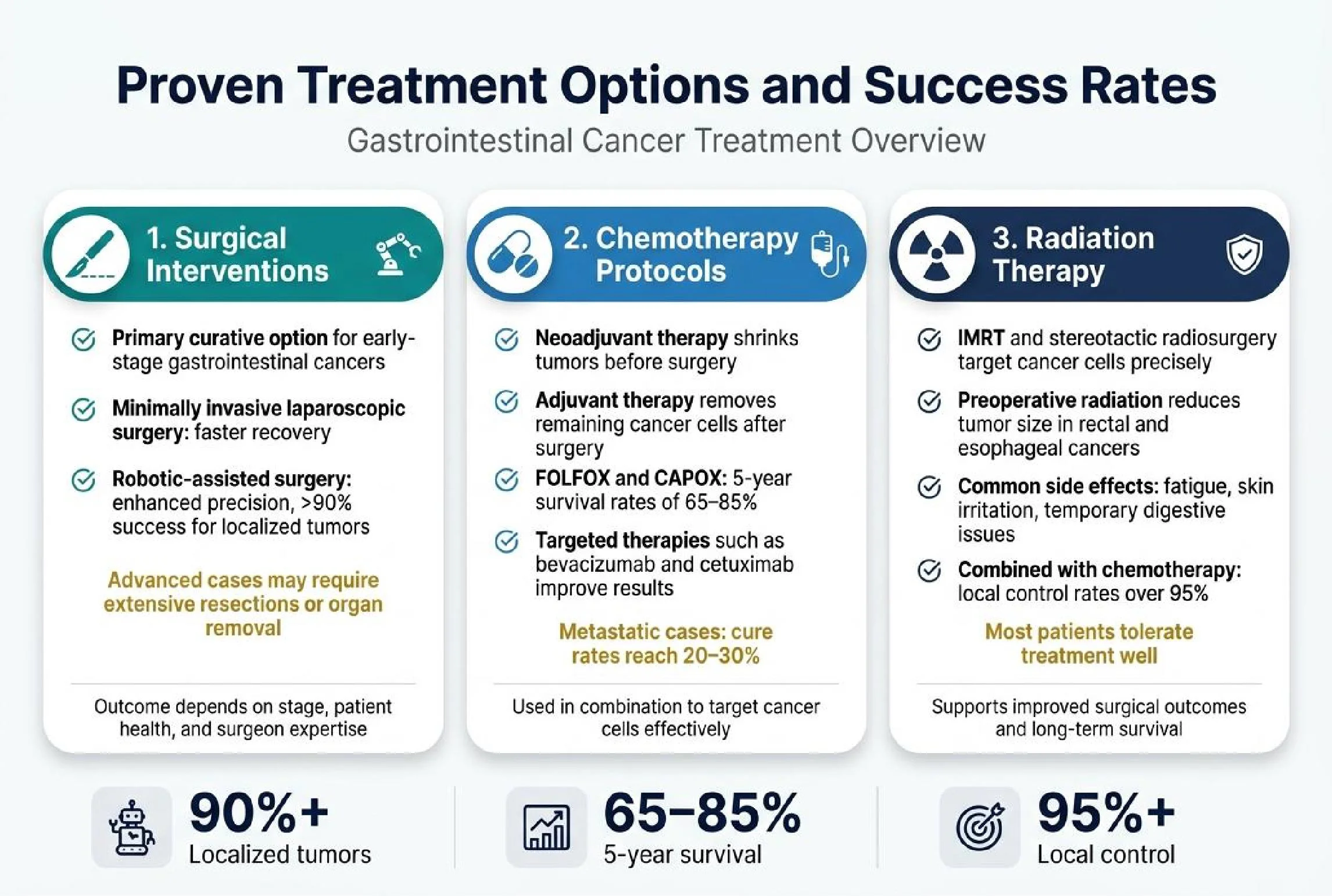
Surgery remains the primary curative treatment for most gastrointestinal cancers when detected early. Minimally invasive laparoscopic procedures offer faster recovery times for early-stage colorectal and gastric cancers, while advanced cases may require extensive resections including organ removal. Robotic-assisted surgeries provide enhanced precision for complex digestive system cancer treatment, with success rates exceeding 90% for localized tumors. Surgical outcomes depend heavily on cancer stage, patient health, and surgeon expertise.
Chemotherapy Protocols and Expected Outcomes
Modern chemotherapy regimens combine multiple drugs to target gastrointestinal cancer cells effectively. Neoadjuvant chemotherapy shrinks tumors before surgery, while adjuvant therapy eliminates remaining cancer cells post-operation. FOLFOX and CAPOX protocols show remarkable success in colorectal cancer, achieving 5-year survival rates of 65-85% depending on staging. Targeted therapies like bevacizumab and cetuximab enhance traditional chemotherapy effectiveness, particularly in metastatic cases where cure rates reach 20-30%.
Radiation Therapy Benefits and Side Effects
Radiation therapy precisely targets cancer cells while preserving healthy tissue through advanced techniques like IMRT and stereotactic radiosurgery. Preoperative radiation reduces tumor size in rectal and esophageal cancers, improving surgical outcomes significantly. Common side effects include fatigue, skin irritation, and temporary digestive issues, though most patients tolerate treatment well. Combined with chemotherapy, radiation therapy increases local control rates to over 95% in many gastrointestinal cancer cases, offering hope for improved long-term survival.
Lifestyle Changes That Reduce Your Cancer Risk
Dietary Modifications for Optimal Gut Health
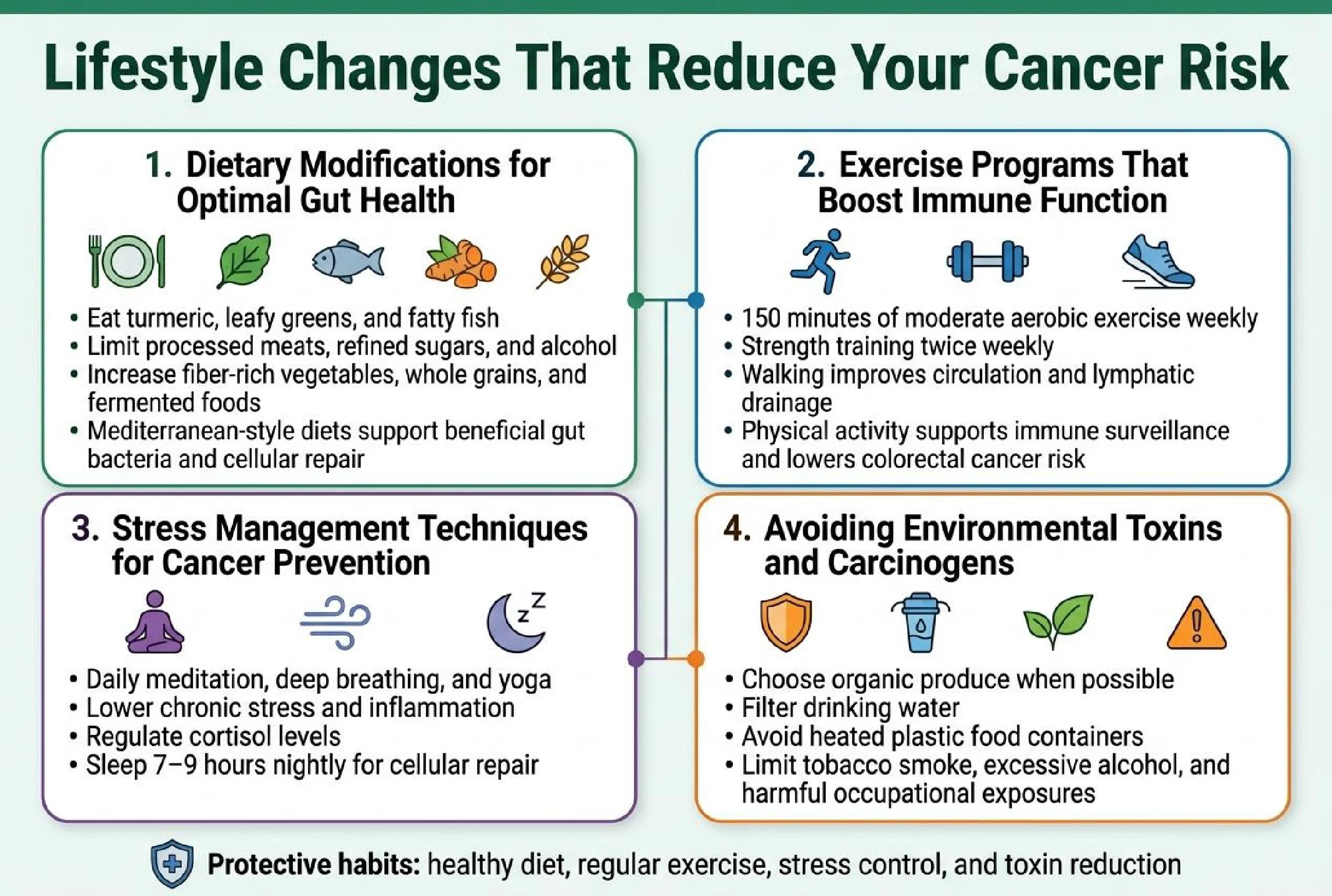
Anti-inflammatory foods like turmeric, leafy greens, and fatty fish significantly reduce gastrointestinal cancer risk. Limit processed meats, refined sugars, and alcohol while increasing fiber-rich vegetables, whole grains, and fermented foods. Mediterranean-style diets show remarkable protection against colon cancer lifestyle changes that promote beneficial gut bacteria and cellular repair mechanisms.
Exercise Programs That Boost Immune Function
Regular physical activity strengthens immune surveillance against abnormal cell growth in digestive organs. Moderate aerobic exercise for 150 minutes weekly, combined with strength training twice weekly, reduces colorectal cancer risk by 30%. Even simple walking routines enhance lymphatic drainage, improve circulation, and regulate hormones linked to gastrointestinal cancer development.
Stress Management Techniques for Cancer Prevention
Chronic stress weakens immune function and increases inflammation throughout the digestive system. Daily meditation, deep breathing exercises, and yoga practice help regulate cortisol levels that otherwise suppress cancer-fighting immune cells. Quality sleep for 7-9 hours nightly allows cellular repair processes to eliminate potentially dangerous mutations before they develop into tumors.
Avoiding Environmental Toxins and Carcinogens
Common household chemicals, pesticide residues, and industrial pollutants accumulate in digestive tissues over time. Choose organic produce when possible, filter drinking water, and avoid plastic food containers heated in microwaves. Tobacco smoke, excessive alcohol consumption, and occupational exposures to asbestos or chemicals significantly increase esophageal cancer risk factors requiring protective measures and regular screening protocols.
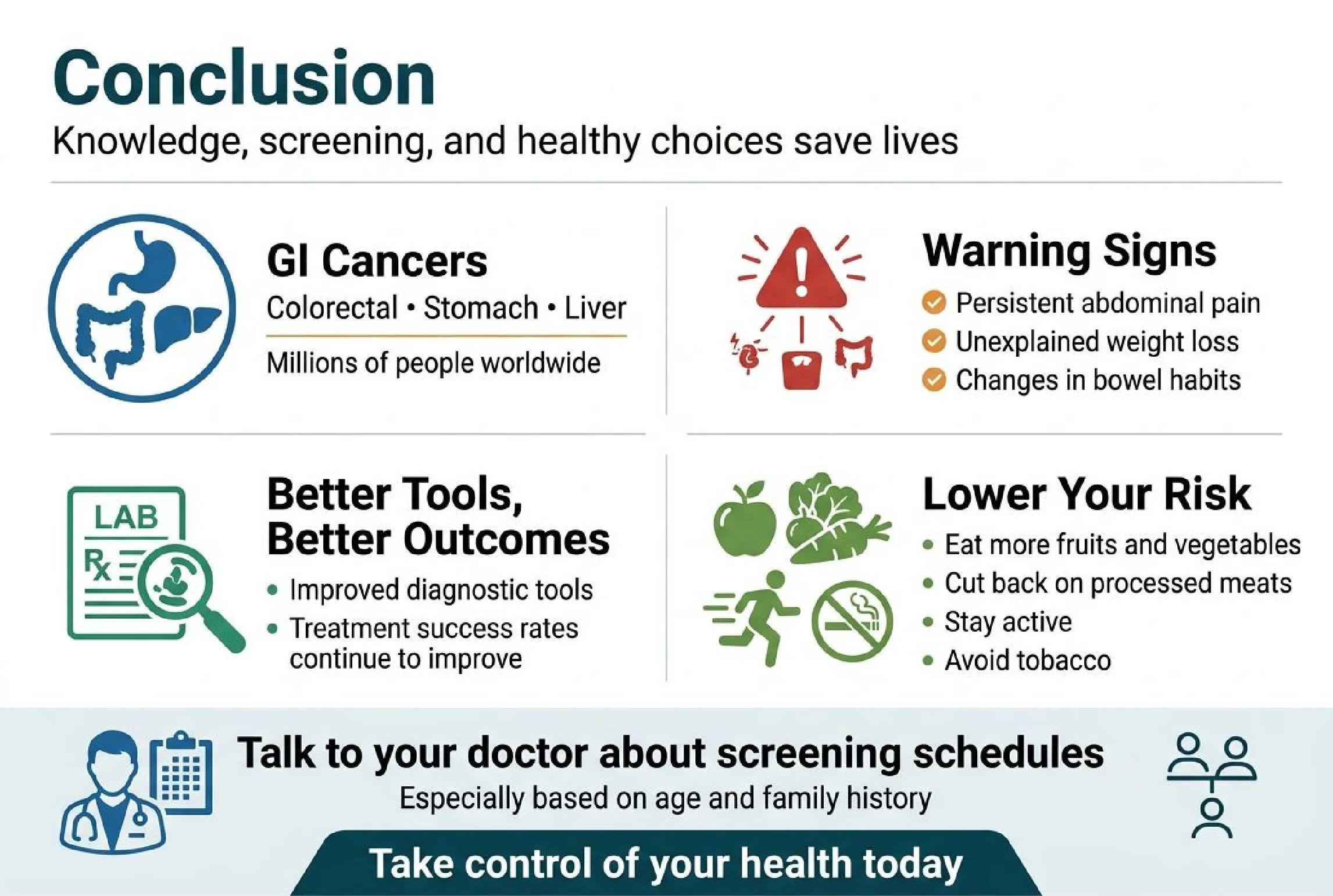
Gastrointestinal cancers affect millions of people worldwide, but knowledge truly is power when it comes to fighting these diseases. From colorectal cancer to stomach and liver cancers, each type has distinct warning signs that your body sends out early on. Catching symptoms like persistent abdominal pain, unexplained weight loss, or changes in bowel habits can make the difference between a good prognosis and a challenging journey ahead.
The good news is that medical advances have given us better diagnostic tools than ever before, and treatment success rates continue to improve year after year. Your daily choices matter too – eating more fruits and vegetables, cutting back on processed meats, staying active, and avoiding tobacco can significantly lower your risk. Talk to your doctor about screening schedules that make sense for your age and family history, and don’t ignore persistent symptoms that feel different from your normal. Taking control of your health today could be the most important decision you make.
Also read,
Dr Priyansh Jain
Surgical Oncologist (Oncosurgeon)
Naman Cancer Clinic & Research Centre, Surat
Also read: Advanced Oncoplastic Breast Surgery with LICAP & LTAP Flaps
Also read: Breast Conservation Surgery with MICAP Flap Reconstruction for Breast Cancer