Cancer Prevention: 12 Powerful Ways to Reduce Cancer Risk Naturally
Cancer Prevention: Science-Backed Ways to Lower Your Risk
Learn science-backed cancer prevention strategies to reduce cancer risk, improve immunity, and support long-term health through healthy lifestyle choices.
Cancer Prevention is one of the most effective ways to reduce cancer risk and protect your long-term health. Through healthy eating, regular exercise, cancer screening, and lifestyle modifications, you can significantly lower your chances of developing cancer.
Cancer prevention doesn’t have to feel overwhelming. This guide is for anyone who wants to take control of their health and reduce cancer risk through proven lifestyle changes and smart screening choices.
Every day, your body fights off potentially harmful cells. The good news? You can give it powerful support through the right choices. Simple changes to what you eat, how you move, and the substances you avoid can make a real difference in your long-term health.
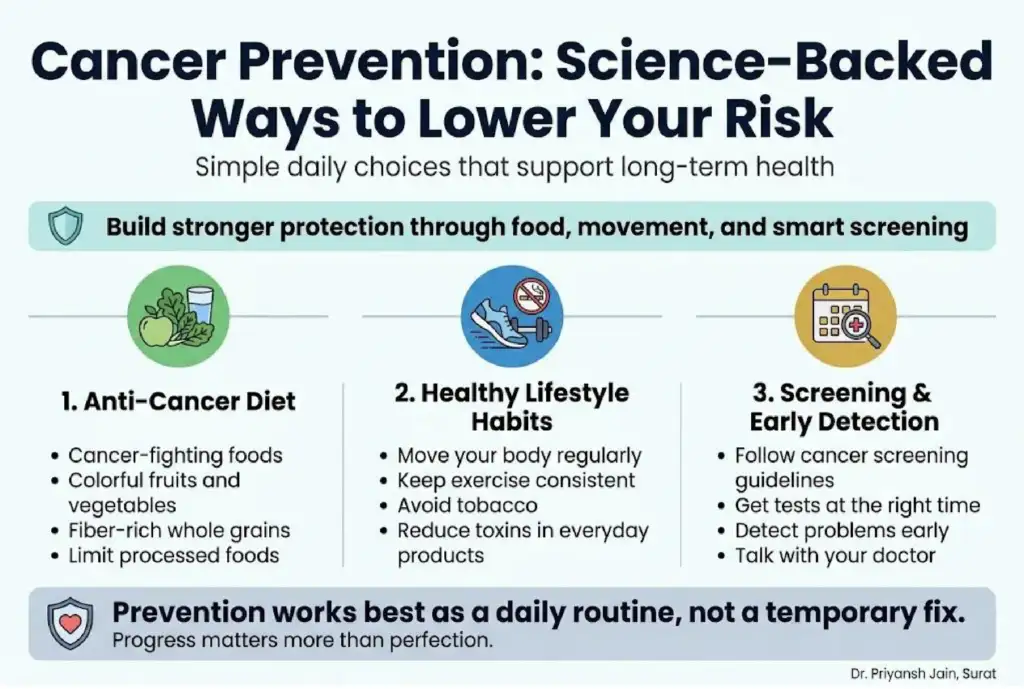
We’ll explore how to prevent cancer through three key areas that pack the biggest punch. First, you’ll discover cancer fighting foods and learn to build an anti cancer diet that tastes great and protects your cells. Next, we’ll cover the lifestyle habits that create your strongest defense – from exercise routines that fit your schedule to eliminating toxins hiding in everyday products. Finally, we’ll break down cancer screening guidelines so you know exactly when and what tests to get for early cancer detection.
Dr. Priyansh Jain from Surat emphasizes that cancer prevention strategies work best when they become part of your daily routine, not temporary fixes. These cancer prevention tips aren’t about perfection – they’re about progress you can actually stick with.
Ready to build your personal cancer prevention plan? Let’s start with understanding what puts you at risk and how to flip those odds in your favor.
Understand Your Risk Factors for Better Protection
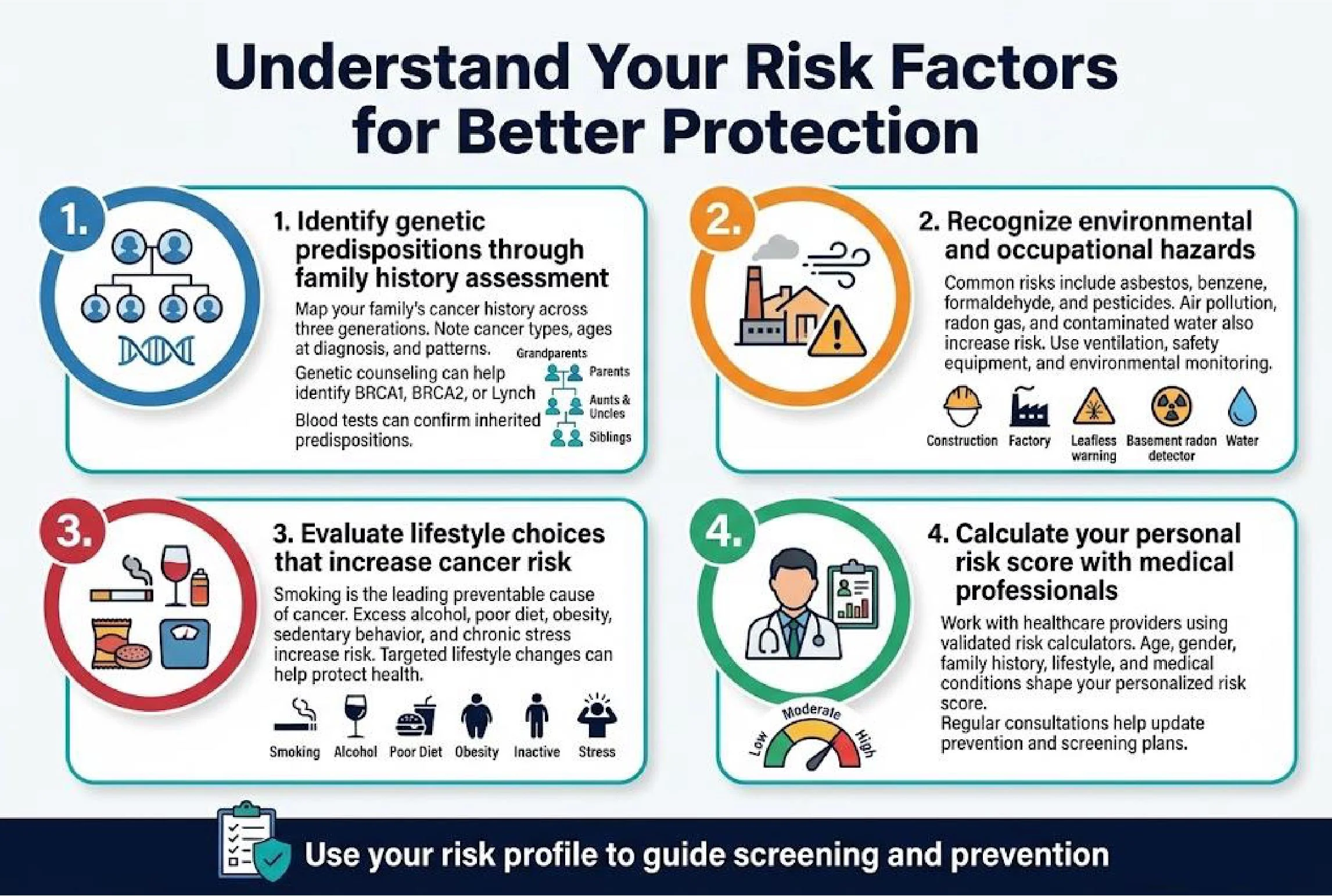
Identify genetic predispositions through family history assessment
Start by mapping out your family’s cancer history across three generations, including grandparents, parents, aunts, uncles, and siblings. Note specific cancer types, ages at diagnosis, and any patterns that emerge. Genetic counseling can help you understand whether inherited mutations like BRCA1, BRCA2, or Lynch syndrome run in your family. Blood tests can confirm genetic predispositions and guide your cancer prevention strategies accordingly.
Recognize environmental and occupational hazards
Your workplace and living environment expose you to various cancer risk factors daily. Asbestos, benzene, formaldehyde, and pesticides are common occupational carcinogens found in construction, manufacturing, and agricultural settings. Air pollution, radon gas in basements, and contaminated water sources also increase cancer risk. Review your exposure history and consider protective measures like proper ventilation, safety equipment, and regular monitoring of environmental toxins in your area.
Evaluate lifestyle choices that increase cancer risk
Smoking remains the leading preventable cause of cancer, linked to lung, bladder, and cervical cancers. Excessive alcohol consumption raises risks for liver, breast, and colorectal cancers. Poor diet high in processed meats and low in fruits and vegetables contributes to multiple cancer types. Obesity, sedentary behavior, and chronic stress weaken your immune system’s ability to fight abnormal cell growth and should be addressed through targeted lifestyle changes.
Calculate your personal risk score with medical professionals
Work with healthcare providers to assess your individual cancer risk using validated assessment tools and risk calculators. These evaluations consider your age, gender, family history, lifestyle factors, and medical conditions to generate personalized risk scores. Regular consultations help track changes in your risk profile over time and adjust prevention strategies. Your doctor can recommend specific screening schedules and preventive measures based on your calculated risk levels for different cancer types.
Transform Your Diet into a Powerful Cancer-Fighting Tool
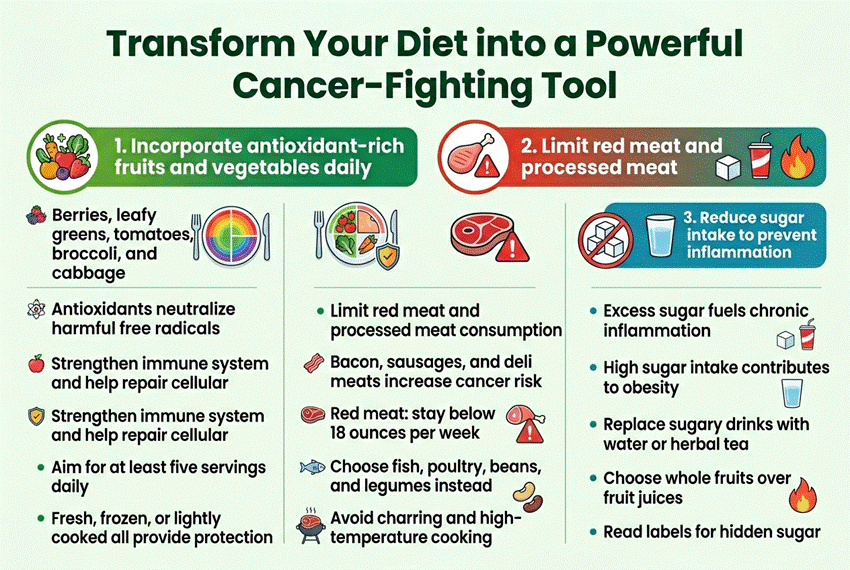
Incorporate antioxidant-rich fruits and vegetables daily
Your plate should burst with colorful fruits and vegetables packed with cancer-fighting compounds. Berries, leafy greens, tomatoes, and cruciferous vegetables like broccoli and cabbage contain powerful antioxidants that neutralize harmful free radicals in your body. These natural compounds strengthen your immune system and help repair cellular damage before it becomes cancerous. Aim for at least five servings daily, choosing a rainbow of colors to maximize your anti cancer diet benefits. Fresh, frozen, or lightly cooked options all provide excellent protection against various cancer types.
Limit red meat and processed meat consumption
Processed meats like bacon, sausages, and deli meats significantly increase your cancer risk, particularly for colorectal cancer. Red meat consumption should stay below 18 ounces per week to maintain optimal health. Choose lean proteins like fish, poultry, beans, and legumes instead. When you do eat red meat, opt for grass-fed varieties and avoid charring or high-temperature cooking methods that create harmful compounds. This simple dietary shift represents one of the most effective cancer prevention strategies you can implement immediately.
Reduce sugar intake to prevent inflammation
Excess sugar fuels chronic inflammation throughout your body, creating an environment where cancer cells thrive. High sugar intake also leads to obesity, which increases risk for multiple cancer types. Replace sugary drinks with water, herbal teas, or sparkling water with fresh fruit. Choose whole fruits over fruit juices, and read labels carefully since sugar hides in unexpected places like salad dressings and bread. Your natural cancer prevention efforts multiply when you maintain stable blood sugar levels and reduce inflammatory responses in your body.
Build Physical Activity Habits That Reduce Cancer Risk
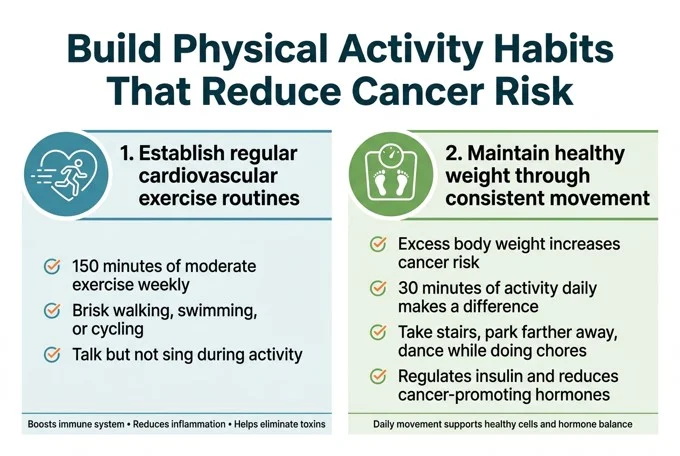
Establish regular cardiovascular exercise routines
Regular cardio workouts create a powerful defense against cancer by boosting your immune system and reducing inflammation throughout your body. Aim for 150 minutes of moderate exercise weekly – brisk walking, swimming, or cycling all work wonders. Your heart rate should increase enough that you can talk but not sing during the activity. This consistent movement helps your body eliminate toxins more efficiently while strengthening natural cancer-fighting mechanisms.
Maintain healthy weight through consistent movement
Excess body weight increases cancer risk by creating chronic inflammation and disrupting hormone balance. Daily movement doesn’t require gym memberships – take stairs instead of elevators, park farther away, or dance while doing household chores. Even 30 minutes of activity daily makes a significant difference. Weight management through regular physical activity helps regulate insulin levels and reduces the production of cancer-promoting hormones, creating an environment where healthy cells thrive.
Eliminate Harmful Substances from Your Daily Life
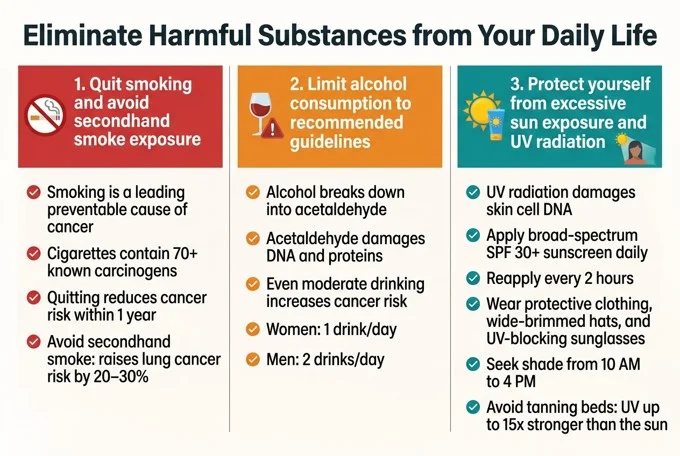
Quit smoking and avoid secondhand smoke exposure
Smoking remains the leading preventable cause of cancer, responsible for nearly 30% of cancer deaths. Cigarettes contain over 70 known carcinogens that damage DNA and trigger malignant cell growth. Quitting smoking dramatically reduces cancer risk within just one year, with benefits continuing to grow over time. Avoiding secondhand smoke is equally important, as it contains the same toxic chemicals and increases lung cancer risk by 20-30% in non-smokers.
Limit alcohol consumption to recommended guidelines
Alcohol breaks down into acetaldehyde, a toxic compound that damages DNA and proteins while preventing cellular repair mechanisms. Even moderate drinking increases risks for breast, liver, colorectal, and head-and-neck cancers. Women should limit intake to one drink per day, while men should cap consumption at two drinks daily. These cancer prevention strategies become even more effective when combined with other lifestyle changes to reduce cancer risk.
Protect yourself from excessive sun exposure and UV radiation
Ultraviolet radiation from sun exposure and tanning beds directly damages skin cell DNA, leading to melanoma and other skin cancers. Apply broad-spectrum SPF 30+ sunscreen daily, even on cloudy days, and reapply every two hours. Wear protective clothing, wide-brimmed hats, and UV-blocking sunglasses when outdoors. Seek shade during peak UV hours between 10 AM and 4 PM, and completely avoid tanning beds, which emit UV radiation up to 15 times stronger than the sun.
Strengthen Your Body’s Natural Defense Systems
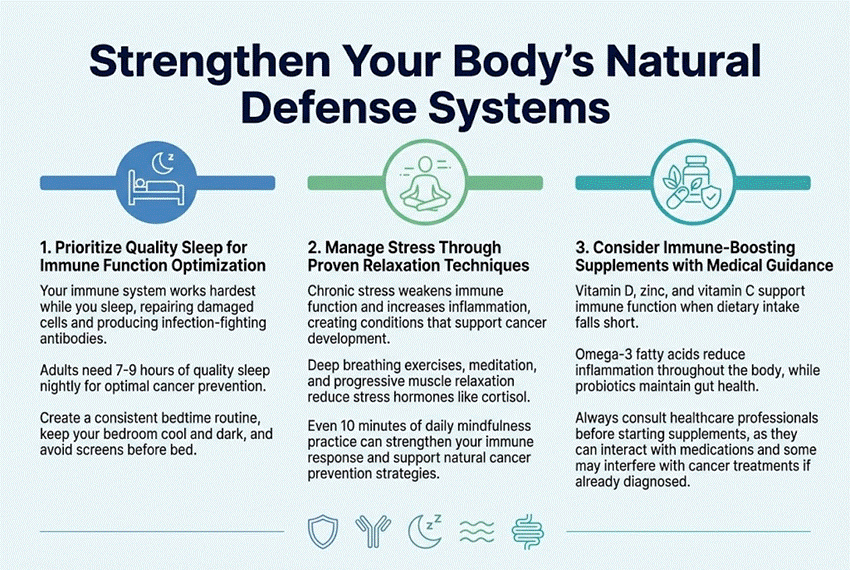
Prioritize Quality Sleep for Immune Function Optimization
Your immune system works hardest while you sleep, repairing damaged cells and producing infection-fighting antibodies. Adults need 7-9 hours of quality sleep nightly for optimal cancer prevention. Create a consistent bedtime routine, keep your bedroom cool and dark, and avoid screens before bed to maximize your body’s natural defense mechanisms.
Manage Stress Through Proven Relaxation Techniques
Chronic stress weakens immune function and increases inflammation, creating conditions that support cancer development. Deep breathing exercises, meditation, and progressive muscle relaxation activate your parasympathetic nervous system, reducing stress hormones like cortisol. Even 10 minutes of daily mindfulness practice can significantly strengthen your immune response and support natural cancer prevention strategies.
Consider Immune-Boosting Supplements with Medical Guidance
Vitamin D, zinc, and vitamin C support immune function when dietary intake falls short. Omega-3 fatty acids reduce inflammation throughout the body, while probiotics maintain gut health – where 70% of immune cells reside. Always consult healthcare professionals before starting supplements, as they can interact with medications and some may interfere with cancer treatments if already diagnosed.
Schedule Regular Screenings for Early Detection
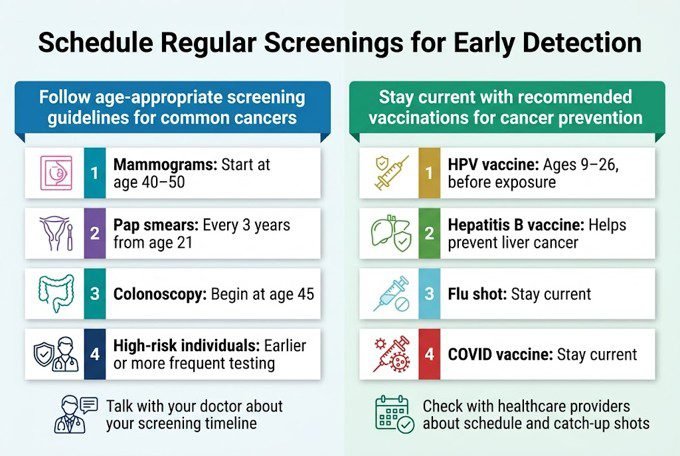
Follow age-appropriate screening guidelines for common cancers
Regular cancer screening guidelines save lives by catching tumors before symptoms appear. Women should get mammograms starting at age 40-50, Pap smears every three years from age 21, and colonoscopies beginning at 45. Men need prostate screenings after 50 and the same colonoscopy schedule. High-risk individuals with family history might need earlier or more frequent testing. Talk with your doctor about personalizing your screening timeline based on your specific risk factors and medical history.
Stay current with recommended vaccinations for cancer prevention
Vaccines protect against cancer-causing infections that many people don’t realize exist. The HPV vaccine prevents cervical, anal, and throat cancers when given before exposure, typically between ages 9-26. Hepatitis B vaccination shields your liver from chronic infection that leads to liver cancer. Adults should also maintain current flu shots and COVID vaccines, as these infections can weaken immune systems. Check with healthcare providers about vaccine schedules and catch-up shots you might have missed.
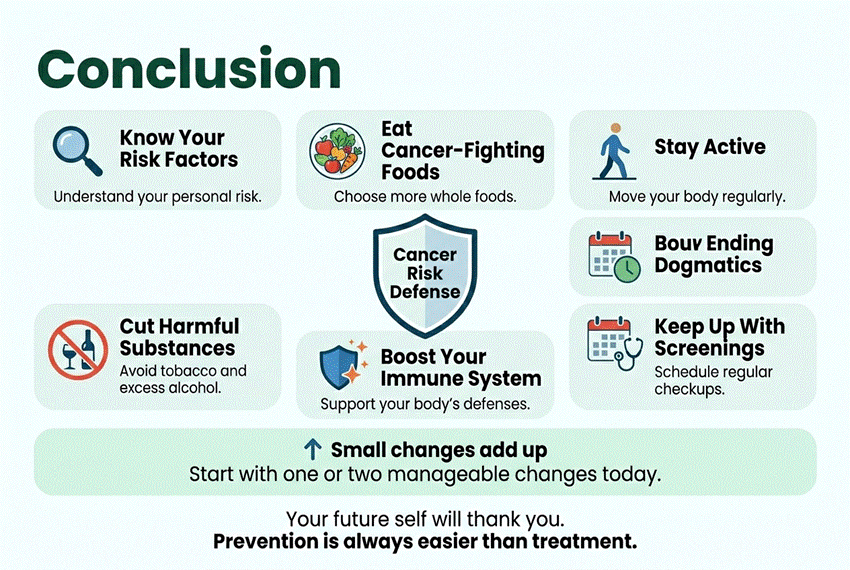
Taking control of your cancer risk doesn’t have to feel overwhelming. The steps we’ve covered – knowing your personal risk factors, eating cancer-fighting foods, staying active, cutting out harmful substances, boosting your immune system, and keeping up with screenings – work together to create a strong defense against cancer. Small changes in each area can add up to make a real difference in your long-term health.
Start with one or two changes that feel manageable right now. Maybe that’s swapping out processed foods for more fruits and vegetables, or finally scheduling that overdue checkup. Your future self will thank you for every healthy choice you make today, and remember that prevention is always easier than treatment when it comes to cancer.
Also read,
Dr Priyansh Jain
Surgical Oncologist (Oncosurgeon)
Naman Cancer Clinic & Research Centre, Surat
Also read: Advanced Oncoplastic Breast Surgery with LICAP & LTAP Flaps
Also read: Breast Conservation Surgery with MICAP Flap Reconstruction for Breast Cancer