Onco Physiotherapy and Rehabilitation: Complete Recovery Guide After Cancer Treatment
Onco Physiotherapy and Rehabilitation: Understanding Cancer Treatment Side Effects
Restore Strength, Improve Mobility, Reduce Pain, and Enhance Recovery with Expert Onco Physiotherapy and Rehabilitation
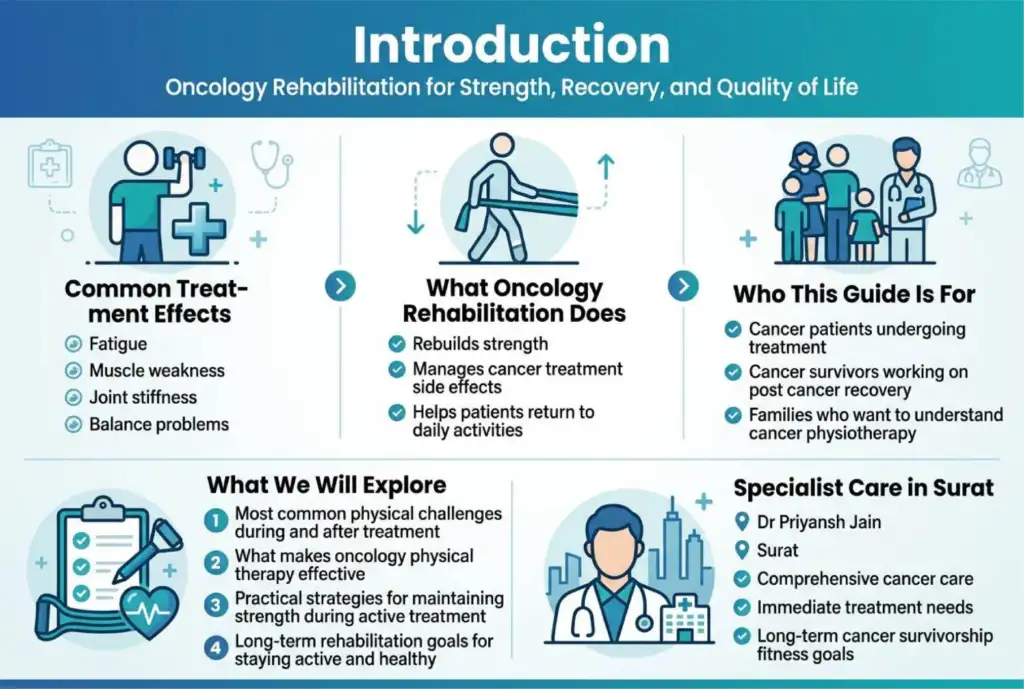
Cancer treatment saves lives, but it often leaves patients dealing with fatigue, muscle weakness, joint stiffness, and balance problems that can last months or even years. Oncology rehabilitation helps cancer patients and survivors rebuild their strength, manage cancer treatment side effects, and get back to doing the activities they love.
This guide is for cancer patients currently undergoing treatment, survivors working on post cancer recovery, and their families who want to understand how cancer physiotherapy can improve quality of life and physical function.
We’ll explore the most common physical challenges cancer patients face during and after treatment, break down what makes oncology physical therapy programs effective, and show you practical strategies for maintaining strength during active treatment. You’ll also learn about long-term rehabilitation goals that help cancer survivors stay active and healthy for years to come.
Dr Priyansh Jain in Surat specializes in comprehensive cancer care that addresses both immediate treatment needs and long-term cancer survivorship fitness goals.
Understanding Cancer Treatment Side Effects and Physical Challenges
Fatigue and Energy Depletion During Cancer Therapy
Cancer treatments like chemotherapy and radiation therapy drain the body’s energy reserves, leaving patients feeling exhausted even after minimal activity. This cancer-related fatigue differs from normal tiredness – it doesn’t improve with rest and can persist for months. Oncology physical therapy helps patients manage energy levels through paced activity programs and gentle exercise routines that gradually rebuild stamina without overwhelming the body’s healing processes.
Muscle Weakness and Bone Density Loss
Chemotherapy drugs and prolonged bed rest during cancer treatment cause significant muscle wasting and bone weakening. Patients often lose up to 25% of their muscle mass within weeks of starting treatment. Cancer physiotherapy programs focus on resistance exercises and weight-bearing activities that help maintain bone density and prevent further muscle deterioration. Early intervention with targeted strengthening exercises can reduce the risk of fractures and improve overall treatment outcomes.
Joint Stiffness and Mobility Restrictions
Cancer patients frequently develop joint stiffness due to inflammation, surgical procedures, and reduced movement during treatment. Scar tissue formation after surgery can limit range of motion in affected areas. Radiation therapy can also cause tissue fibrosis that restricts movement. Oncology rehabilitation specialists use manual therapy techniques, stretching protocols, and mobility exercises to restore flexibility and prevent permanent joint restrictions that could impact daily activities.
Balance and Coordination Problems
Many cancer treatments affect the nervous system, leading to peripheral neuropathy that impairs sensation in hands and feet. Chemotherapy-induced neuropathy creates numbness and tingling that makes walking unsteady and increases fall risk. Brain tumors and their treatments can directly impact balance centers. Cancer rehab exercises include proprioceptive training and balance challenges that help patients regain stability and confidence in movement, reducing injury risk during recovery.
Essential Components of Oncology Physiotherapy Programs
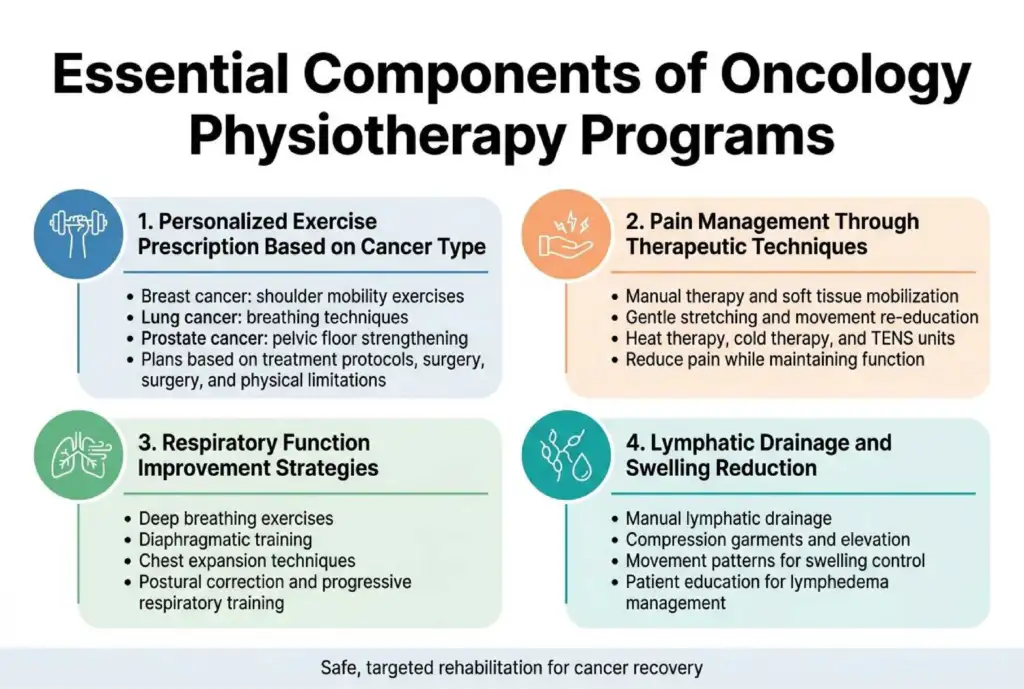
Personalized Exercise Prescription Based on Cancer Type
Different cancer types require tailored oncology rehabilitation approaches. Breast cancer patients need specific shoulder mobility exercises, while lung cancer survivors benefit from breathing techniques. Prostate cancer treatment may affect pelvic floor function, requiring targeted strengthening programs. Each cancer physiotherapy plan considers treatment protocols, surgical interventions, and individual physical limitations to create effective, safe exercise prescriptions.
Pain Management Through Therapeutic Techniques
Cancer treatment side effects often include chronic pain that impacts daily activities. Manual therapy, soft tissue mobilization, and gentle stretching help reduce discomfort. Heat therapy, cold therapy, and TENS units provide additional pain relief. Oncology physical therapy combines these modalities with movement re-education to address pain patterns while maintaining function throughout treatment and recovery phases.
Respiratory Function Improvement Strategies
Chemotherapy physical therapy and radiation therapy rehabilitation frequently address breathing difficulties. Deep breathing exercises, diaphragmatic training, and chest expansion techniques help restore lung capacity. Postural correction exercises combat the forward head position common after treatment. Progressive respiratory training builds endurance while reducing shortness of breath, enabling cancer survivors to regain confidence in physical activities.
Lymphatic Drainage and Swelling Reduction
Lymphedema management forms a critical component of cancer rehab exercises, particularly after lymph node removal. Manual lymphatic drainage techniques promote fluid circulation and reduce swelling. Compression garments, elevation strategies, and specific movement patterns support long-term swelling control. Cancer patient mobility improves significantly when lymphatic complications are properly addressed through specialized physiotherapy interventions and patient education programs.
Building Physical Strength During Active Treatment
Safe Resistance Training Protocols for Cancer Patients
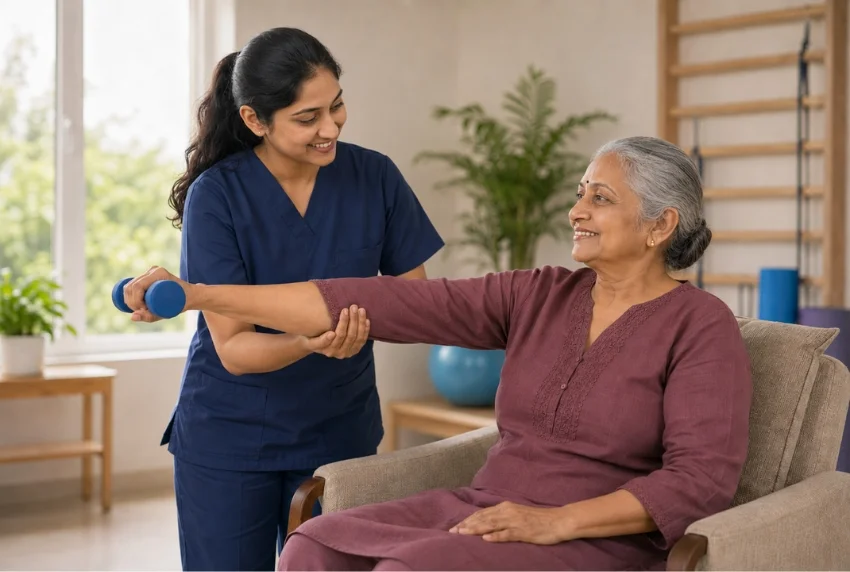
Cancer physiotherapy during active treatment requires carefully modified resistance protocols that respect your body’s changing capacity. Light weights, resistance bands, and bodyweight exercises form the foundation of safe strength building. Your oncology rehabilitation program should start with 40-60% of your pre-treatment capacity, progressing gradually based on energy levels and treatment schedules. Never train through severe fatigue or on high-symptom days – your body needs that energy for healing.
Cardiovascular Conditioning Without Overwhelming the System
Gentle cardio keeps your heart strong without depleting precious energy reserves during chemotherapy physical therapy. Walking remains the gold standard – start with 5-10 minutes daily and build slowly. Swimming offers excellent low-impact conditioning, while stationary cycling allows easy intensity control. Monitor your perceived exertion rather than heart rate, as cancer treatments can affect normal cardiac responses. Rest days are just as important as activity days.
Flexibility and Range of Motion Maintenance Exercises
Cancer patient mobility depends heavily on maintaining joint flexibility throughout treatment cycles. Daily gentle stretching prevents the stiffness that often accompanies prolonged rest periods and certain medications. Focus on major muscle groups – shoulders, hips, and spine receive priority attention. Yoga-inspired movements work wonderfully, combining stretch with mindful breathing. Hold stretches for 15-30 seconds without forcing range of motion, especially around surgical sites or radiation therapy areas.
Post-Treatment Recovery and Long-Term Rehabilitation Goals
Restoring Pre-Cancer Fitness Levels Safely
Post cancer recovery requires a gradual approach to rebuilding physical capacity. Cancer physiotherapy programs focus on progressive exercise protocols that respect your body’s healing timeline while steadily improving cardiovascular endurance, muscle strength, and flexibility. Starting with low-intensity activities and monitoring fatigue levels helps prevent overexertion during this critical recovery phase.
Preventing Treatment-Related Complications
Oncology rehabilitation actively addresses long-term complications like lymphedema, peripheral neuropathy, and bone density loss. Regular movement patterns and targeted exercises help maintain joint mobility, reduce swelling, and improve circulation. Early intervention through specialized cancer rehab exercises significantly reduces the risk of developing chronic conditions that commonly affect cancer survivors years after treatment completion.
Addressing Surgical Site Healing and Scar Tissue Management
Surgical recovery involves careful tissue mobilization to prevent adhesions and restore normal movement patterns. Manual therapy techniques combined with specific stretching protocols help break down restrictive scar tissue while promoting healthy collagen formation. This approach ensures surgical sites heal properly while maintaining optimal range of motion and preventing compensatory movement patterns that could lead to future injuries.
Rebuilding Confidence in Physical Abilities
Cancer survivorship fitness programs focus on restoring trust in your body’s capabilities. Graduated exposure to physical activities, combined with education about safe exercise limits, helps overcome fear-based movement patterns. Building confidence through achievable goals and celebrating small victories creates a positive relationship with physical activity that supports long-term health and quality of life improvements.
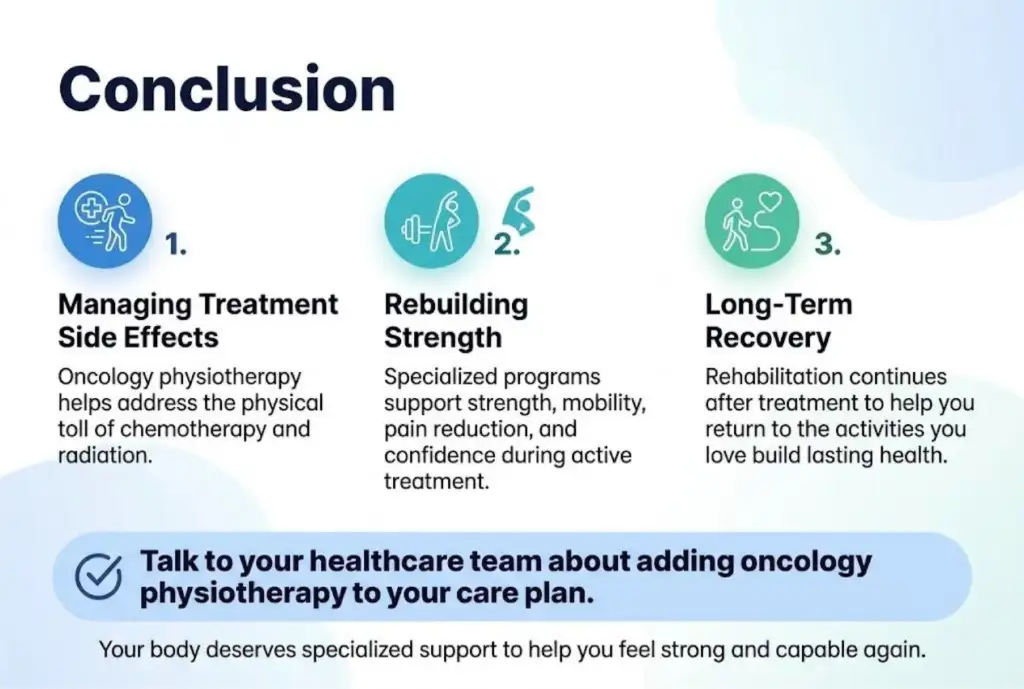
Cancer treatment takes a real toll on your body, but oncology physiotherapy can be a game-changer in your recovery journey. From managing the side effects of chemotherapy and radiation to rebuilding strength during active treatment, these specialized programs address the unique physical challenges cancer patients face. The right physiotherapy approach helps you maintain mobility, reduce pain, and regain confidence in your body’s abilities.
Recovery doesn’t end when treatment stops. Long-term rehabilitation goals focus on getting you back to activities you love and building a foundation for lasting health. If you’re currently undergoing cancer treatment or recently finished, talk to your healthcare team about adding oncology physiotherapy to your care plan. Your body has been through a lot, and it deserves the specialized support that can help you feel strong and capable again.
Also read,
Dr Priyansh Jain
Surgical Oncologist (Oncosurgeon)
Naman Cancer Clinic & Research Centre, Surat
Also read: Advanced Oncoplastic Breast Surgery with LICAP & LTAP Flaps
Also read: Breast Conservation Surgery with MICAP Flap Reconstruction for Breast Cancer