Cancer Diet: 15 Powerful Foods for Prevention and Faster Recovery
Learn how a balanced cancer diet supports treatment, recovery, immunity, and long-term health
Cancer Diet plays a vital role in cancer prevention, treatment support, and faster recovery by providing essential nutrients that strengthen immunity, reduce inflammation, and improve overall well-being.
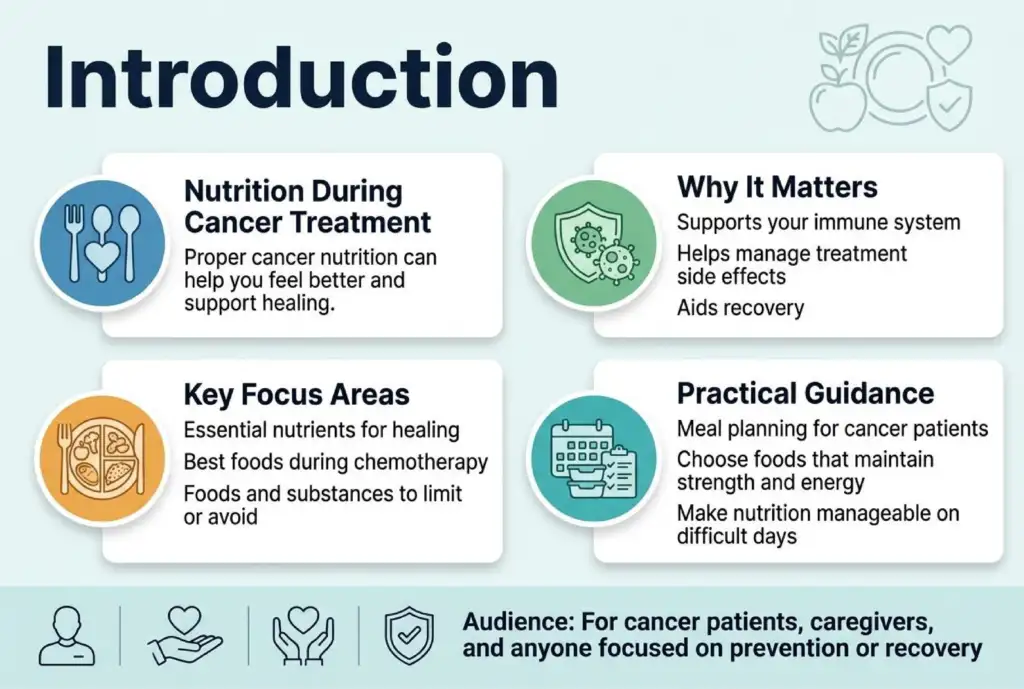
Proper cancer diet can make a real difference in how you feel during treatment and your body’s ability to heal. This guide is for cancer patients, their caregivers, and anyone wanting to understand how diet impacts cancer prevention and recovery.
Cancer diet isn’t just about eating healthy – it’s about giving your body the right fuel when it needs it most. The foods you choose can help manage treatment side effects, support your immune system, and aid in your recovery journey.
We’ll cover the essential nutrients your body needs to fight cancer and heal properly. You’ll learn which foods to embrace during cancer treatment, including the best foods during chemotherapy that can help you maintain strength and energy. We’ll also discuss foods and substances to limit or avoid, plus practical meal planning for cancer patients that makes diet manageable even on difficult days.
Whether you’re currently in treatment, supporting a loved one, or focused on cancer prevention, understanding these diet fundamentals can help you make informed choices about your health.
Essential Nutrients for Cancer Prevention and Recovery
Antioxidant-rich foods that fight free radicals
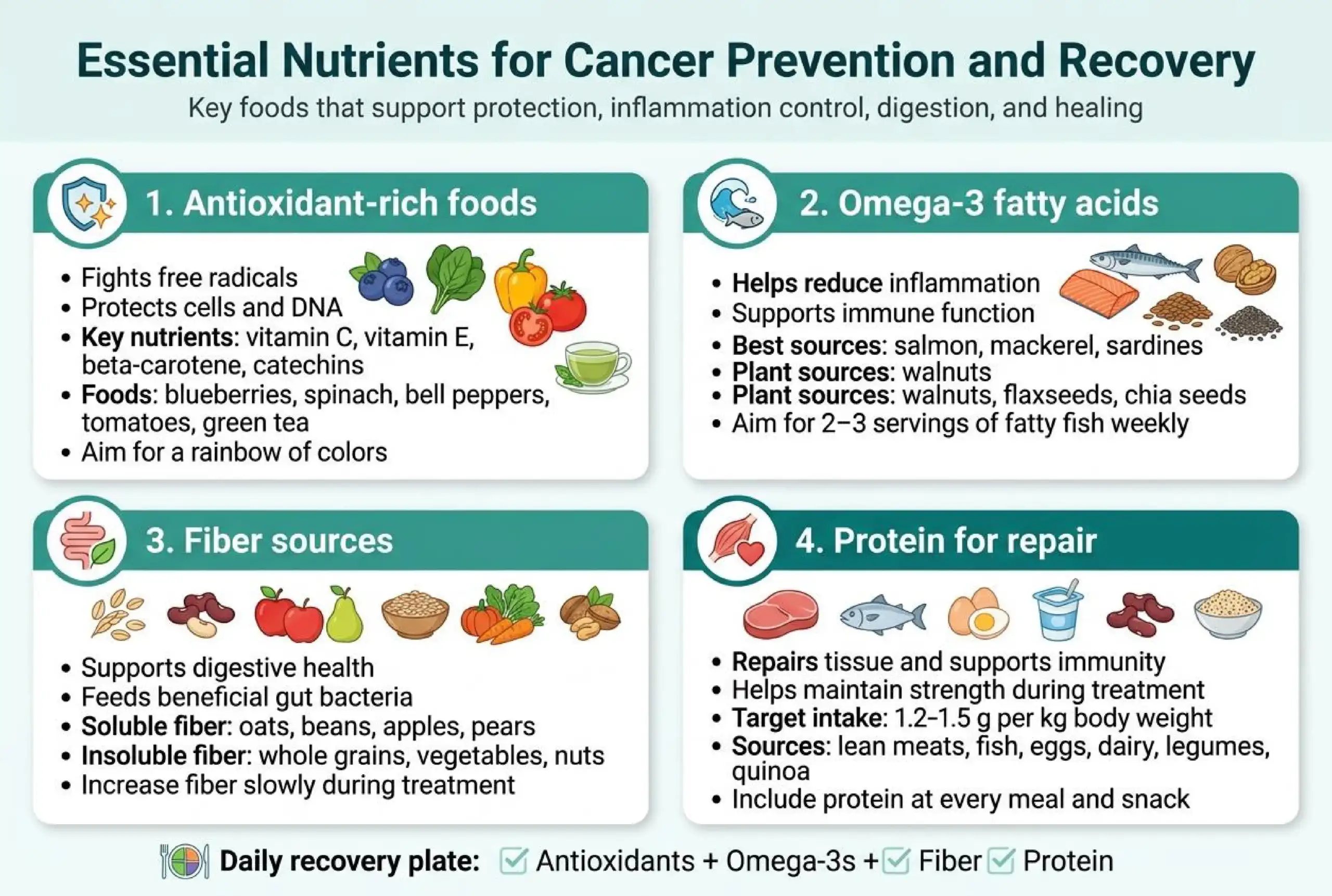
Antioxidants act like your body’s personal security team, protecting cells from damage that can lead to cancer. Berries, dark leafy greens, and colorful vegetables pack powerful antioxidants like vitamin C, vitamin E, and beta-carotene. These compounds neutralize harmful free radicals that damage DNA and promote tumor growth. Include blueberries, spinach, bell peppers, and tomatoes in your daily meals. Green tea contains catechins, potent antioxidants that research shows may help prevent various cancers. Aim for a rainbow of colors on your plate to maximize antioxidant intake.
Omega-3 fatty acids for reducing inflammation
Chronic inflammation creates an environment where cancer cells thrive, making omega-3 fatty acids essential for cancer diet. These healthy fats reduce inflammatory markers and support immune function during cancer treatment. Fatty fish like salmon, mackerel, and sardines provide the highest concentrations of EPA and DHA omega-3s. Plant-based sources include walnuts, flaxseeds, and chia seeds, though they contain ALA which converts less efficiently to active forms. Cancer patients should aim for 2-3 servings of fatty fish weekly or consider high-quality fish oil supplements under medical supervision.
Fiber sources that support digestive health
Cancer treatments often disrupt digestive function, making fiber crucial for maintaining gut health and supporting the immune system. Soluble fiber feeds beneficial gut bacteria that help fight cancer cells, while insoluble fiber promotes regular bowel movements and toxin elimination. Oats, beans, apples, and pears provide soluble fiber, while whole grains, vegetables, and nuts offer insoluble varieties. Start slowly with fiber increases during treatment to avoid digestive discomfort. A healthy gut microbiome supports immune function and may improve treatment outcomes for cancer patients following proper diet protocols.
Protein requirements for tissue repair and immune function
Cancer and its treatments break down muscle tissue and weaken immune defenses, making adequate protein intake absolutely critical for recovery. Cancer patients need 1.2-1.5 grams of protein per kilogram of body weight, significantly higher than healthy individuals. High-quality protein sources include lean meats, fish, eggs, dairy products, legumes, and quinoa. These foods provide essential amino acids needed to rebuild damaged tissues and produce immune cells. During chemotherapy, protein helps maintain strength and energy levels. Include protein at every meal and snack to support your body’s healing process throughout cancer treatment.
Foods to Embrace During Cancer Treatment
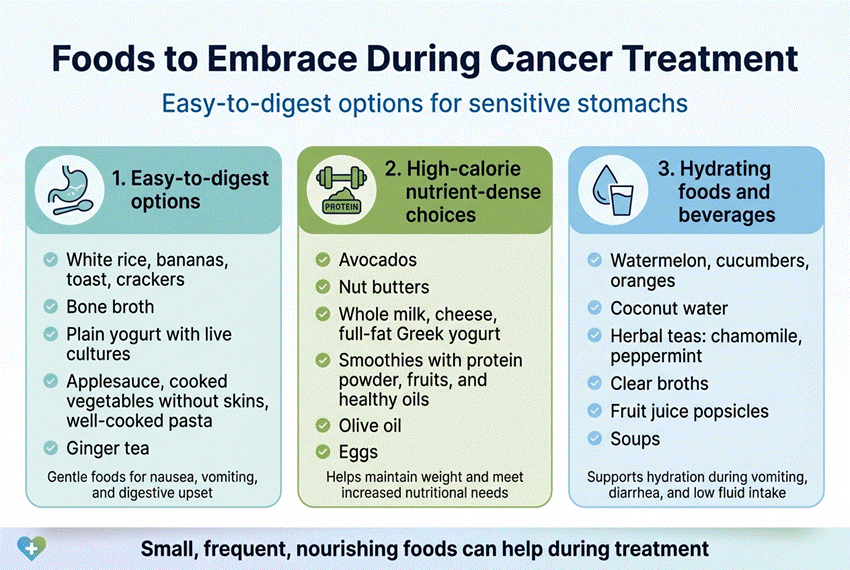
Easy-to-digest options for sensitive stomachs
Cancer treatment often causes nausea, vomiting, and digestive upset, making gentle foods essential for cancer patients. White rice, bananas, toast, and crackers provide easily absorbed carbohydrates without overwhelming the digestive system. Bone broth offers protein and electrolytes while being soothing to irritated stomachs. Plain yogurt with live cultures can help restore beneficial gut bacteria disrupted by chemotherapy. Applesauce, cooked vegetables without skins, and well-cooked pasta digest smoothly during treatment. Ginger tea naturally reduces nausea and promotes digestion. These cancer diet choices help patients maintain caloric intake when appetite is compromised.
High-calorie nutrient-dense choices for maintaining weight
Weight loss during cancer treatment can weaken the immune system and slow recovery. Nutrient-dense, calorie-rich foods become crucial for cancer patients struggling to maintain their weight. Avocados pack healthy fats and calories into small servings, while nut butters provide protein and energy in concentrated doses. Whole milk, cheese, and full-fat Greek yogurt deliver both calories and protein. Smoothies blended with protein powder, fruits, and healthy oils create easily consumed diet. Olive oil drizzled on foods adds calories without bulk. Eggs offer complete protein in versatile preparations. These cancer diet strategies help patients meet their increased dietal needs during treatment.
Hydrating foods and beverages for treatment side effects
Dehydration commonly occurs during cancer treatment due to vomiting, diarrhea, and reduced fluid intake. Water-rich foods help cancer patients stay hydrated while providing essential nutrients. Watermelon, cucumbers, and oranges contain high water content plus vitamins and minerals. Coconut water replenishes electrolytes naturally without artificial additives. Herbal teas like chamomile and peppermint provide hydration while soothing digestive issues. Clear broths deliver fluids and sodium to maintain electrolyte balance. Popsicles made from real fruit juices offer hydration when swallowing becomes difficult. Soups combine hydration with diet, making them ideal for managing cancer treatment side effects through diet.
Foods and Substances to Limit or Avoid
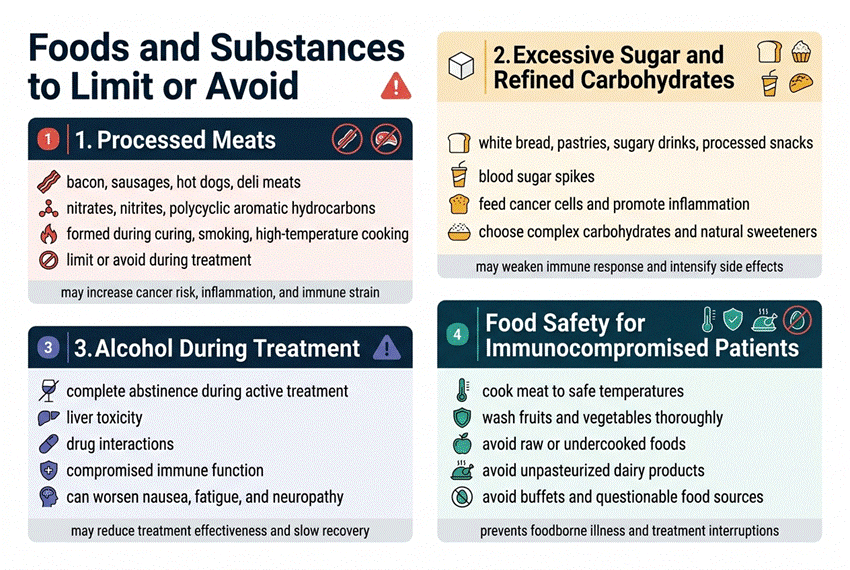
Processed Meats and Their Cancer-Promoting Compounds
Processed meats like bacon, sausages, hot dogs, and deli meats contain nitrates, nitrites, and polycyclic aromatic hydrocarbons that increase cancer risk. These compounds form during curing, smoking, and high-temperature cooking. Cancer patients should avoid or significantly limit these foods, as they can worsen inflammation and interfere with treatment effectiveness while compromising immune function.
Excessive Sugar and Refined Carbohydrates
High sugar intake and refined carbohydrates create blood sugar spikes that feed cancer cells and promote inflammation. White bread, pastries, sugary drinks, and processed snacks should be minimized in any cancer diet. These foods also weaken immune response and can intensify chemotherapy side effects. Focus on complex carbohydrates and natural sweeteners to maintain stable energy levels during treatment.
Alcohol Consumption Guidelines During Treatment
Alcohol consumption during cancer treatment poses serious risks, including liver toxicity, drug interactions, and compromised immune function. Most oncologists recommend complete abstinence during active treatment, especially chemotherapy and radiation. Alcohol can intensify side effects like nausea, fatigue, and neuropathy while reducing treatment effectiveness. Even moderate consumption may interfere with cancer recovery diet and healing processes.
Food Safety Concerns for Immunocompromised Patients
Cancer patients undergoing treatment face heightened infection risks due to weakened immune systems. Raw or undercooked foods, unpasteurized dairy products, and unwashed produce can harbor dangerous bacteria. Always cook meat to safe temperatures, wash fruits and vegetables thoroughly, and avoid buffets or questionable food sources. Proper food handling becomes critical for cancer patients to prevent foodborne illnesses that could interrupt treatment schedules.
Meal Planning and Preparation Tips for Cancer Patients
Batch cooking strategies for low-energy days
Prepare large portions of nutrient-dense meals like vegetable soups, casseroles, and grain bowls when you’re feeling strong. Freeze individual servings in portion-sized containers for easy reheating during chemotherapy cycles or low-energy periods. Cook proteins in bulk and shred or dice them for quick meal assembly throughout the week.
Simple recipes that maximize nutritional value
Focus on one-pot meals combining lean proteins, colorful vegetables, and whole grains. Smoothies packed with leafy greens, protein powder, and anti-cancer foods like berries offer maximum nutrition with minimal preparation. Sheet pan dinners with salmon, sweet potatoes, and broccoli provide essential nutrients while requiring just 30 minutes of hands-off cooking time.
Creating appealing meals when appetite is poor
Small, frequent meals work better than large portions when managing cancer treatment side effects through diet. Add flavor enhancers like fresh herbs, citrus zest, or ginger to combat taste changes. Present colorful, visually appealing plates with varied textures. Keep favorite comfort foods modified with extra nutrients – add protein powder to oatmeal or blend vegetables into familiar sauces for better diet during cancer treatment.
Conclusion
Good diet can make a real difference when facing cancer, both for prevention and during treatment. The right balance of essential nutrients helps your body stay strong and fight back, while anti-inflammatory foods like leafy greens, berries, and fatty fish can support your immune system. During treatment, focus on easy-to-digest proteins, stay hydrated, and listen to what your body can handle – some days that might mean simple broths, other days you might crave heartier meals.
Planning ahead makes everything easier when you’re dealing with treatment fatigue. Stock your freezer with pre-made meals, keep simple snacks on hand, and don’t hesitate to ask friends and family for help with meal prep. Remember that every small step toward better diet counts, even on tough days. Talk with your healthcare team about what works best for your specific situation – they can help you create a plan that fits your treatment schedule and keeps you nourished throughout your journey.
Also read,
Dr Priyansh Jain
Surgical Oncologist (Oncosurgeon)
Naman Cancer Clinic & Research Centre, Surat
Also read: Advanced Oncoplastic Breast Surgery with LICAP & LTAP Flaps
Also read: Breast Conservation Surgery with MICAP Flap Reconstruction for Breast Cancer