
Breast Cancer Symptoms, Causes, Diagnosis & Advanced Treatment
Breast cancer is the most common cancer affecting women globally and remains a major health concern in India. It contributes to nearly 27% of all female cancer cases, with an incidence rate of around 25.8 per 100,000 women. Despite medical progress, many cases are still diagnosed at later stages due to limited awareness and inadequate screening practices.
Gaining proper knowledge about breast cancer—its symptoms, causes, risk factors, and treatment options—is essential for early detection, prevention, and improved survival outcomes.
Breast Cancer Treatment in Surat
At Naman Cancer Clinic & Research Centre, led by Dr. Priyansh Jain, patients receive comprehensive and advanced cancer care. The clinic focuses on early detection through modern diagnostic techniques and personalized treatment plans.
Regular screening and preventive care can reduce breast cancer risk by up to 30%, making timely medical consultation crucial for better outcomes.
What is Breast Cancer?
Breast cancer is a disease in which abnormal cells in the breast begin to grow uncontrollably, forming a tumor. These cancerous cells can invade nearby tissues and may spread to other parts of the body if not treated promptly. Different types of breast cancer require customized treatment strategies.
What Happens in Breast Cancer?
Breast cancer develops due to genetic mutations that transform healthy cells into abnormal ones. These cells multiply rapidly, leading to tumor formation and noticeable changes in the breast’s shape, texture, or appearance over time.
Types of Breast Cancer
Early detection significantly increases the chances of successful treatment. Common symptoms include
Ductal Carcinoma In Situ (DCIS):
A non-invasive cancer confined to milk ducts
Invasive Ductal Carcinoma (IDC):
The most common type, spreading to surrounding tissues
Invasive Lobular Carcinoma (ILC):
Begins in milk-producing glands and spreads outward
Inflammatory Breast Cancer (IBC):
A rare and aggressive form causing redness and swelling
Triple-Negative Breast Cancer (TNBC):
A complex type lacking hormone receptors
Breast Cancer Symptoms and Warning Signs
Early detection significantly increases the chances of successful treatment. Common symptoms include
Lump in the breast or underarm
Changes in breast size, shape, or skin texture
Nipple discharge (other than breast milk)
Nipple inversion or persistent pain
Redness, swelling, or dimpling of the breast skin
How to Check for Breast Cancer at Home
Regular self-examination is a simple yet effective way to detect early signs:
Visual Examination
Stand in front of a mirror and observe any visible changes in breast size, shape, or skin condition.
Physical Examination
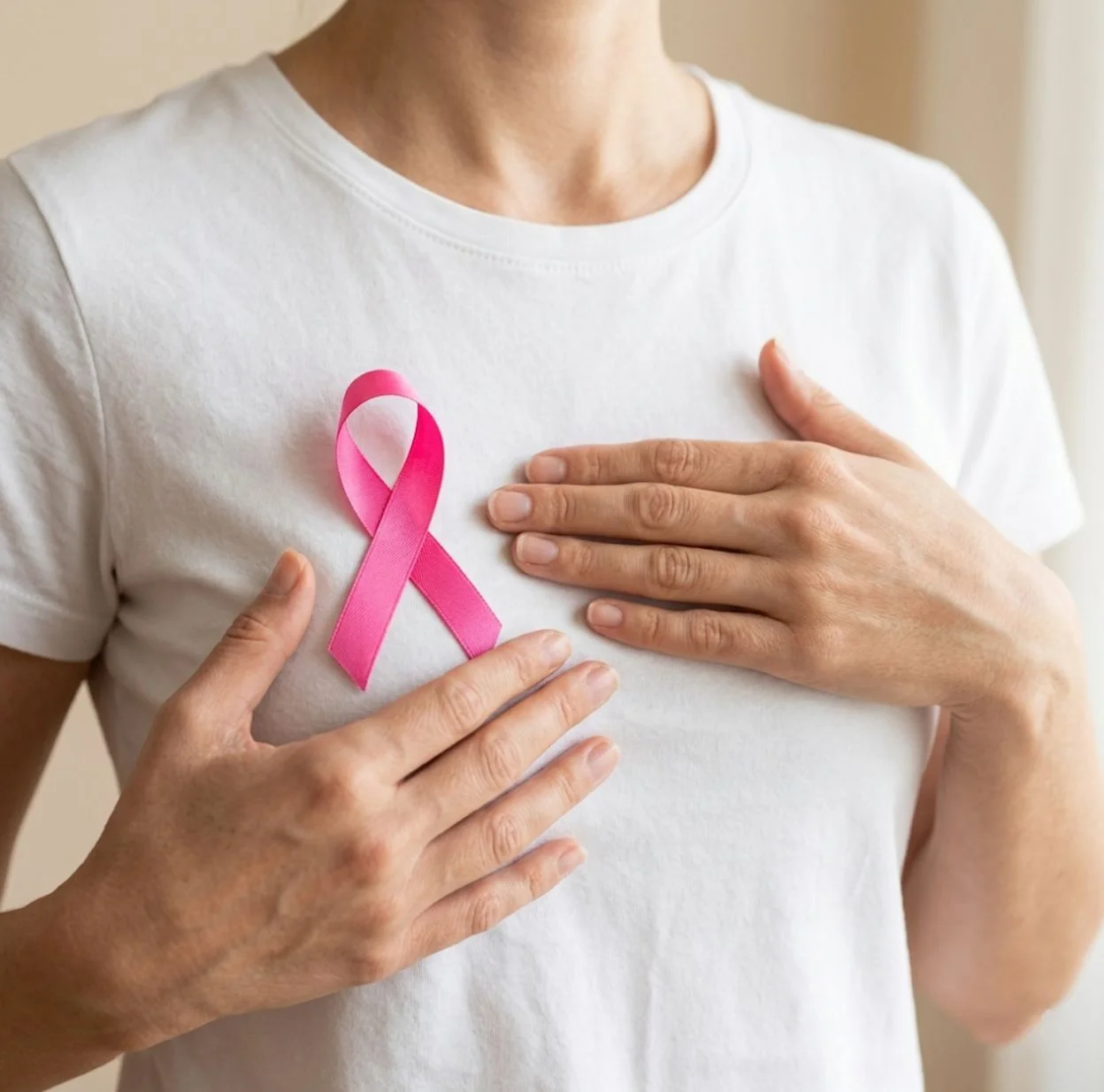
Use your fingertips to gently check for lumps or abnormalities in a circular motion, covering the entire breast and underarm area.
If any unusual changes are noticed, seek medical advice without delay.
Breast Cancer Risk Factors
Breast cancer can occur due to a combination of genetic, environmental, and lifestyle factors:
- Age: Risk increases after the age of 50
- Genetics: BRCA1 and BRCA2 gene mutations
- Lifestyle: Obesity, smoking, and alcohol consumption
- Hormonal Therapy: Long-term hormone replacement therapy
Is Breast Cancer Hereditary?
Yes, in some cases. Individuals with a family history of breast cancer may have a higher risk. Dr. Priyansh Jain provides expert guidance and genetic counseling to assess hereditary risks.
Screening and Prevention of Breast Cancer
Early screening plays a key role in prevention and timely diagnosis.
Screening Methods
- Mammography (breast X-ray)
- Clinical breast examination
- Genetic testing for high-risk individuals
Prevention Tips
- Maintain a healthy weight
- Stay physically active
- Limit alcohol consumption
- Avoid tobacco use
- Discuss hormone therapy risks with a doctor
How to Detect Breast Cancer Early
Early detection can save lives. Key steps include:
- Being aware of warning signs
- Undergoing regular mammograms (especially after 40)
- Routine health check-ups
- Genetic counseling for high-risk individuals
At Naman Cancer Clinic & Research Centre, advanced diagnostic tools ensure accurate and early detection.
Stages of Breast Cancer
Breast cancer is classified into stages based on its progression:
- Stage 0: Non-invasive cancer (DCIS)
- Stage 1–3: Localized cancer with increasing spread
- Stage 4: Metastatic cancer (spread to other organs)
Is Stage 3 Breast Cancer Curable?
Stage 3 breast cancer is advanced but can often be treated effectively. With modern therapies, long-term remission is possible in many cases.
Diagnosis of Breast Cancer
Accurate diagnosis is essential for effective treatment planning. Common diagnostic methods include:
- Mammogram and ultrasound
- Biopsy (tissue analysis)
- MRI scans for detailed imaging
- Genetic testing
Can Breast Cancer Be Cured?
Yes, breast cancer is highly treatable, especially when detected early. Even advanced stages can be managed with modern treatment techniques, significantly improving survival rates and quality of life.
Breast Cancer Treatment Options
Treatment depends on the type, stage, and overall health of the patient. Common options include:
Surgery:
Lumpectomy or mastectomy
Chemotherapy:
Safe and effective cancer drug therapy
Radiation Therapy:
Targeted destruction of cancer cells
Targeted Therapy:
For specific cancer markers like HER2
Immunotherapy:
Boosts the body’s immune system
Hormonal Therapy:
Blocks hormone-driven cancer growth
Breast Cancer in Men
Although rare, men can also develop breast cancer. Symptoms include lumps, nipple discharge, or changes in the chest area. Early diagnosis is equally important for effective treatment.
Survival, Care & Support
Comprehensive cancer care includes emotional and physical support. Services such as:
- Psychological counseling
- Nutritional guidance
- Rehabilitation support
help patients manage treatment side effects and improve overall well-being.
Why Choose Naman Cancer Clinic & Research Centre?
Naman Cancer Clinic & Research Centre is a trusted name for cancer treatment in Surat, offering:
- Advanced diagnostic and treatment facilities
- Personalized care plans
- Modern chemotherapy and targeted therapies
- Expertise of Dr. Priyansh Jain
- Multidisciplinary approach with holistic patient support
Conclusion
Breast cancer is a serious but manageable condition when detected early. Awareness, regular screening, and timely treatment can significantly improve outcomes.
If you or your loved ones notice any symptoms or require expert consultation, visit Naman Cancer Clinic & Research Centre for trusted guidance and compassionate cancer care.
See how our care works
Book your own demo session
Discover our hospital’s patient-first care with a guided demo that shows our advanced tools in action.