

Gastrointestinal Cancer Treatment in Surat – Expert Care by Dr Priyansh Jain
Gastrointestinal cancer affects the digestive system and includes cancers of the colon, rectum, stomach, liver, pancreas, and esophagus. Early diagnosis and timely treatment play a major role in improving recovery and long-term survival. At Dr Priyansh Jain’s official website, patients receive comprehensive care focused on accurate diagnosis, advanced treatment, and long-term digestive health support.
Understanding Gastrointestinal Cancer
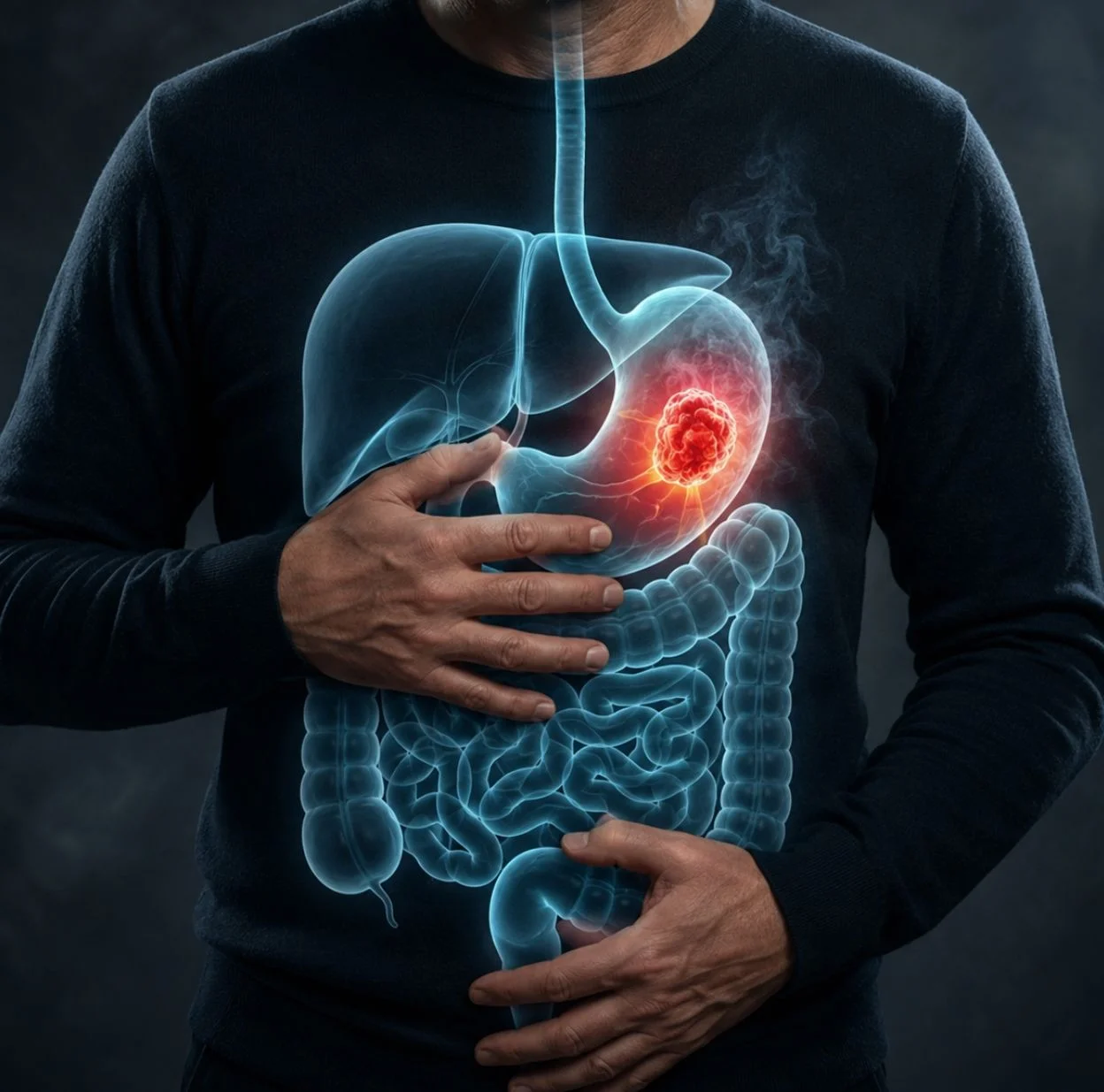
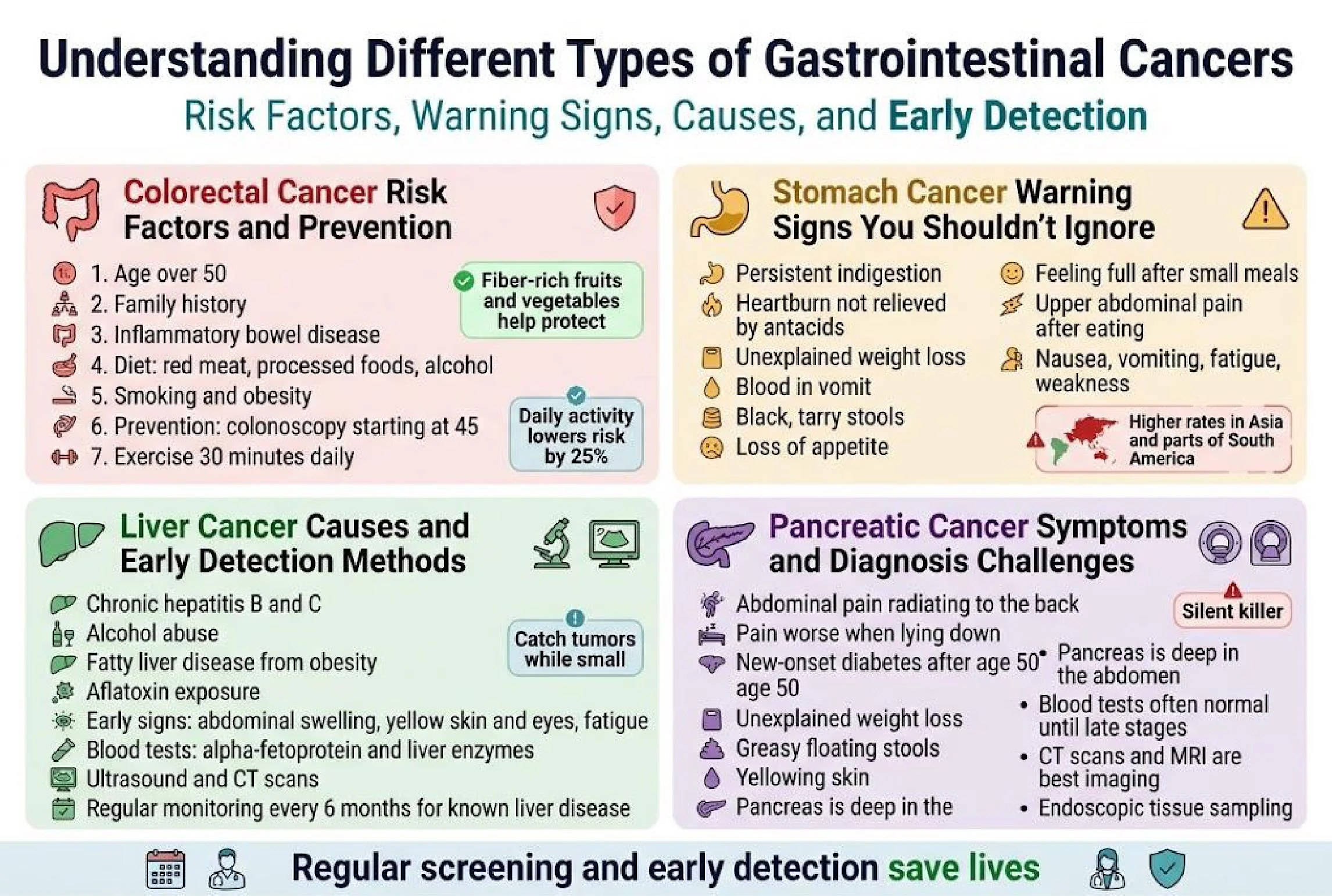
Gastrointestinal (GI) cancers develop in different parts of the digestive tract. Common types include colorectal cancer, stomach cancer, pancreatic cancer, liver cancer, and esophageal cancer. These cancers may develop slowly over time and often begin with mild digestive symptoms that people ignore in the early stages.
Several factors can increase the risk of digestive system cancers, including poor diet, smoking, alcohol consumption, obesity, chronic infections, family history, and inflammatory bowel diseases. Regular screening and healthy lifestyle habits can significantly reduce the risk of developing GI cancers.
Common Symptoms of Gastrointestinal Cancer
Recognizing early warning signs can help with faster diagnosis and better treatment outcomes. Some common gastrointestinal cancer symptoms include:
- Persistent abdominal pain or discomfort
- Changes in bowel habits such as constipation or diarrhea
- Blood in stool or black-colored stool
- Unexplained weight loss
- Loss of appetite
- Difficulty swallowing
- Persistent acidity or indigestion
- Fatigue and weakness
- Nausea or vomiting
Symptoms may vary depending on the type and stage of cancer. If these symptoms continue for several weeks, medical evaluation is important.
Colorectal Cancer and Bowel Health
Colorectal cancer is one of the most common digestive system cancers. It usually develops from polyps in the colon or rectum over many years. Regular colonoscopy screening can help detect and remove these polyps before they become cancerous.
Risk factors include increasing age, family history, low-fiber diet, obesity, smoking, and lack of physical activity. Maintaining a healthy diet rich in fruits, vegetables, and whole grains can help lower colorectal cancer risk.
Stomach and Pancreatic Cancer Awareness
Stomach cancer often starts with symptoms such as bloating, indigestion, stomach discomfort, or feeling full quickly after eating. Many people mistake these symptoms for routine digestive problems, which can delay diagnosis.
Pancreatic cancer is often difficult to detect early because symptoms may appear only after the disease has progressed. Persistent abdominal pain radiating to the back, unexplained weight loss, jaundice, and appetite loss require immediate medical attention.
Modern Diagnostic Methods for GI Cancer
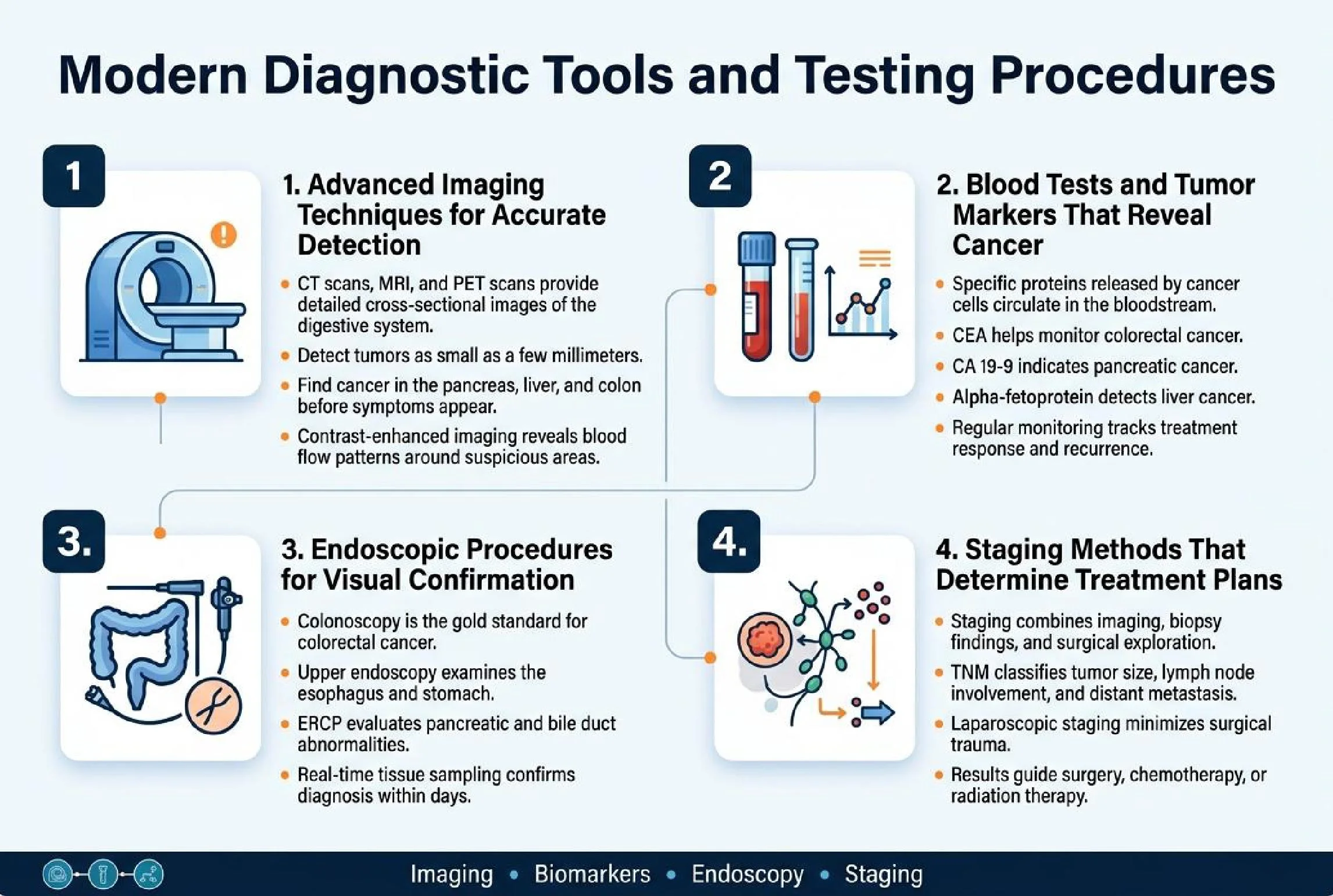
Accurate diagnosis is essential for planning effective treatment. Advanced diagnostic procedures used for gastrointestinal cancer include:
- Colonoscopy and upper GI endoscopy
- CT Scan and MRI imaging
- PET Scan for cancer staging
- Blood investigations and tumor markers
- Ultrasound-guided evaluation
- Biopsy for confirmation of cancer cells
These modern technologies help doctors identify cancer stage, location, and spread with greater precision.
Advanced Gastrointestinal Cancer Treatment Options
Treatment depends on the cancer type, stage, patient health condition, and overall treatment goals. Common digestive system cancer treatment options include:
- Surgery for tumor removal
- Chemotherapy
- Targeted therapy
- Immunotherapy
- Radiation therapy
- Nutritional and supportive care
Early-stage cancers often have higher success rates with treatment. Personalized treatment planning helps improve outcomes and quality of life for patients.
Lifestyle Changes for Cancer Prevention
Healthy lifestyle habits can lower the risk of gastrointestinal cancers and support long-term digestive health. Important preventive measures include:
- Eating a high-fiber and balanced diet
- Limiting processed and red meat consumption
- Avoiding tobacco and alcohol
- Maintaining healthy body weight
- Staying physically active
- Managing stress effectively
- Undergoing regular cancer screening after age 45
These simple changes can help reduce inflammation and support overall digestive wellness.
Expert GI Cancer Care in Surat
Dr Priyansh Jain provides comprehensive gastrointestinal cancer care with a patient-focused approach. From early diagnosis and cancer screening to advanced treatment planning and recovery support, patients receive personalized guidance throughout their cancer journey.
Early detection saves lives. If you notice persistent digestive symptoms or have a family history of GI cancers, schedule a consultation for timely evaluation and preventive care.