
Genetic Cancer Testing in Surat: Understanding Your Inherited Risk
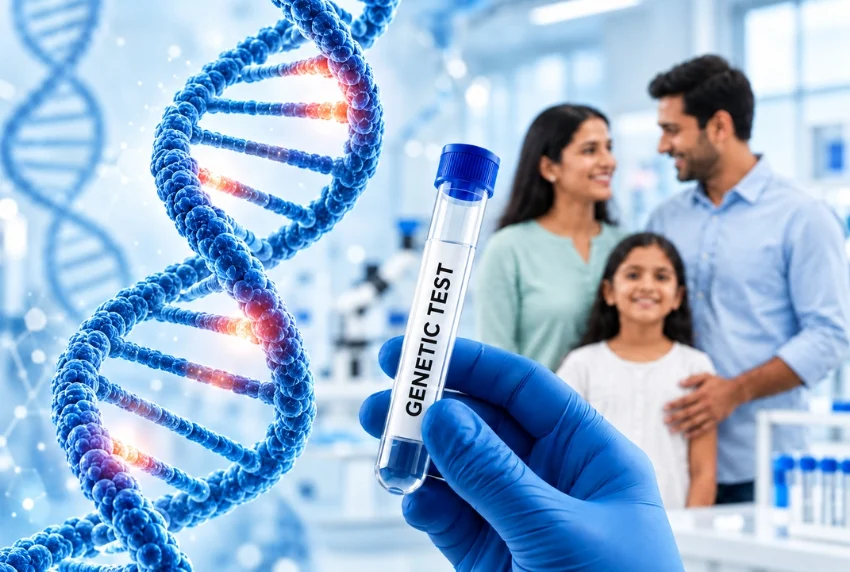
Understand inherited cancer risk, family history, genetic testing and the role of personalised medical guidance with an informed approach to cancer care.
Introduction
Genetic Cancer Testing in Surat is an important topic for individuals and families who want to understand whether inherited genetic changes could increase their risk of developing certain cancers. Although most cancers are not directly inherited, some genetic changes can pass from parents to children and increase the likelihood of particular cancer types.
Genetic testing may help identify certain inherited gene changes, assess possible cancer risks and guide decisions about screening, prevention and medical care. It can be particularly relevant when several family members have had cancer, a relative was diagnosed at a young age, or a person has a cancer type associated with an inherited genetic condition.
At Dr. Priyansh Jain’s oncology practice in Surat, patients can seek guidance about cancer care and discuss whether their personal or family history warrants further evaluation. The need for genetic testing should be assessed by an appropriately qualified healthcare professional based on individual circumstances.
What Is Genetic Cancer?
Genetic cancer refers to cancer that develops in association with changes in genes that affect how cells grow, divide and repair damaged DNA. These changes may develop during a person’s lifetime, arise from environmental exposures or, in some cases, be inherited from a parent.
It is important to distinguish between cancer-related genetic changes and inherited cancer risk. Most cancer-causing genetic changes occur during a person’s lifetime and are not passed down to children. Inherited changes in certain genes, however, can increase the risk of developing specific cancers.
An inherited gene change does not mean that cancer is inevitable. The actual risk depends on the gene involved, the specific genetic variant, personal and family medical history, and other factors.
Is Cancer Hereditary?
Cancer itself is not passed directly from parents to children. However, an inherited genetic change that increases the risk of certain cancers can be passed from one generation to another.
For example, inherited changes in the BRCA1 or BRCA2 genes can increase the risk of breast, ovarian and certain other cancers. Other inherited gene changes may be associated with colorectal, endometrial, prostate or additional cancer types.
Not every family with several cancer diagnoses has an inherited cancer syndrome. Family members may share environmental exposures, lifestyle factors or other risk factors. Some cancers may also occur in the same family by chance.
A detailed family history can help a healthcare professional determine whether a hereditary cancer assessment may be appropriate.
What Is Genetic Testing for Cancer Risk?
Genetic testing for inherited cancer risk looks for specific changes in a person’s DNA that may increase the likelihood of developing certain cancers. Testing is usually considered after reviewing personal and family medical history.
Depending on the clinical situation, a sample of blood or saliva may be used. The sample is analysed by a laboratory to look for particular inherited gene changes.
Genetic testing may help to:
- Identify certain inherited gene changes associated with an increased risk of cancer.
- Support decisions about appropriate screening and follow-up.
- Help some patients and their doctors evaluate treatment options after a cancer diagnosis.
- Provide information that may be relevant to blood relatives.
- Guide discussions about risk-reduction strategies where appropriate.
Genetic testing does not detect every possible cause of cancer, and a negative result does not always eliminate inherited risk. The test must be selected and interpreted in the context of the person’s medical history.
Who Should Consider Genetic Cancer Testing?
Genetic testing is not necessary for everyone. A doctor or genetic counsellor may recommend an assessment when personal or family history suggests a possible hereditary cancer syndrome.
You may wish to discuss genetic risk assessment if:
- Several close relatives have had the same or related types of cancer.
- Cancer has been diagnosed at an unusually young age in you or a family member.
- Breast and ovarian cancers have occurred in the family.
- A family member has a known inherited gene change linked to cancer.
- A person has had more than one separate primary cancer.
- Cancer has developed in both paired organs, such as both breasts.
- You or a close relative has a cancer type that may be associated with an inherited genetic condition.
- Your healthcare team recommends testing based on your diagnosis or tumour-related findings.
These factors do not automatically mean that a person has an inherited cancer syndrome. They indicate that a professional assessment may be worth discussing.
Which Cancers Can Be Associated With Inherited Gene Changes?
Certain inherited genetic changes are associated with a higher risk of specific cancer types. The degree of risk varies from one gene to another and between individuals.
1. Breast and Ovarian Cancer
Inherited changes in genes such as BRCA1 and BRCA2 may increase the risk of breast and ovarian cancers. Some other inherited genes can also be relevant to breast cancer risk.
A personal or family history of these cancers may lead a healthcare professional to consider genetic counselling and, when appropriate, testing.
2. Colorectal and Endometrial Cancer
Certain inherited conditions, including Lynch syndrome and familial adenomatous polyposis, can increase the risk of colorectal cancer. Lynch syndrome is also associated with an increased risk of endometrial and some other cancers.
A strong family history or a diagnosis at a younger age may prompt further assessment.
3. Prostate Cancer
Some inherited gene changes, including changes in BRCA2 and certain other genes, may increase the risk of prostate cancer or influence its clinical features. Testing may be considered for selected patients depending on their diagnosis and family history.
4. Pancreatic Cancer
Inherited changes in several genes have been associated with an increased risk of pancreatic cancer. Genetic assessment may be considered for certain patients or families with relevant medical histories.
5. Other Hereditary Cancer Syndromes
Some inherited conditions are associated with kidney, stomach, thyroid, skin or other cancers. Whether testing is appropriate depends on the specific cancer pattern, medical history and available tests.
Not all cancers are hereditary, and genetic testing is not suitable for every cancer type or every individual.
What Is the Difference Between Inherited Genetic Testing and Tumour Testing?
The term genetic testing can refer to different tests, and understanding the distinction is important.
Inherited genetic testing examines DNA, usually from blood or saliva, to look for gene changes that a person may have inherited. These results can provide information about inherited cancer risk and may also have implications for blood relatives.
Tumour genetic testing, sometimes called tumour profiling or somatic testing, examines genetic changes in cancer cells. It may help the oncology team understand the biology of a tumour and determine whether certain targeted treatments or other treatment options may be appropriate.
These tests have different purposes. Tumour testing does not automatically replace inherited genetic testing. In some cases, tumour findings may lead the healthcare team to recommend a separate assessment for an inherited gene change.
How Does Genetic Testing Work?
The process depends on the person’s medical history and the type of test being considered. It may include the following steps:
Step 1: Review Personal and Family Medical History
The healthcare professional may ask about previous cancer diagnoses, the ages at diagnosis, the types of cancer in close relatives and any known inherited gene changes in the family.
Step 2: Discuss Genetic Counselling
Before testing, counselling can help explain the possible benefits, limitations, implications for family members and potential emotional effects of receiving the results.
Step 3: Select an Appropriate Test
The test may examine one specific gene or a panel of several genes. The selection depends on the clinical question, family history and relevant medical guidelines.
Step 4: Provide a Sample
Depending on the test, a blood or saliva sample may be collected and sent to a suitable laboratory.
Step 5: Review and Interpret the Results
Results should be explained by a qualified healthcare professional familiar with cancer genetics. The findings may influence future screening recommendations or other decisions, depending on the result and the person’s overall risk.
The exact process and turnaround time vary by laboratory and test type.
What Do Genetic Test Results Mean?
Genetic test results may have different interpretations. They should not be viewed as a simple guarantee that cancer will or will not occur.
Positive result: A pathogenic or likely pathogenic gene variant associated with increased cancer risk has been identified. The healthcare team may discuss personalised screening, risk-reduction options and whether relevant family members should consider assessment.
Negative result: No relevant harmful variant was found in the genes tested. The meaning depends on whether a specific inherited variant was already known in the family and which genes were examined. A negative result does not always remove the concern raised by a strong family history.
Variant of uncertain significance (VUS): A genetic change has been found, but current evidence is insufficient to determine whether it increases cancer risk. This result should not automatically be treated as a harmful mutation. Further interpretation may be needed as scientific knowledge develops.
A healthcare professional can explain what the result means for an individual’s medical care and whether additional assessment is needed.
Can Genetic Testing Prevent Cancer?
Genetic testing itself does not prevent cancer. However, when an inherited risk is identified, the information may help a person and their healthcare team consider appropriate steps to manage that risk.
Depending on the gene involved and the person’s circumstances, these steps may include:
- Following a personalised screening plan.
- Starting certain screening tests earlier or having them more frequently.
- Discussing risk-reduction measures with relevant specialists.
- Reviewing lifestyle factors that can influence overall cancer risk.
- Considering additional medical options when supported by clinical guidance.
- Informing blood relatives who may wish to discuss their own risk assessment.
Not every person with an inherited gene change needs the same approach. Decisions about screening, medication or preventive surgery should be made with qualified healthcare professionals after an individual assessment.
Genetic Cancer Testing in Surat: When Should You Seek Medical Advice?
If you live in Surat or elsewhere in South Gujarat and have concerns about cancer in your family, start by discussing your personal and family medical history with a healthcare professional.
Consider arranging a consultation if a close relative has a known inherited cancer-related gene change, several family members have had related cancers, or you have received a cancer diagnosis that may warrant genetic assessment.
Dr. Priyansh Jain is a Surgical Oncologist in Surat who provides cancer-related consultation and treatment. Patients can discuss their diagnosis, family history and concerns about inherited cancer risk during a medical consultation. If specialised genetic counselling or testing is indicated, ask about an appropriate referral or testing pathway.
Genetic testing should be chosen based on clinical need rather than fear or an online checklist. It is also important not to delay recommended cancer screening or medical evaluation while deciding whether to undergo genetic testing.
Why Is Family History Important in Cancer Risk Assessment?
Family history can provide useful clues about possible inherited cancer risk. A healthcare professional may consider the types of cancer diagnosed in relatives, their relationship to the patient, their ages at diagnosis and whether cancers occurred across several generations.
Keeping a record of known family cancer diagnoses can make a consultation more informative. If available, relevant medical reports and previous genetic test results may also help the healthcare team assess the situation.
However, family history is only one part of risk assessment. A person without a known family history can still develop cancer, and a family history of cancer does not automatically mean that an inherited genetic change is present.
Frequently Asked Questions
1. What is genetic cancer?
Genetic cancer is cancer associated with changes in genes that affect cell growth and division. These changes may develop during a person’s lifetime or, in some cases, be inherited. Most cancers are not caused by an inherited gene change.
2. Is cancer always hereditary?
No. Most cancers are not directly inherited. Some inherited genetic changes increase the risk of certain cancers, but many cancer-related gene changes develop during a person’s lifetime.
3. Who should consider genetic testing for cancer risk?
People with a strong family history of related cancers, certain cancer diagnoses, a known inherited gene change in the family or other relevant clinical features may benefit from discussing genetic testing with a qualified healthcare professional.
4. Does a positive genetic test mean I will develop cancer?
No. A positive result for a harmful inherited gene variant can indicate an increased risk, but it does not guarantee that cancer will develop. The level of risk depends on the specific gene and other individual factors.
5. Can genetic testing detect every type of cancer?
No. Genetic testing for inherited cancer risk looks for specific gene changes and cannot detect every cancer or explain every cancer risk. Separate screening, diagnostic tests and tumour profiling may be appropriate for different clinical purposes.
6. Is inherited genetic testing the same as tumour profiling?
No. Inherited genetic testing looks for gene changes that may have been passed down through a family. Tumour profiling examines changes in cancer cells and may help guide treatment decisions. One test does not automatically replace the other.
7. Should everyone with a family history of cancer undergo genetic testing?
Not necessarily. The decision depends on the cancer types, family relationships, ages at diagnosis and other medical information. A doctor or genetic counsellor can help determine whether testing is appropriate.
8. Where can I seek cancer consultation in Surat?
You can contact Dr. Priyansh Jain for a cancer-related consultation in Surat. Discuss your diagnosis, family history and concerns about inherited cancer risk, and ask whether genetic counselling or testing is appropriate for your situation.
Conclusion
Understanding genetic cancer can help individuals and families make more informed decisions about cancer risk assessment, screening and care. Although most cancers are not directly inherited, certain gene changes can increase the risk of specific cancer types and may have implications for blood relatives.
Genetic testing is most useful when selected for the right clinical reason and interpreted alongside personal and family medical history. A positive result does not mean cancer is inevitable, and a negative result does not always eliminate every risk.
If you are concerned about inherited cancer risk in Surat, seek advice from a qualified healthcare professional. Dr. Priyansh Jain can help you discuss your cancer-related concerns and understand the next steps for appropriate evaluation and care.
Also read,
Dr Priyansh Jain
Surgical Oncologist (Oncosurgeon) – Naman Cancer Clinic & Research Centre, Surat
Also read: Advanced Oncoplastic Breast Surgery with LICAP & LTAP Flaps
Also read: Breast Conservation Surgery with MICAP Flap Reconstruction for Breast Cancer
Also read: Robotic Cancer Surgery
Facebook Link: https://www.facebook.com/DrpriyanshOncologist/
Instagram: https://www.instagram.com/dr_priyanshjain/