
Head and Neck Cancer Treatment in Surat
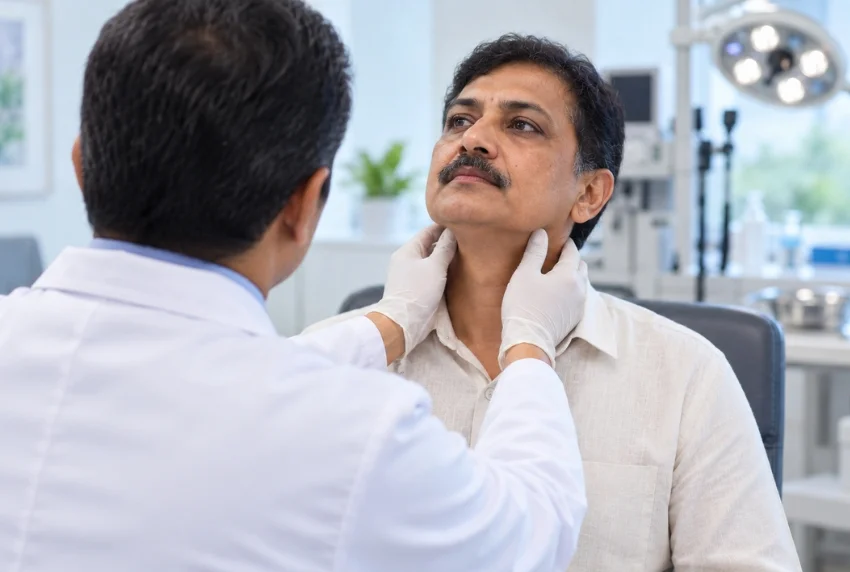
Understanding Diagnosis, Surgery, Radiation, Medical Therapy, Recovery and Personalized Cancer Care
Introduction
Head and Neck Cancer Treatment in Surat depends on several factors, including where the cancer begins, its stage, whether it has spread, the patient’s overall health and the goals of treatment. Head and neck cancers can develop in areas such as the mouth, throat, voice box, nasal cavity, sinuses and salivary glands.
Treatment may involve surgery, radiation therapy, chemotherapy, targeted therapy, immunotherapy or a combination of treatments. The most appropriate approach is determined after proper diagnosis and staging by a cancer care team.
At Naman Cancer Clinic & Research Centre, Dr. Priyansh Jain provides surgical oncology care for head and neck cancers, including evaluation, treatment planning, surgery and follow-up care in Surat. His current website describes the Head & Neck Cancer service as covering surgery, diagnosis, therapy and comprehensive care.
What Is Head and Neck Cancer?
Head and neck cancer is a broad term used for cancers that develop in different structures of the head and neck.
Depending on the location, these cancers may involve:
- Mouth and oral cavity
- Tongue
- Throat or pharynx
- Tonsils
- Voice box or larynx
- Nasal cavity
- Paranasal sinuses
- Salivary glands
- Other tissues of the head and neck
The National Cancer Institute identifies several major head and neck cancer sites, including the lip and oral cavity, oropharynx, hypopharynx, larynx, nasopharynx, nasal cavity and sinuses, and salivary glands.
Because these areas are important for breathing, swallowing, speaking and eating, treatment planning needs to consider both cancer control and preservation of important functions whenever clinically possible.
What Are the Common Types of Head and Neck Cancer?
Head and neck cancer is not one single disease.
Common types include:
Oral Cancer
Oral cancer can develop in the lips, tongue, gums, inner cheeks, floor of the mouth and other areas of the oral cavity.
Oropharyngeal Cancer
Oropharyngeal cancer develops in the oropharynx, which includes areas such as the tonsils, soft palate and back portion of the tongue.
Laryngeal Cancer
Laryngeal cancer develops in the voice box and may affect voice and swallowing.
Hypopharyngeal Cancer
This cancer develops in the lower part of the throat near the entrance to the esophagus and airway.
Nasopharyngeal Cancer
Nasopharyngeal cancer develops in the upper portion of the throat behind the nose.
Salivary Gland Cancer
Some head and neck cancers develop in the salivary glands.
The exact cancer type matters because treatment approaches can differ considerably between different sites.
What Are the Symptoms of Head and Neck Cancer?
Symptoms can vary depending on where the cancer begins.
Possible warning signs include:
- A persistent mouth ulcer
- A lump or swelling in the neck
- Difficulty swallowing
- Persistent sore throat
- Persistent hoarseness or voice changes
- Unexplained bleeding
- Difficulty moving the tongue or jaw
- Persistent ear pain
- A lump in the mouth or throat
- Red or white patches in the mouth
- Persistent nasal blockage or nosebleeds
- Unexplained weight loss
Having one of these symptoms does not automatically mean cancer. Many non-cancerous conditions can cause similar symptoms.
However, persistent or unexplained changes should be evaluated by an appropriate healthcare professional.
What Causes Head and Neck Cancer?
Different head and neck cancers have different risk factors.
Important risk factors may include:
- Tobacco smoking
- Smokeless tobacco
- Alcohol consumption
- Certain HPV infections
- Some occupational or environmental exposures
- Certain underlying medical conditions
For oral and oropharyngeal cancers, tobacco and alcohol are important risk factors, while HPV infection is associated particularly with some oropharyngeal cancers.
Risk factors do not mean that someone will definitely develop cancer, and some people develop head and neck cancer without an obvious major risk factor.
How Is Head and Neck Cancer Diagnosed?
Accurate diagnosis is an important first step in Head and Neck Cancer Treatment in Surat.
Depending on the symptoms and suspected cancer site, evaluation may include:
Clinical Examination
A doctor examines the mouth, throat, neck and other relevant areas for abnormal tissue, swelling, ulcers or lumps.
Endoscopy
In selected cases, an endoscopic examination may be used to examine areas that cannot be adequately assessed during a routine examination.
Biopsy
A biopsy involves taking a tissue sample for laboratory examination. It can help confirm whether cancer cells are present and identify the cancer type.
CT or MRI
Imaging may help determine the size and location of a tumour and whether nearby structures or lymph nodes are involved.
PET-CT
In selected cases, PET-CT may help evaluate cancer activity and possible spread.
The specific investigations required depend on the suspected cancer and clinical situation.
Why Is Cancer Staging Important?
Cancer staging helps doctors understand how extensive the disease is.
Staging may consider:
- Primary tumour size
- Nearby lymph nodes
- Spread to other parts of the body
- Cancer type and biological characteristics
The stage can influence whether treatment involves surgery, radiation therapy, systemic treatment or a combination.
Therefore, Head and Neck Cancer Treatment in Surat should not be selected based only on the presence of a tumour. The complete diagnosis and stage must be considered.
7 Key Head and Neck Cancer Treatment Options
1. Surgery
Surgery may be an important treatment option for selected head and neck cancers.
Depending on the location and extent of the cancer, surgery may involve removing the primary tumour and, when necessary, affected lymph nodes.
For oral cavity cancers, surgical treatment can include removal of the tumour and some surrounding tissue. Neck dissection may be considered when cancer has spread to or has a significant risk of involving lymph nodes.
The exact operation depends on:
- Cancer location
- Tumour size
- Depth of invasion
- Lymph-node involvement
- Involvement of nearby structures
- Need for reconstruction
- Overall health
2. Radiation Therapy
Radiation therapy uses high-energy radiation to damage cancer cells and control their growth.
It may be used:
- As the main treatment for selected cancers
- After surgery
- Along with chemotherapy
- For recurrent disease
- To relieve symptoms in selected advanced cancers
For some oral cavity and oropharyngeal cancers, radiation therapy may be used alone or combined with surgery and/or systemic treatment depending on the clinical situation.
3. Chemotherapy
Chemotherapy uses medicines that affect cancer cells throughout the body.
Depending on the cancer type and stage, chemotherapy may be used:
- Along with radiation therapy
- Before surgery
- After surgery
- For recurrent cancer
- For advanced or metastatic disease
The specific medicines and treatment schedule depend on the individual diagnosis.
4. Targeted Therapy
Targeted therapy uses medicines designed to act on particular molecular targets involved in cancer growth.
It may be appropriate for selected patients based on the cancer type and relevant biological or biomarker information.
Targeted therapy is not suitable for every head and neck cancer patient.
5. Immunotherapy
Immunotherapy works by helping the immune system recognize and attack cancer cells.
It may be used for certain recurrent or metastatic head and neck cancers, depending on the cancer type and individual clinical factors. NCI includes immunotherapy among established treatment approaches for selected oropharyngeal cancers.
6. Reconstruction and Rehabilitation
Some head and neck cancer surgeries can affect appearance, speech, swallowing or other functions.
When reconstruction is required, reconstructive techniques may help restore affected structures.
Rehabilitation may include:
- Speech therapy
- Swallowing therapy
- Nutritional support
- Physiotherapy
- Dental rehabilitation
- Psychological support
For oral cavity cancer, NCI notes that reconstructive procedures and rehabilitation may be needed depending on the extent and location of surgery.
7. Combined or Multidisciplinary Treatment
Some patients require more than one treatment.
For example, a treatment plan may include:
Surgery + Radiation Therapy
or
Radiation Therapy + Chemotherapy
or another combination based on the cancer type and stage.
Head and neck cancer care may involve a multidisciplinary team including:
- Surgical oncologist
- Medical oncologist
- Radiation oncologist
- Radiologist
- Pathologist
- Dentist
- Speech and swallowing specialist
- Dietitian
- Rehabilitation specialist
NCI specifically notes that head and neck cancer treatment may require a team of specialists with expertise in these areas.
When Is Surgery Used in Head and Neck Cancer Treatment?
Surgery may be recommended when the tumour can be safely removed.
The decision can depend on:
- Cancer location
- Stage
- Tumour size
- Nearby tissue involvement
- Lymph-node status
- Whether complete removal is technically feasible
- Patient’s overall health
For oral cavity cancer, surgery is a commonly used treatment, while radiation and other therapies may be used alone or in combination depending on the cancer’s characteristics.
What Is Neck Dissection?
If head and neck cancer has spread to lymph nodes in the neck, or there is a significant risk of lymph-node involvement, a procedure called neck dissection may be considered.
During neck dissection, selected lymph nodes and surrounding tissues are removed.
Whether neck dissection is necessary depends on the cancer type, stage, location and other clinical findings.
What Is Head and Neck Cancer Surgery Recovery Like?
Recovery varies significantly between patients.
It depends on:
- Type of surgery
- Size and location of the tumour
- Extent of tissue removal
- Whether neck dissection was performed
- Whether reconstruction was required
- Other treatments received
- Overall health
Some patients may need additional support with nutrition, swallowing, speech, wound care or physical rehabilitation.
Following the treatment team’s instructions and attending scheduled follow-up appointments are important parts of recovery.
Can Head and Neck Cancer Be Treated Successfully?
Treatment outcomes vary considerably.
They depend on:
- Cancer type
- Stage at diagnosis
- Tumour location
- Lymph-node involvement
- Whether the cancer has spread
- Overall health
- Response to treatment
No doctor can guarantee a particular outcome for every patient.
The most useful step after diagnosis is to understand the specific cancer type, stage and available treatment options with an appropriate cancer care team.
Why Is Early Evaluation Important?
Persistent symptoms should not be ignored.
An unexplained mouth ulcer, neck lump, swallowing difficulty, voice change or other persistent abnormality may have many possible causes, but timely medical evaluation can help identify the underlying problem.
For some head and neck cancers, earlier-stage disease may have different treatment options from more advanced disease.
Therefore, seeking medical advice for persistent symptoms can help avoid unnecessary delays in diagnosis.
Head and Neck Cancer Treatment in Surat with Dr. Priyansh Jain
Head and Neck Cancer Treatment in Surat at Naman Cancer Clinic & Research Centre is focused on individualized evaluation, treatment planning and cancer care.
Dr. Priyansh Jain is a Surgical Oncologist in Surat with qualifications including MBBS from Government Medical College, Surat, MS in General Surgery from University College of Medical Sciences, Delhi University, and MCh in Surgical Oncology from AIIMS Bhubaneswar. His website lists Head & Neck Cancer among his specialized cancer treatment services.
His current Oral Cancer service also describes head and neck cancer care involving diagnosis, surgery, radiation therapy, chemotherapy, targeted therapy, immunotherapy and rehabilitation depending on the patient’s condition.
Treatment decisions should be individualized according to:
- Cancer type
- Pathology
- Stage
- Imaging findings
- Patient’s overall health
- Treatment goals
- Previous treatment
Frequently Asked Questions
1. What is Head and Neck Cancer Treatment in Surat?
Head and Neck Cancer Treatment in Surat refers to the evaluation and treatment of cancers affecting areas such as the mouth, throat, larynx, nasal cavity, sinuses and salivary glands. Treatment may include surgery, radiation therapy, chemotherapy, targeted therapy or immunotherapy depending on the diagnosis.
2. What are the main treatments for head and neck cancer?
The main treatment approaches include surgery, radiation therapy, chemotherapy, targeted therapy and immunotherapy. Some patients require a combination of treatments.
3. Is surgery always required for head and neck cancer?
No. Treatment depends on the cancer type, location, stage and overall health. Some cancers may be treated primarily with radiation or systemic therapy, while others may require surgery.
4. What are the early symptoms of head and neck cancer?
Possible symptoms include persistent mouth ulcers, neck lumps, swallowing difficulties, persistent sore throat, voice changes, unexplained bleeding and unusual patches or growths in the mouth.
5. What is neck dissection?
Neck dissection is a surgical procedure that removes selected lymph nodes and surrounding tissue from the neck when clinically indicated.
6. Can head and neck cancer affect speech and swallowing?
Yes. Depending on the location and extent of the cancer and treatment, speech, swallowing and eating can sometimes be affected. Rehabilitation and specialist support may be part of the treatment journey.
7. Is Head and Neck Cancer Treatment in Surat different for every patient?
Yes. Head and Neck Cancer Treatment in Surat should be individualized according to the cancer site, type, stage, imaging, pathology and overall health.
8. When should I consult a Head and Neck Cancer Specialist in Surat?
Consider medical evaluation for a persistent mouth ulcer, neck lump, swallowing difficulty, unexplained bleeding, voice change or other unusual symptom that does not resolve.
9. Can head and neck cancer come back after treatment?
Yes, recurrence can occur in some patients. Regular follow-up is important after treatment so that the medical team can monitor recovery and identify concerning changes.
10. What happens after head and neck cancer treatment?
Follow-up may include clinical examinations, imaging when appropriate, rehabilitation, nutritional support and monitoring for recurrence or treatment-related problems.
Conclusion
Head and Neck Cancer Treatment in Surat requires accurate diagnosis, proper staging and an individualized treatment plan. Depending on the cancer type and stage, treatment may involve surgery, radiation therapy, chemotherapy, targeted therapy, immunotherapy or a combination of approaches.
Because head and neck structures are important for speaking, swallowing, breathing and appearance, treatment planning should consider both cancer control and preservation of function whenever clinically appropriate.
If you or a family member has a persistent symptom or has been diagnosed with head and neck cancer, timely consultation with an appropriate cancer specialist can help clarify the diagnosis and available treatment options.
Dr. Priyansh Jain at Naman Cancer Clinic & Research Centre, Surat, provides surgical oncology care and individualized treatment planning for patients with head and neck and other cancers.
Also read,
Dr Priyansh Jain
Surgical Oncologist (Oncosurgeon) – Naman Cancer Clinic & Research Centre, Surat
Also read: Advanced Oncoplastic Breast Surgery with LICAP & LTAP Flaps
Also read: Breast Conservation Surgery with MICAP Flap Reconstruction for Breast Cancer
Also read: Robotic Cancer Surgery
Facebook Link: https://www.facebook.com/DrpriyanshOncologist/
Instagram: https://www.instagram.com/dr_priyanshjain/