
Lung and Thoracic Cancer: Symptoms, Diagnosis, Treatment & Prevention
Lung and Thoracic Cancer: Treatment Options
Everything You Need to Know About Lung and Thoracic Cancer for Early Detection and Better Treatment Outcomes
Lung and Thoracic Cancer: Your Complete Guide
Lung cancer symptoms can be subtle at first, making early detection challenging for many patients. This comprehensive guide is written for patients, families, and anyone seeking clear, reliable information about lung and thoracic cancer types, from non-small cell lung cancer to rarer chest cancer symptoms.
Dr. Priyansh Jain from Surat breaks down the complex world of lung cancer diagnosis and treatment into practical, understandable insights. You’ll discover how to spot lung cancer early signs that could make a real difference in treatment outcomes, and learn about lung cancer risk factors you can actually control.
We’ll walk you through the most effective lung cancer screening methods available today and explore modern lung cancer treatment options that are changing patient outcomes. You’ll also get actionable lung cancer prevention strategies and understand the latest advances in thoracic cancer care that could impact you or your loved ones.
Understanding Lung and Thoracic Cancer Types
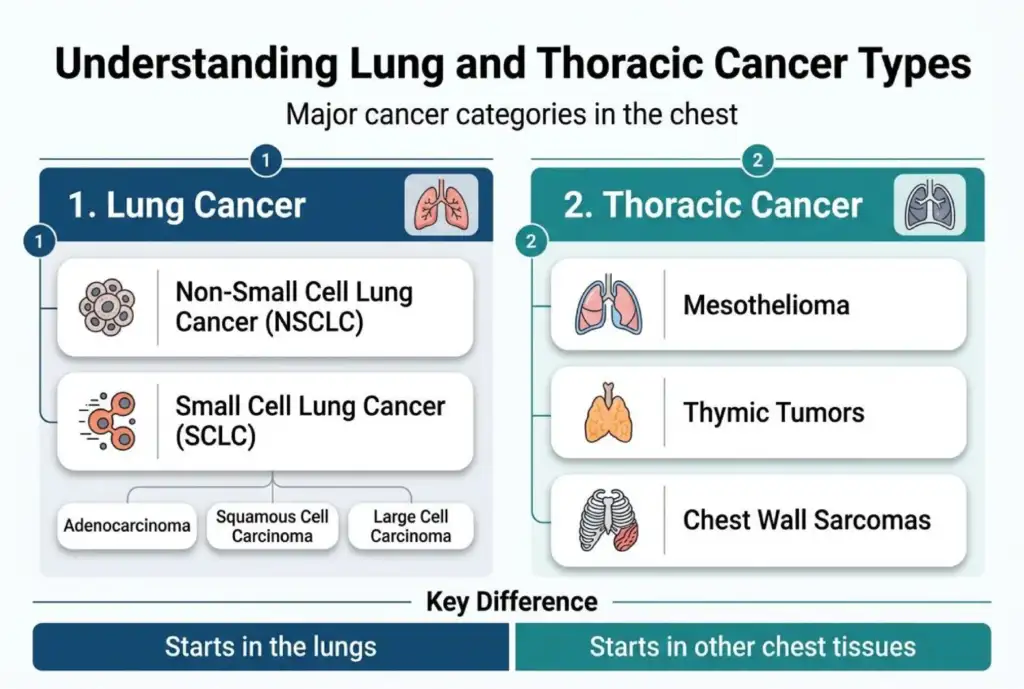
Non-Small Cell Lung Cancer Characteristics
Non-small cell lung cancer (NSCLC) represents about 85% of all lung cancer cases and grows more slowly than its small cell counterpart. The three main subtypes include adenocarcinoma (most common in non-smokers), squamous cell carcinoma (strongly linked to smoking), and large cell carcinoma. Adenocarcinomas typically develop in the outer lung areas and often present with subtle early symptoms, making detection challenging. Squamous cell carcinomas usually form in the central airways near the bronchi, while large cell carcinomas can appear anywhere in the lungs and tend to spread quickly once diagnosed.
Small Cell Lung Cancer Features
Small cell lung cancer accounts for approximately 15% of lung cancer diagnoses but behaves much more aggressively than NSCLC. This cancer type spreads rapidly through the bloodstream and lymphatic system, often reaching other organs before diagnosis. Nearly 95% of small cell lung cancer cases occur in current or former smokers, making tobacco exposure the primary risk factor. The cancer cells appear small and round under microscopic examination, hence the name. Two main types exist: small cell carcinoma (oat cell cancer) and combined small cell carcinoma, with the former being more responsive to chemotherapy and radiation.
Mesothelioma and Pleural Cancers
Mesothelioma primarily affects the pleura (lung lining) and directly connects to asbestos exposure in most cases. This rare cancer develops decades after initial asbestos contact, with symptoms often mimicking less serious respiratory conditions. Pleural mesothelioma represents the most common form, causing chest pain, shortness of breath, and fluid buildup around the lungs. Other pleural cancers include primary pleural sarcomas and solitary fibrous tumors. These cancers grow along the chest cavity lining and can compress lung tissue, leading to breathing difficulties and persistent cough.
Thymus and Chest Wall Tumors
Thymus tumors, including thymomas and thymic carcinomas, develop in the small organ behind the breastbone that produces infection-fighting T-cells. These thoracic cancer types often associate with myasthenia gravis, an autoimmune disorder causing muscle weakness. Chest wall tumors can originate in ribs, muscles, or soft tissues surrounding the lungs, with both benign and malignant varieties possible. Primary chest wall cancers include chondrosarcomas, osteosarcomas, and soft tissue sarcomas. Secondary tumors may spread from breast, lung, or kidney cancers. Early detection improves treatment outcomes significantly for all chest wall tumor types.
Recognizing Early Warning Signs and Symptoms
Persistent Cough and Breathing Changes
A cough that lingers beyond three weeks deserves immediate medical attention, especially when accompanied by blood or rust-colored sputum. Lung cancer early signs often include shortness of breath during routine activities, wheezing without asthma history, and voice changes or hoarseness. Pay attention if your breathing becomes labored while climbing stairs or walking short distances—these lung cancer symptoms can indicate tumor growth affecting lung function.
Chest Pain and Discomfort Patterns
Chest cancer symptoms typically manifest as persistent, aching pain that worsens with deep breathing, coughing, or laughing. Unlike heart-related pain, lung cancer discomfort often stays localized to one area and doesn’t radiate down the arm. Sharp, stabbing sensations in the chest, shoulder, or back that don’t improve with rest could signal tumor pressure on surrounding tissues or nerves.
Unexplained Weight Loss and Fatigue
Sudden weight loss of 10 pounds or more without dietary changes ranks among the most concerning thoracic cancer types symptoms. Cancer cells consume enormous energy, causing rapid weight reduction and persistent exhaustion that sleep doesn’t relieve. This fatigue differs from normal tiredness—it’s overwhelming weakness that interferes with daily activities and doesn’t improve with rest or caffeine.
Risk Factors and Prevention Strategies
Smoking and Secondhand Smoke Exposure
Cigarette smoking stands as the leading cause of lung cancer, responsible for approximately 85% of all cases. Even light smoking dramatically increases risk, while secondhand smoke exposure raises cancer risk by 20-30% for non-smokers. Quitting smoking at any age provides immediate benefits, with lung cancer risk dropping significantly within five years of cessation.
Environmental and Occupational Hazards
Workplace exposure to carcinogens like asbestos, radon gas, diesel exhaust, and heavy metals substantially elevates thoracic cancer risk. Radon exposure in homes represents the second leading cause of lung cancer after smoking. Construction workers, miners, and industrial workers face heightened risks and should follow strict safety protocols including proper ventilation and protective equipment.
Genetic Predisposition and Family History
Family history doubles lung cancer risk, particularly when close relatives developed the disease before age 50. Specific genetic mutations, including EGFR and ALK alterations, increase susceptibility to certain lung cancer types. Genetic counseling helps identify high-risk individuals who may benefit from enhanced screening protocols and preventive measures tailored to their genetic profile.
Lifestyle Modifications for Risk Reduction
A diet rich in fruits and vegetables provides protective antioxidants that may reduce lung cancer risk. Regular physical activity strengthens immune function and improves overall lung health. Avoiding excessive alcohol consumption, maintaining healthy weight, and limiting processed meat intake contribute to comprehensive lung cancer prevention strategies alongside smoking cessation efforts.
Advanced Diagnostic Methods and Testing
Imaging Studies and CT Scans
High-resolution CT scans reveal detailed lung structures and detect tumors as small as 3mm. PET-CT scans combine metabolic and anatomical imaging to identify cancer spread and distinguish between active cancer and scar tissue. Low-dose CT screening catches early-stage lung cancer in high-risk patients, improving survival rates by 20%. Advanced imaging guides treatment planning and monitors response to therapy.
Biopsy Procedures and Tissue Analysis
Bronchoscopy allows direct tissue sampling from airways using flexible instruments. CT-guided needle biopsies reach peripheral tumors through the chest wall with millimeter precision. Liquid biopsies analyze circulating tumor DNA in blood samples, offering a non-invasive diagnostic option. Pathologists examine tissue architecture and cellular features to determine cancer type, grade, and aggressiveness levels for personalized treatment strategies.
Genetic Testing and Biomarker Identification
Molecular profiling identifies specific mutations like EGFR, ALK, and ROS1 that drive tumor growth. Next-generation sequencing analyzes multiple genes simultaneously, revealing targeted therapy options for non-small cell lung cancer patients. PD-L1 expression testing determines immunotherapy eligibility. Biomarker analysis guides precision medicine approaches, matching patients with treatments most likely to succeed based on their tumor’s genetic fingerprint and characteristics.
Modern Treatment Options and Approaches
Surgical Interventions and Resection Techniques
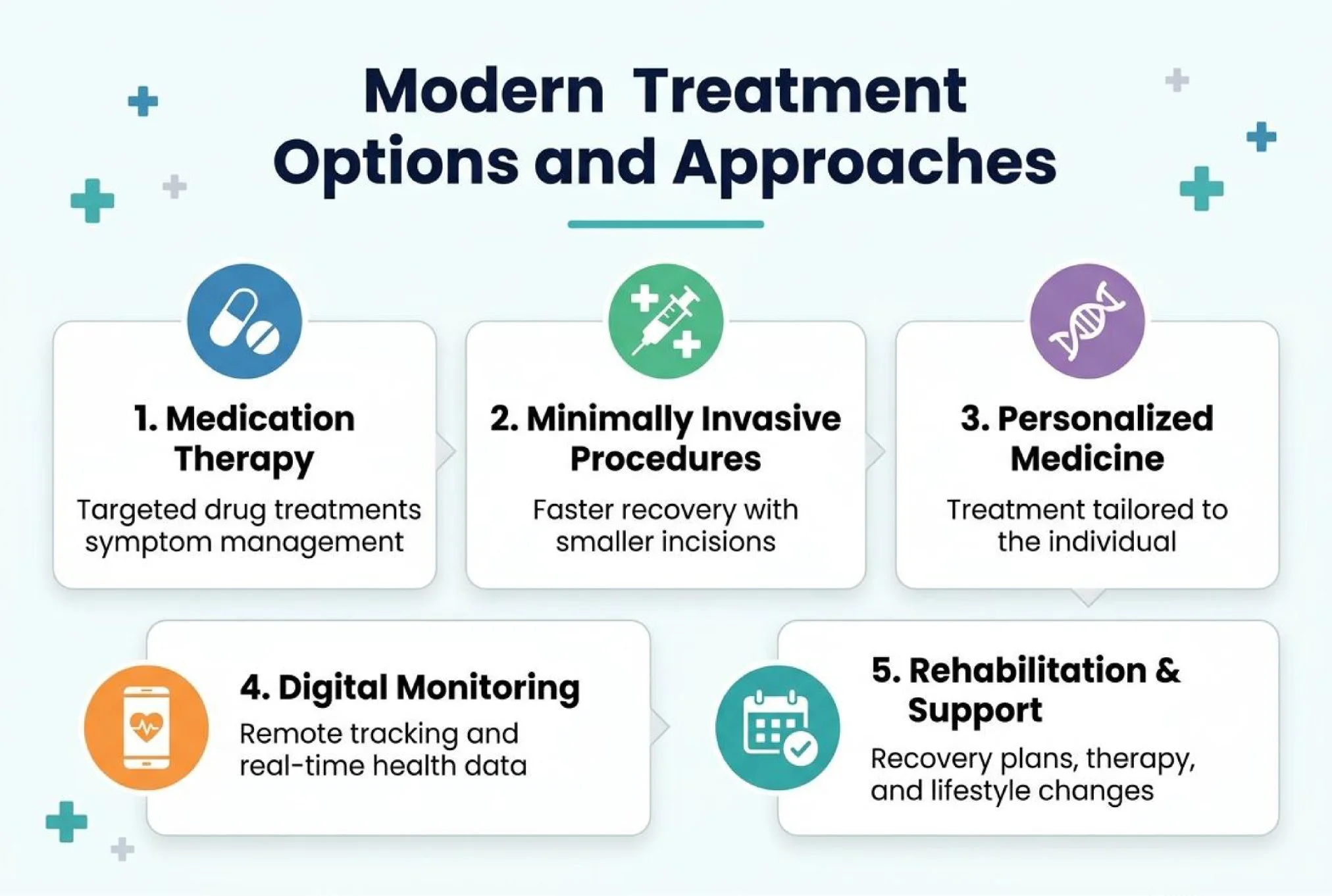
Thoracic surgeons now perform minimally invasive procedures like VATS (Video-Assisted Thoracoscopic Surgery) and robotic-assisted resections that dramatically reduce recovery time compared to traditional open surgeries. These advanced techniques allow precise removal of lung tumors while preserving healthy tissue, with some patients going home within 24-48 hours. Lobectomy remains the gold standard for early-stage lung cancer, while segmentectomy offers organ-sparing benefits for smaller tumors.
Targeted Therapy and Immunotherapy
Precision medicine has transformed lung cancer treatment options through genetic testing that identifies specific mutations like EGFR, ALK, and ROS1. Targeted drugs block these cancer-driving proteins with remarkable success rates – some patients experience tumor shrinkage within weeks. Immunotherapy drugs like pembrolizumab and nivolumab unleash the immune system against cancer cells, offering hope even for advanced cases where traditional treatments failed.
Radiation Therapy Applications
Modern radiation techniques deliver pinpoint accuracy that was unimaginable just a decade ago. Stereotactic body radiation therapy (SBRT) concentrates high-dose radiation beams on tumors while sparing surrounding organs, making it ideal for patients who can’t undergo surgery. Advanced planning software maps radiation paths in real-time, adjusting for breathing patterns to ensure maximum tumor destruction with minimal side effects.
Chemotherapy Protocols and Combinations
Today’s chemotherapy protocols combine multiple drugs strategically to attack cancer cells through different pathways. Platinum-based combinations remain backbone treatments, often paired with newer agents like pemetrexed or gemcitabine depending on cancer type. Maintenance therapy helps prevent cancer recurrence, while neoadjuvant chemotherapy shrinks tumors before surgery, improving surgical outcomes for borderline operable cases.
Clinical Trials and Experimental Treatments
Groundbreaking research continues to expand treatment possibilities through innovative clinical trials testing CAR-T cell therapy, cancer vaccines, and novel drug combinations. Patients gain access to cutting-edge treatments years before they become standard care, often at no cost. Dr Priyansh Jain in Surat regularly connects eligible patients with promising trials, recognizing that experimental treatments sometimes offer the best hope for difficult cases.
Getting a lung or thoracic cancer diagnosis can feel overwhelming, but understanding the different types, warning signs, and risk factors puts you in a stronger position to make informed decisions about your health. Early detection makes a huge difference in treatment outcomes, so paying attention to persistent coughs, chest pain, or unexplained fatigue could save your life. The good news is that smoking cessation, avoiding secondhand smoke, and reducing exposure to harmful chemicals can significantly lower your risk.
Today’s diagnostic tools and treatment options are more advanced than ever before. From targeted therapies to immunotherapy and minimally invasive surgical techniques, patients have access to personalized care plans that can improve both survival rates and quality of life. If you’re experiencing concerning symptoms or have risk factors for lung cancer, don’t wait to schedule a screening with your doctor. Taking that first step toward early detection and treatment could be the most important decision you make for your health.
Also read,
Dr Priyansh Jain
Surgical Oncologist (Oncosurgeon)
Naman Cancer Clinic & Research Centre, Surat
Also read: Advanced Oncoplastic Breast Surgery with LICAP & LTAP Flaps
Also read: Breast Conservation Surgery with MICAP Flap Reconstruction for Breast Cancer