Lifestyle After Surgery: Essential Tips for Recovery and Healing
Practical guidance on rest, nutrition, wound care, movement, and follow-up care to support recovery after surgery.
Surgery is often an important step in treating a medical condition, improving health, or managing a disease. However, recovery does not end when a patient leaves the operating room or returns home. The habits followed during the days and weeks after surgery can influence comfort, mobility, wound healing, and overall well-being.
A healthy Lifestyle After Surgery includes following medical instructions, eating balanced meals, getting adequate rest, gradually returning to activity, caring for the surgical wound, and attending scheduled follow-up appointments. The right recovery plan depends on the type of surgery, the patient’s general health, and the advice of the treating healthcare team.
This guide explains practical ways patients and caregivers can support recovery while recognising when professional medical advice is needed.
Why Is Lifestyle Important After Surgery?
The body needs time and energy to recover after a surgical procedure. During this period, patients may experience tiredness, discomfort, changes in appetite, limited movement, or emotional stress. These experiences can vary considerably depending on the operation and individual circumstances.
Following a suitable post-operative care plan can help patients manage everyday activities, support healing, reduce avoidable complications, and gradually return to their usual routine. Patients should remember that recovery is not a race. Restoring strength and independence may take days, weeks, or longer.
7 Essential Lifestyle Tips After Surgery
1. Follow Your Surgeon’s Instructions
Every operation has different recovery requirements. Instructions about medication, wound care, bathing, lifting, driving, exercise, and returning to work should be followed carefully.
Take prescribed medicines exactly as directed. Do not stop, restart, or change a medication without checking with the prescribing healthcare professional. If instructions are unclear, contact the surgical team rather than relying on general advice from the internet.
Patients recovering from cancer surgery or a major procedure may have additional appointments, treatment plans, or activity restrictions. Their individual care plan should take priority over general lifestyle recommendations.
2. Eat Balanced and Nutritious Meals
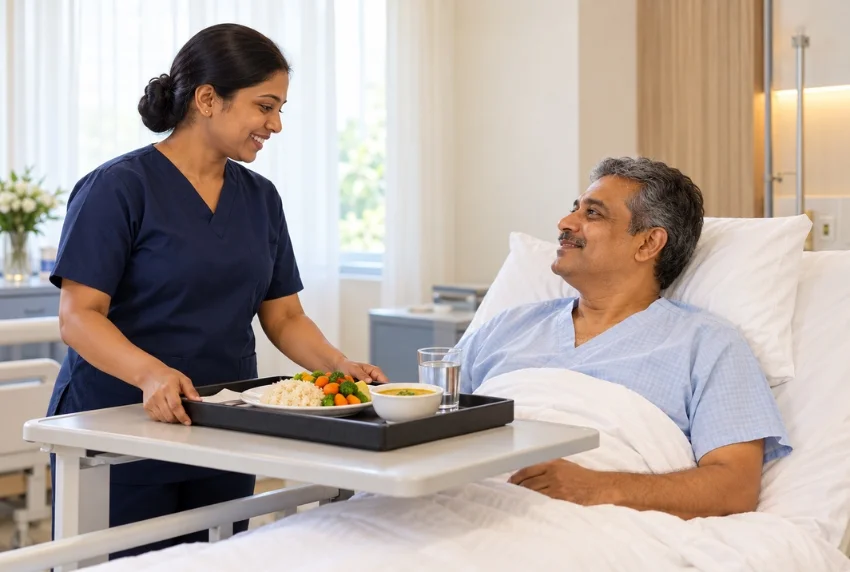
Nutrition is an important part of recovery after surgery. The body may need sufficient calories, protein, fluids, vitamins, and minerals to support tissue repair and maintain strength.
Depending on the procedure and medical advice, a balanced eating pattern may include:
- Protein sources such as lentils, beans, dairy products, eggs, fish, or lean meat, according to individual dietary preferences.
- A variety of vegetables and fruits.
- Whole grains and other suitable sources of energy.
- Adequate fluids, unless fluid intake has been restricted by the healthcare team.
Some patients may need a modified diet after surgery involving the digestive system, or may experience nausea, reduced appetite, or difficulty swallowing. In these situations, follow the prescribed dietary plan and ask the healthcare team whether a registered dietitian would be helpful.
Do not begin high-dose supplements, herbal products, or special recovery diets without discussing them with your healthcare professional.
3. Get Enough Rest and Sleep
Rest allows the body to recover and helps manage fatigue. Patients may need more sleep than usual in the initial recovery period, and normal sleep patterns can take time to return.
Try to maintain a comfortable sleeping environment and follow any positioning instructions given after surgery. Short periods of rest throughout the day may help when energy levels are low.
However, prolonged bed rest is not appropriate for everyone. Depending on the procedure, the care team may recommend getting out of bed and moving regularly to reduce the risk of complications. Follow the movement and rest guidance provided for your specific operation.
4. Return to Physical Activity Gradually
Gentle movement can be an important part of recovery when it is permitted by the surgical team. Depending on the procedure, this may include short walks, prescribed breathing exercises, or physiotherapy.
Increase activity gradually and avoid pushing through significant pain, dizziness, unusual breathlessness, or marked fatigue. Do not lift heavy objects, perform strenuous workouts, drive, or return to physically demanding work until your healthcare professional confirms that it is appropriate.
Patients who have undergone major abdominal, chest, orthopaedic, or cancer surgery may have specific movement restrictions. Ask your surgical team when and how to resume daily activities safely.
5. Keep the Surgical Wound Clean and Follow Wound-Care Instructions
Proper wound care helps patients monitor healing and identify possible complications. Follow the instructions provided for dressings, bathing, cleaning, and changing wound coverings.
Before touching the wound or its dressing, wash your hands. Do not apply creams, powders, oils, or home remedies unless the healthcare team recommends them. Avoid pulling at stitches, staples, or surgical glue.
Contact your healthcare team if you notice increasing redness, swelling, warmth, worsening pain, pus, an unpleasant smell, or a wound that opens. Fever or other new symptoms should also be assessed according to the discharge instructions.
6. Look After Your Emotional Well-Being
Recovery can affect emotional health as well as physical health. Some patients feel relieved after surgery, while others experience worry, frustration, low mood, or uncertainty about their progress.
Stay connected with supportive family members or friends, set realistic daily goals, and allow yourself time to recover. Ask for help with meals, household tasks, transport, or appointments when needed.
If persistent sadness, anxiety, sleep problems, or distress interferes with everyday life, discuss these concerns with your healthcare professional. Patients recovering from cancer surgery may also benefit from appropriate counselling or support services when available.
7. Attend Follow-Up Appointments
Follow-up visits allow the healthcare team to assess healing, review symptoms, discuss test results when relevant, and advise when activities can be resumed. These appointments are important even when recovery seems to be progressing well.
Keep a record of symptoms, medication questions, and concerns you would like to discuss. Ask when you can return to work, exercise, driving, and your usual diet. If additional treatment, rehabilitation, or monitoring is required, make sure you understand the next steps.
Do not delay seeking medical advice for concerning symptoms simply because a follow-up appointment is already scheduled.
What Foods Should You Eat After Surgery?
There is no single diet that suits every patient after surgery. Food choices should reflect the type of operation, appetite, digestion, other health conditions, and any dietary restrictions provided by the treating team.
In general, patients who are allowed to eat normally can aim for balanced meals containing protein, vegetables, fruit, and suitable sources of carbohydrates. Smaller, more frequent meals may be easier to manage when appetite is reduced, but patients should follow specific instructions if their procedure requires a special diet.
If you experience persistent vomiting, difficulty keeping fluids down, significant abdominal symptoms, or an inability to eat as advised, contact your healthcare team promptly.
What Activities Should You Avoid After Surgery?
The restrictions depend on the operation and the stage of recovery. Patients may be advised to avoid heavy lifting, strenuous exercise, driving while taking sedating medication, swimming before a wound has healed, or activities that place pressure on the surgical area.
Do not compare your recovery with another person’s experience. Even people who undergo the same type of surgery may recover at different rates. Ask your surgeon when it is safe to resume specific activities and follow any restrictions until you are cleared.
Warning Signs That Need Medical Attention
Some discomfort and tiredness may occur after surgery, but certain symptoms require prompt assessment.
Contact your healthcare team urgently if you develop worsening wound redness, increasing swelling, pus, wound separation, persistent fever, uncontrolled pain, or repeated vomiting. Follow the emergency instructions in your discharge documents.
Seek emergency medical care for severe difficulty breathing, chest pain, fainting, new confusion, or heavy bleeding. Sudden shortness of breath or chest pain may indicate a serious complication and should not be ignored.
This list is not exhaustive. If you are concerned about a symptom or feel that your condition is getting worse, seek medical advice.
Lifestyle After Cancer Surgery
Recovery following cancer surgery may involve additional considerations, depending on the cancer, the operation, and whether further treatment is planned. Some patients need help managing fatigue, changes in appetite, altered body function, pain, or emotional concerns.
Follow the individual treatment and follow-up plan provided by your oncology and surgical teams. Ask before starting exercise programmes, supplements, restrictive diets, or complementary therapies, particularly if you are receiving chemotherapy, radiotherapy, immunotherapy, or other treatment.
A supportive home environment, balanced nutrition when appropriate, gradual activity as permitted, and regular follow-up can form part of a broader recovery plan. No single lifestyle change can guarantee recovery or prevent cancer recurrence.
Frequently Asked Questions
1. How long does recovery after surgery take?
Recovery time varies according to the type of operation, the patient’s health, and whether complications occur. Minor procedures may require a short recovery period, while major operations can require several weeks or longer. Your surgical team can provide guidance based on your situation.
2. When can I start walking after surgery?
Some patients are encouraged to begin gentle movement soon after surgery, while others need specific restrictions. Start only as advised by your healthcare team and increase activity gradually.
3. What should I eat to support recovery after surgery?
A balanced diet with sufficient energy, protein, and fluids may support healing when these are appropriate for your condition. Follow any special dietary instructions and seek individual advice if you have digestive symptoms or reduced appetite.
4. Can I return to work after surgery?
The timing depends on the procedure, your recovery, the physical demands of your job, and any medication you are taking. Ask your healthcare professional before returning to work, particularly if your job involves driving, heavy lifting, or strenuous activity.
5. When should I contact my doctor after surgery?
Contact your healthcare team if you have worsening pain, signs of wound infection, fever, persistent vomiting, wound opening, or other symptoms identified in your discharge instructions. Seek emergency care for severe breathing difficulty, chest pain, fainting, or heavy bleeding.
Conclusion
A healthy Lifestyle After Surgery is built around following medical advice, eating appropriately, getting enough rest, returning to movement gradually, caring for the wound, and attending follow-up appointments. Patients should give themselves time to recover and seek professional guidance whenever symptoms or restrictions are unclear.
Every patient’s needs are different, so personalised instructions from the treating healthcare team should always take priority over general information. With appropriate care, monitoring, and support, patients can work towards a safe and gradual return to daily life.
Also read,
Dr Priyansh Jain
Surgical Oncologist (Oncosurgeon) – Naman Cancer Clinic & Research Centre, Surat
Also read: Advanced Oncoplastic Breast Surgery with LICAP & LTAP Flaps
Also read: Breast Conservation Surgery with MICAP Flap Reconstruction for Breast Cancer
Also read: Robotic Cancer Surgery
Also read: National Cancer Institute — Childhood Cancers
Facebook Link: https://www.facebook.com/DrpriyanshOncologist/
Instagram: https://www.instagram.com/dr_priyanshjain/