
Cancer Counselling in Surat for Emotional Support and Mental Wellness
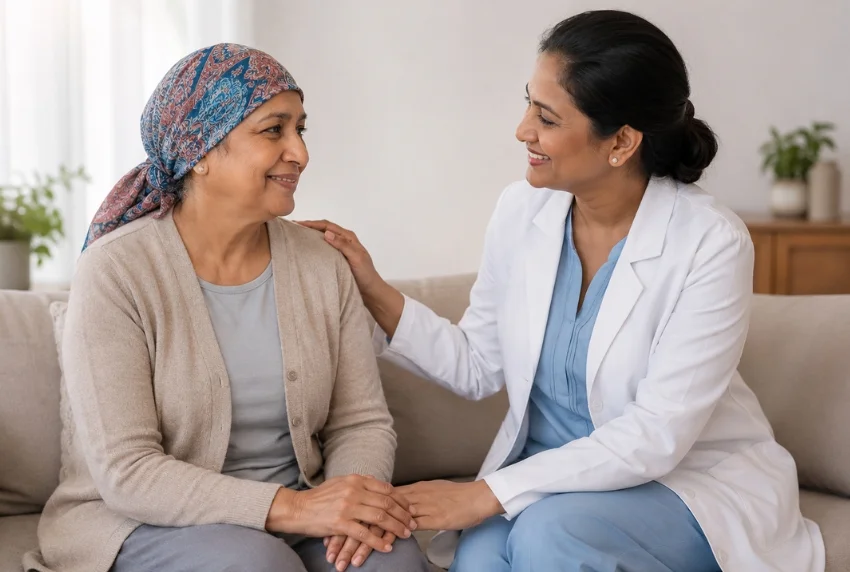
Professional emotional support and psychological care for cancer patients and families in Surat.
Cancer Counselling in Surat provides emotional support, mental wellness care, and psychological guidance for cancer patients and families during treatment and recovery. Dr. Priyansh Jain offers compassionate counselling services that help individuals manage anxiety, stress, fear, and emotional challenges while improving confidence and quality of life throughout the cancer journey.
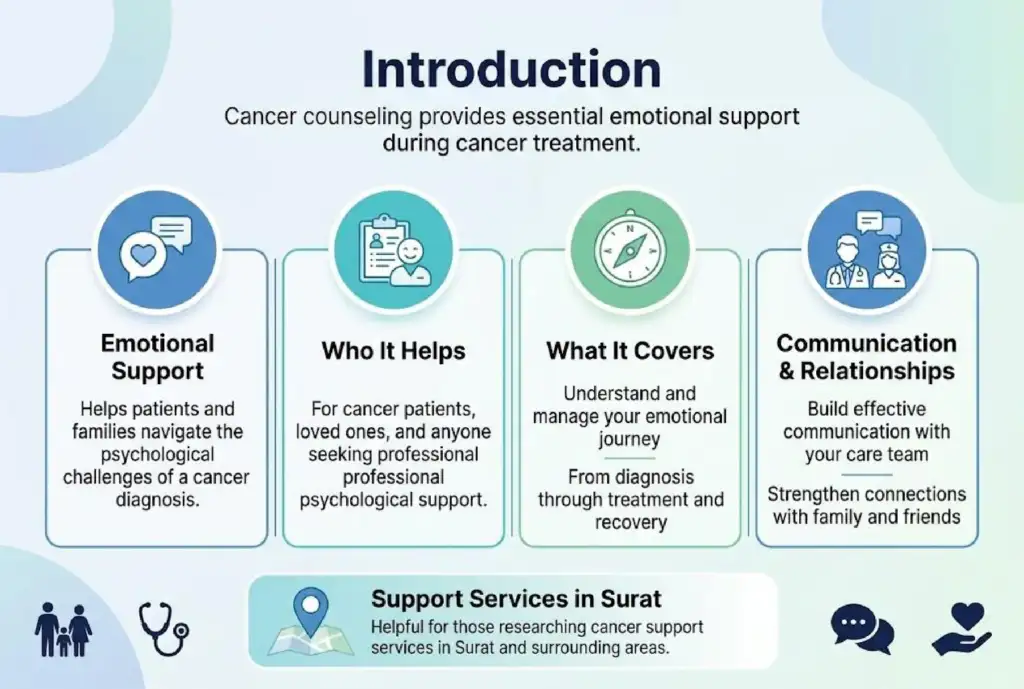
Cancer counseling provides essential emotional support during cancer treatment, helping patients and families navigate the complex psychological challenges that come with a cancer diagnosis. This specialized form of therapy addresses the unique mental health needs that arise when facing cancer, from the initial shock of diagnosis through treatment and recovery.
This guide is designed for cancer patients, their loved ones, and anyone seeking to understand how professional psychological support can make a meaningful difference during this difficult time. We’ll also cover valuable information for those researching cancer support services in Surat and surrounding areas.
We’ll explore how to understand and manage your emotional journey through cancer, including the common feelings and reactions many people experience. You’ll learn practical strategies for building effective communication with your care team, ensuring you get the support you need from doctors, nurses, and other healthcare providers. We’ll also discuss how cancer therapy counseling can help strengthen relationships during treatment, as maintaining connections with family and friends becomes both more challenging and more important than ever.
Understanding Your Emotional Journey Through Cancer
Recognizing Normal Psychological Reactions to Diagnosis
Shock, disbelief, and numbness often hit first when receiving a cancer diagnosis. Your mind might race with questions or feel completely blank. These reactions are completely normal – your brain is processing life-changing information. Anger, sadness, and fear frequently follow. Some people feel relief finally having answers to unexplained symptoms. Others experience guilt, wondering if they could have prevented their cancer. Emotional numbness can alternate with overwhelming feelings. Your reactions might surprise you – crying one moment, feeling determined the next. These emotional waves are your psyche’s way of gradually accepting your new reality. Cancer patient mental health support recognizes these responses as healthy adaptations to extraordinary circumstances.
Managing Fear and Anxiety About Treatment Outcomes
Cancer anxiety centers around the unknown – will treatment work, what are the side effects, how long will this take? Your mind might create worst-case scenarios or get stuck in “what if” loops. Sleep may become elusive as worries intensify at night. Physical symptoms like racing heart, tight chest, or stomach issues often accompany emotional distress. Grounding techniques help bring you back to the present moment. Focus on what you can control today rather than outcomes months away. Deep breathing exercises calm your nervous system. Breaking down treatment into smaller, manageable steps makes the journey less overwhelming. Professional cancer counseling provides tools to redirect anxious thoughts and develop realistic perspectives on your prognosis.
Coping with Loss of Control and Independence
Cancer forces dependence on medical teams, treatment schedules, and sometimes family caregivers. Simple tasks that once felt automatic now require planning around fatigue or appointments. Career plans might shift, financial decisions get complicated, and social activities revolve around treatment timing. This loss of autonomy can feel devastating, especially for naturally independent people. Reclaiming small areas of control becomes crucial – choosing what to wear, deciding on meals within dietary restrictions, or maintaining certain routines. Setting boundaries with well-meaning friends and family helps preserve dignity. Communicating your needs clearly prevents others from making assumptions about your capabilities. Emotional support during cancer treatment includes learning to accept help gracefully while maintaining your sense of self.
Processing Grief for Your Previous Healthy Life
Grieving your pre-cancer life is necessary and valid. You’re mourning the loss of assumed good health, future plans that need adjusting, and perhaps a sense of invincibility. The person you were before diagnosis might feel like a stranger. Simple pleasures like spontaneous trips or intense workouts may no longer be possible. Relationships might change as some people struggle with your diagnosis while others become unexpectedly supportive. Financial security, career trajectories, and family planning often require reassessment. This grief process isn’t linear – expect good days and difficult ones. Honoring what you’ve lost while slowly building a new normal takes time. Cancer therapy counseling helps navigate this transition, validating your losses while helping you discover renewed purpose and meaning.
Building Effective Communication with Your Care Team
Expressing Your Concerns and Questions Clearly
Open, honest communication with your cancer care team starts with preparing specific questions before appointments. Write down symptoms, side effects, and worries beforehand. Use simple language to describe how you’re feeling physically and emotionally. Don’t hesitate to ask for clarification when medical terms feel overwhelming. Your care team needs to understand your complete experience, including anxiety, fear, or confusion about treatment plans.
Advocating for Your Mental Health Needs
Cancer patient mental health deserves equal attention alongside physical treatment. Tell your oncologist when emotional distress affects daily life or treatment compliance. Request referrals to cancer counseling professionals or emotional support during cancer treatment services. Many patients feel guilty about needing psychological support, but mental health directly impacts recovery outcomes. Your care team should connect you with oncology counseling services when standard support isn’t enough.
Setting Boundaries with Medical Professionals
Healthy boundaries protect your emotional well-being during treatment. You can decline unnecessary procedures, request second opinions, or ask for time to process difficult news. Communicate your preferences for receiving test results or treatment updates. Some patients prefer detailed explanations while others want simplified information. Tell your team about communication styles that work best for you, whether that’s email updates, phone calls, or in-person discussions only.
Strengthening Relationships During Treatment
Communicating Your Needs to Family and Friends
Cancer changes everything, including how you connect with loved ones. Be specific about what you need – whether it’s someone to drive you to appointments, help with groceries, or simply listen without offering advice. Many people want to help but don’t know how. Create a simple list of tasks others can handle, from meal prep to pet care. Don’t assume family members understand your energy levels or treatment side effects. Explain how cancer counseling has helped you identify your emotional needs, and share resources about cancer patient mental health with those closest to you.
Managing Changes in Intimate Relationships
Physical and emotional intimacy often shifts during cancer treatment. Honest conversations with your partner about fears, body image changes, and treatment effects strengthen your bond. Some couples benefit from cancer therapy counseling together to navigate these challenges. Sexual intimacy may require adjustments – explore new ways to connect physically and emotionally. Fatigue, medication side effects, and surgical changes affect relationships differently for everyone. Professional emotional support during cancer treatment helps couples maintain closeness while adapting to new realities.
Dealing with Social Isolation and Loneliness
Cancer can feel incredibly isolating, even when surrounded by caring people. Treatment schedules, fatigue, and immune system concerns limit social activities. Virtual connections become lifelines – video calls, text groups, and online cancer emotional support groups provide community. Some friends may pull away due to their own discomfort with illness, which hurts but isn’t personal. Oncology counseling services help process these losses while building new supportive relationships. Consider joining local cancer support groups in Surat or connecting with others who truly understand your experience.
Accepting Help Without Guilt
Pride and independence make accepting help challenging, but cancer treatment requires a support network. Start small – let someone bring dinner or handle one errand. Create specific ways people can contribute, making it easier for both sides. Remember that helping others often brings joy and purpose to the giver. Cancer counseling teaches that accepting support isn’t weakness; it’s smart resource management. Professional psychological support for cancer patients emphasizes that allowing others to help builds stronger community connections and reduces caregiver burden on primary supporters.
Protecting Your Energy from Negative Interactions
Some people bring drama, pessimism, or unwanted advice to every conversation. During cancer treatment, protecting your mental energy becomes essential. Set boundaries with energy-draining relationships – limit visits, phone calls, or topics of conversation. It’s okay to avoid certain people temporarily or permanently. Surround yourself with positive, supportive individuals who respect your healing process. Cancer care team communication skills help you practice saying no diplomatically. Focus energy on relationships that nourish rather than deplete you, creating space for genuine emotional support during cancer treatment.
Developing Practical Coping Strategies
Creating Daily Routines That Provide Stability
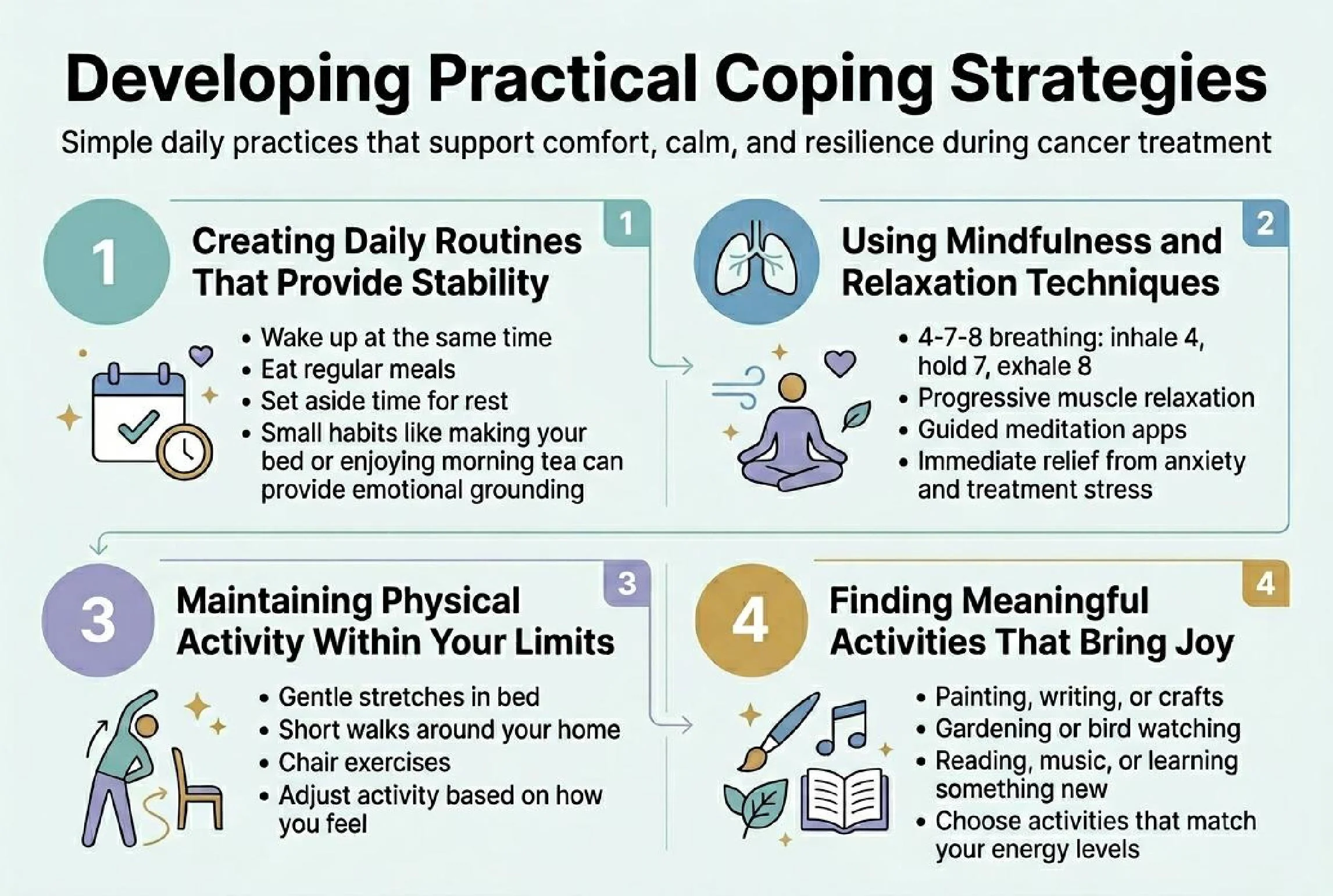
Having a predictable schedule helps your mind and body find comfort during cancer treatment. Simple routines like waking up at the same time, eating regular meals, and setting aside time for rest create anchors in your day. Even small habits like making your bed or enjoying morning tea can provide emotional grounding when everything else feels uncertain.
Using Mindfulness and Relaxation Techniques
Breathing exercises and mindfulness practices offer immediate relief from anxiety and treatment stress. Try the 4-7-8 breathing technique: inhale for 4 counts, hold for 7, exhale for 8. Progressive muscle relaxation, where you tense and release different muscle groups, helps identify where you carry tension. Guided meditation apps can walk you through these techniques when you’re feeling overwhelmed.
Maintaining Physical Activity Within Your Limits
Movement boosts mood and energy, even on difficult days. Start with gentle stretches in bed or short walks around your home. Chair exercises work well during treatment sessions. Listen to your body and adjust activities based on how you feel. Some days might call for yoga, others just deep breathing. The goal is staying active without pushing beyond your current capacity.
Finding Meaningful Activities That Bring Joy
Cancer counseling often emphasizes rediscovering what makes you happy. Creative outlets like painting, writing, or crafts provide emotional release and accomplishment. Connecting with nature through gardening or bird watching can be deeply therapeutic. Reading, listening to music, or learning something new keeps your mind engaged. Choose activities that match your energy levels and bring genuine satisfaction, not obligation.
Accessing Professional Mental Health Support
Choosing the Right Type of Cancer Counselor
Finding the right cancer counselor requires understanding different specialties and approaches. Oncology counselors specialize in cancer-related emotional challenges and understand the unique psychological impact of diagnosis and treatment. Licensed clinical social workers often provide practical support alongside emotional counseling, helping navigate healthcare systems and insurance issues. Psychologists trained in health psychology bring expertise in managing chronic illness stress and treatment anxiety. Consider whether you prefer individual therapy, family counseling, or couples therapy if cancer affects your relationships. Look for professionals who accept your insurance and offer flexible scheduling around treatment appointments. Many cancer centers have on-site counselors familiar with their specific protocols and patient population.
Maximizing Benefits from Therapy Sessions
Preparing for therapy sessions helps you get the most value from your time. Write down specific concerns, fears, or challenges you’re facing between appointments. Be honest about your emotional state, even when discussing difficult topics like mortality fears or treatment side effects. Set realistic goals with your therapist, whether that’s managing anxiety before scans, improving communication with family, or developing coping strategies for fatigue. Practice techniques learned in sessions throughout the week and report back on what works or doesn’t work. Don’t hesitate to ask your therapist to adjust their approach if something isn’t helping. Regular attendance builds momentum, but communicate openly if you need to reschedule due to treatment schedules.
Exploring Support Groups and Peer Connections
Cancer support groups provide unique benefits that complement individual therapy by connecting you with others who truly understand your experience. Hospital-based groups often focus on specific cancer types or treatment phases, offering targeted emotional support and practical advice. Online support groups provide flexibility for those with mobility limitations or transportation challenges during treatment. Peer mentorship programs pair newly diagnosed patients with cancer survivors who can offer hope and practical guidance. Some groups are professionally facilitated while others are peer-led, each offering different dynamics and benefits. Research shows that cancer emotional support groups can reduce isolation, improve mood, and provide valuable coping strategies. Start with one group and see if the format and participants feel like a good fit for your personality and needs.
Cancer touches every part of your life, not just your physical health. The emotional ups and downs you experience are completely normal, and having honest conversations with your doctors and nurses makes a real difference in your treatment experience. Your relationships might change during this time, but many people find that open communication actually brings them closer to loved ones. Simple coping strategies like deep breathing, journaling, or finding small moments of joy can help you get through the tough days.
Don’t hesitate to reach out for professional counselling support. Mental health professionals who specialize in cancer care understand exactly what you’re going through and can give you tools that really work. Remember that taking care of your emotional health isn’t a luxury – it’s just as important as any other part of your treatment plan. You don’t have to navigate this journey alone, and asking for help shows strength, not weakness.
Also read,
Dr Priyansh Jain
Surgical Oncologist (Oncosurgeon)
Naman Cancer Clinic & Research Centre, Surat
Also read: Advanced Oncoplastic Breast Surgery with LICAP & LTAP Flaps
Also read: Breast Conservation Surgery with MICAP Flap Reconstruction for Breast Cancer