
Advanced Breast Cancer Treatment & Early Detection Guide

Expert breast cancer care, screening, diagnosis, and modern treatment solutions by Dr. Priyansh Jain in Surat.
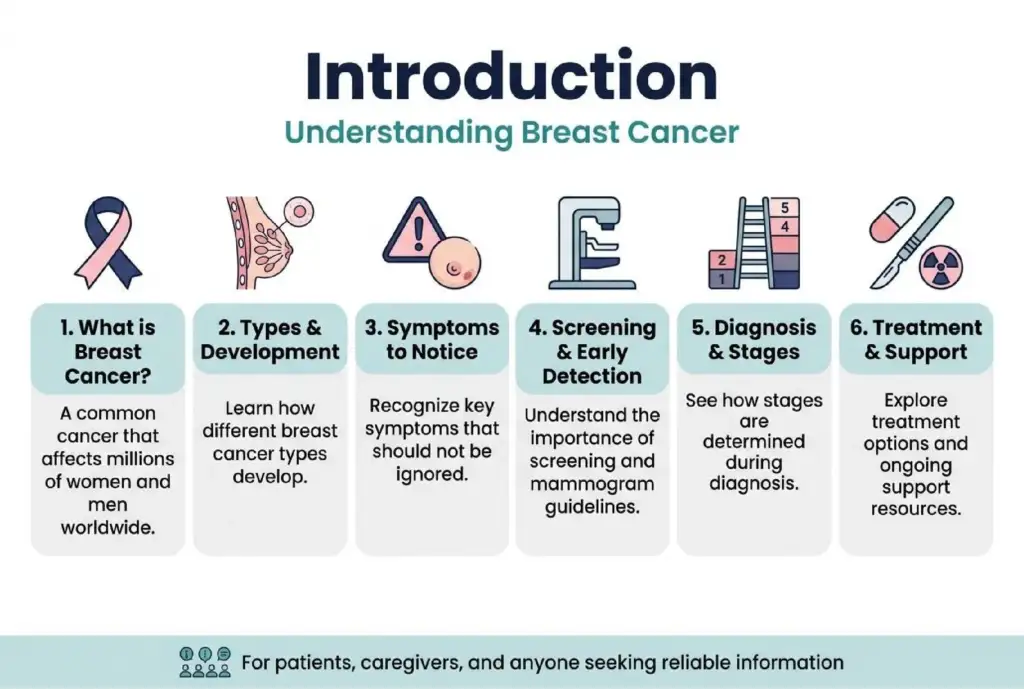
Breast cancer affects millions of women and men worldwide, making it one of the most common cancers today. This comprehensive guide is designed for patients, caregivers, and anyone seeking reliable information about breast cancer – from understanding the basics to navigating treatment options.
Whether you’re concerned about symptoms, want to learn about early detection, or need clarity on treatment approaches, we’ll walk you through the essential information you need to know. We’ll explore the different breast cancer types and how they develop, help you recognize key breast cancer symptoms that shouldn’t be ignored, and explain the importance of breast cancer screening and mammogram guidelines for early detection breast cancer.
You’ll also discover how breast cancer stages are determined during the breast cancer diagnosis process, learn about the range of breast cancer treatment options available today, and find valuable resources for ongoing support throughout your journey.
Understanding Breast Cancer: Types and Development
What Breast Cancer Is and How It Develops
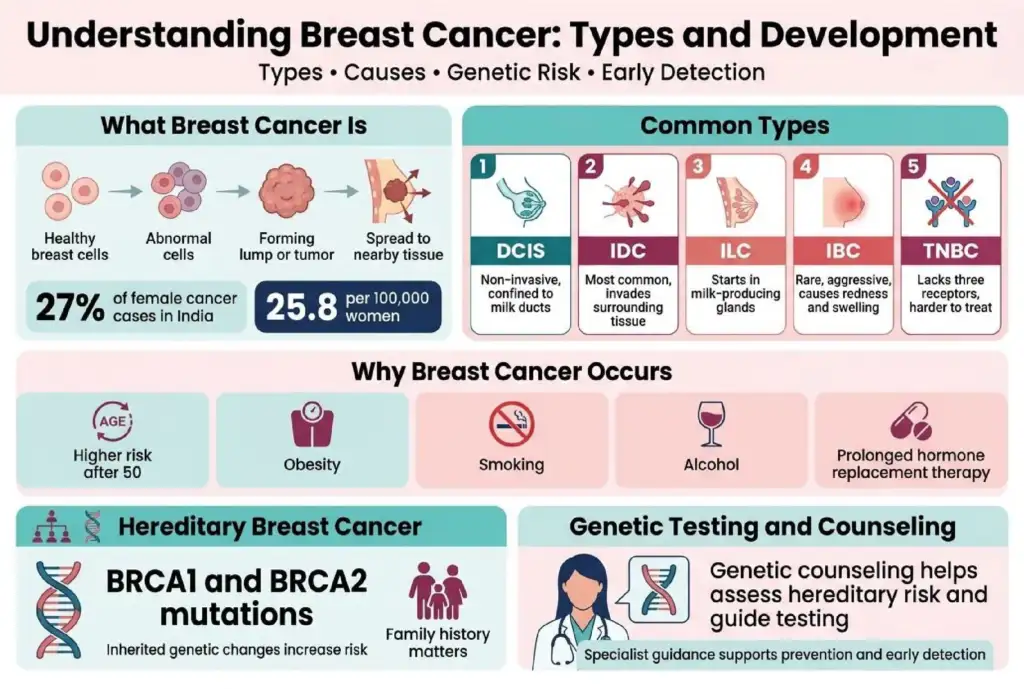
Breast cancer is the most common cancer among women worldwide, accounting for 27% of all female cancer cases in India, with an incidence rate of approximately 25.8 per 100,000 women. Breast cancer is the most common cancer among women in Surat. This disease originates when breast cells grow uncontrollably, forming a lump or tumor that can invade nearby tissues or spread to other parts of the body.
The development process begins when genetic mutations cause normal cells to become abnormal, multiplying rapidly to form a tumor and alter the breast’s appearance and texture. Understanding this cellular transformation is crucial for recognizing how breast cancer progresses from healthy tissue to malignant growth.
Common Types of Breast Cancer You Should Know
Several distinct breast cancer types exist, each with unique characteristics and treatment approaches. Ductal Carcinoma In Situ (DCIS) represents a non-invasive form confined to milk ducts, while Invasive Ductal Carcinoma (IDC) stands as the most prevalent type, spreading to surrounding tissues. Invasive Lobular Carcinoma (ILC) originates in milk-producing glands and spreads nearby.
Luminal cancers are hormone positive breast cancer (Estrogen/Progesterone Receptor positive). More aggressive forms include Inflammatory Breast Cancer (IBC), a rare type causing redness and swelling, and Triple Negative Breast Cancer (TNBC), which lacks three common receptors and proves challenging to treat. Each type requires specialized approaches for effective management and treatment.
Why Breast Cancer Occurs: Key Risk Factors
Breast cancer develops due to a combination of genetic, environmental, and lifestyle factors that influence cellular health. Age represents a primary risk factor, with increased likelihood particularly after 50 years old. Understanding these contributing elements helps identify individuals at higher risk.
Lifestyle factors including obesity, smoking, and alcohol consumption contribute to elevated breast cancer risks. Additionally, prolonged use of hormone replacement therapy can increase susceptibility to developing this disease, highlighting the importance of discussing treatment options with healthcare providers.
Hereditary Breast Cancer and Genetic Testing
Genetic mutations in BRCA1 and BRCA2 genes significantly elevate breast cancer risk, making hereditary factors a crucial consideration. These genetic mutations passed down from family members may predispose individuals to developing breast cancer, emphasizing the importance of family history assessment.
Genetic counseling, offered by specialists like Dr. Priyansh Jain, helps assess hereditary risks and determine appropriate testing strategies. This professional guidance enables informed decision-making regarding preventive measures and early detection protocols for those with genetic predispositions.
Recognizing Breast Cancer: Signs and Symptoms
Early Warning Signs to Watch For
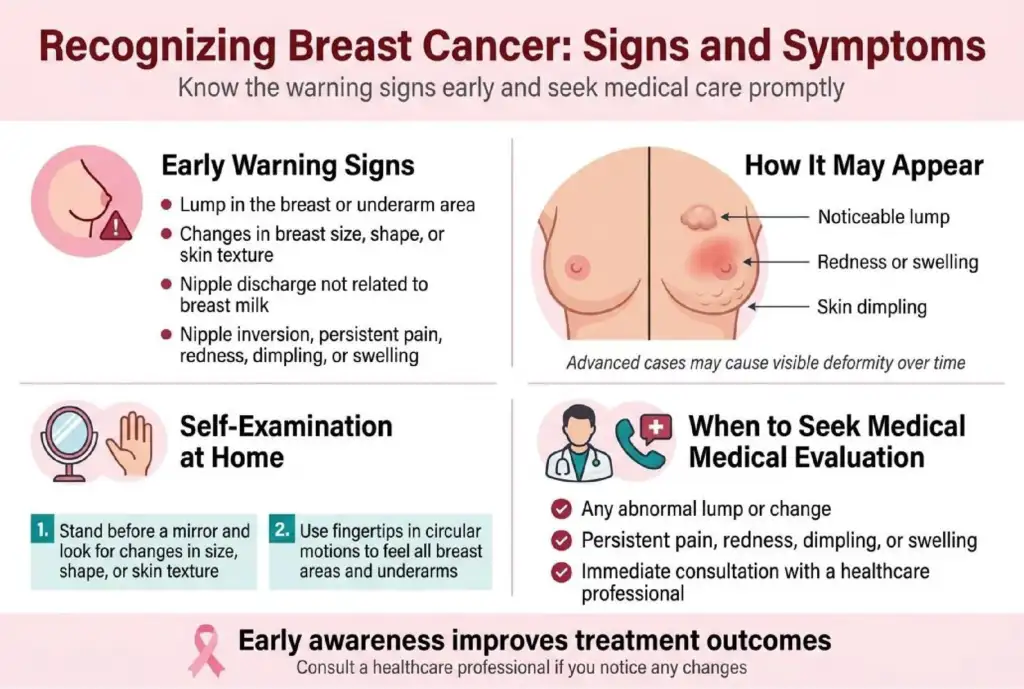
Recognizing breast cancer symptoms early significantly improves treatment outcomes. Key warning signs include a lump in the breast or underarm area, changes in breast size, shape, or skin texture, and nipple discharge that isn’t breast milk or nipple inversion. Additionally, persistent pain in the breast or nipple, along with redness, dimpling, or swelling of the breast skin should prompt immediate medical attention.
How Breast Cancer Appears Visually
Breast cancer may manifest visually as a noticeable lump, areas of redness, or characteristic skin dimpling on the breast surface. In more advanced cases, the condition can cause significant breast deformities that become increasingly apparent over time.
Performing Effective Self-Examinations at Home
Regular self-examinations involve both visual inspection and physical examination techniques. Stand before a mirror to observe any visible changes in breast size, shape, or skin texture. For physical examination, use your fingertips in circular motions to feel for lumps or irregularities, ensuring coverage of all breast areas and underarm regions.
When to Seek Professional Medical Evaluation
Any abnormalities discovered during self-examination warrant immediate consultation with a healthcare professional. As emphasized by Dr. Priyansh Jain, awareness of breast cancer symptoms is crucial for timely diagnosis and optimal treatment outcomes.
Breast Cancer Screening and Early Detection
Essential Screening Methods and Their Benefits
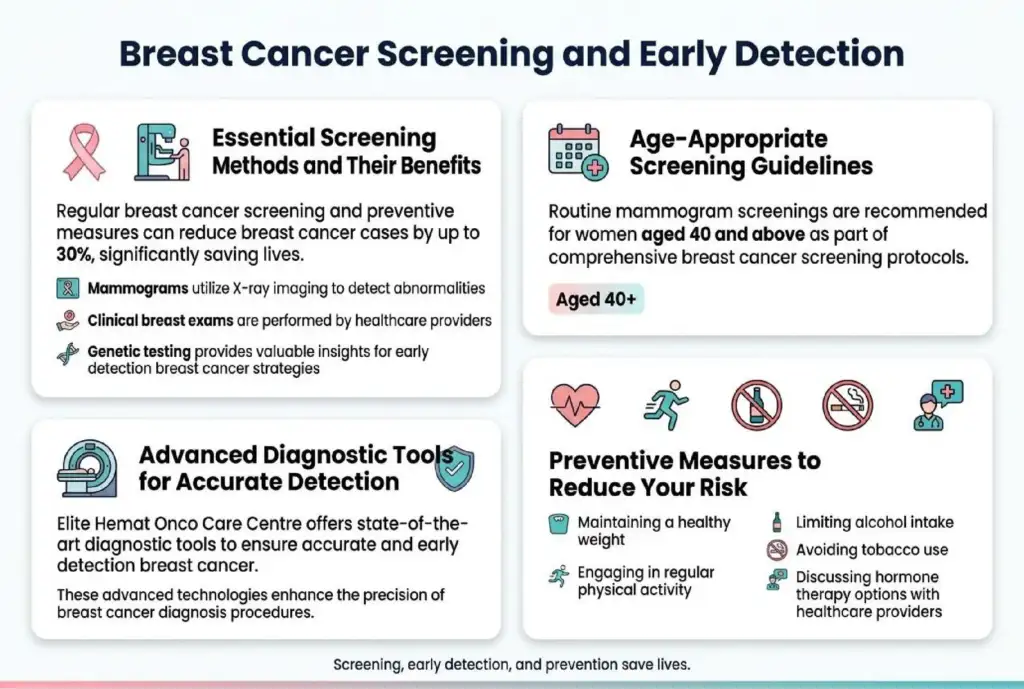
Regular breast cancer screening and preventive measures can reduce breast cancer cases by up to 30%, significantly saving lives. Mammograms utilize X-ray imaging to detect abnormalities, while clinical breast exams are performed by healthcare providers to identify potential concerns. For individuals with a family history of breast cancer, genetic testing provides valuable insights for early detection breast cancer strategies.
Age-Appropriate Screening Guidelines
Routine mammogram screenings are recommended for women aged 40 and above as part of comprehensive breast cancer screening protocols. These guidelines ensure timely detection when treatment options are most effective.
Preventive Measures to Reduce Your Risk
Key preventive strategies include maintaining a healthy weight, engaging in regular physical activity, and limiting alcohol intake. Additionally, avoiding tobacco use and discussing hormone therapy options with healthcare providers can significantly reduce your risk of developing breast cancer.
Breast Cancer Stages and Diagnosis Process
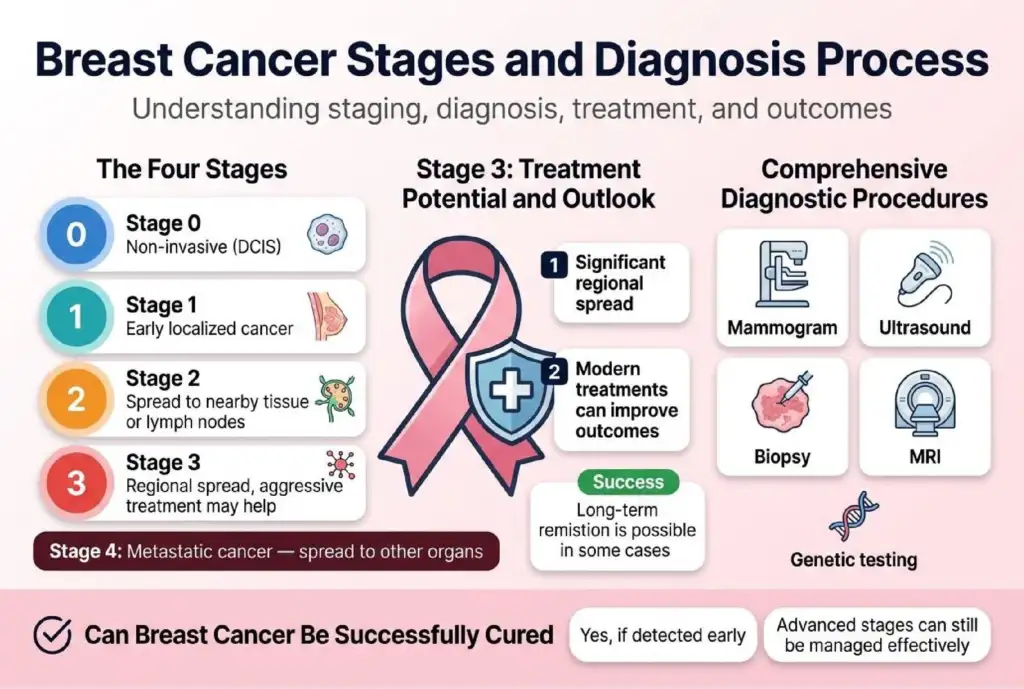
Understanding the Four Stages of Breast Cancer
Breast cancer staging helps determine the extent of disease spread throughout the body. Stage 0 represents non-invasive cancer, such as DCIS, where abnormal cells remain confined to their original location. Stages 1-3 indicate early to advanced localized cancer that has begun spreading to nearby tissues or lymph nodes but remains within the breast region.
Stage 4 represents metastatic cancer, the most advanced form where the disease has spread to other organs throughout the body. This comprehensive staging system guides treatment decisions and helps predict outcomes for breast cancer diagnosis and management.
Stage 3 Breast Cancer: Treatment Potential and Outlook
Stage 3 breast cancer indicates significant regional spread but may still be treatable with aggressive therapy approaches. Despite the advanced nature of this stage, modern breast cancer treatment options have significantly improved patient outcomes and survival rates.
With advanced treatments available today, long-term remission is possible in some cases of stage 3 breast cancer. Early detection breast cancer principles remain crucial, but even at this stage, comprehensive treatment strategies can effectively manage the disease and provide hope for positive outcomes.
Comprehensive Diagnostic Procedures
Mammograms and ultrasounds serve as primary tools to identify lumps or abnormalities during breast cancer screening procedures. These imaging techniques provide detailed views of breast tissue, helping detect potential concerns that require further investigation.
Biopsies involve collecting tissue samples that are examined under a microscope for definitive breast cancer diagnosis. MRI scans provide detailed imaging for complex cases, while genetic testing detects inherited mutations that may increase cancer risk, completing the comprehensive diagnostic approach.
Can Breast Cancer Be Successfully Cured
Yes, breast cancer can be successfully cured if detected early through proper screening and diagnostic procedures. Early-stage detection significantly improves treatment outcomes and provides the best chance for complete recovery from the disease.
Even advanced breast cancer stages can be managed effectively with modern therapies, significantly improving survival rates with timely intervention. Contemporary breast cancer treatment approaches have revolutionized patient care, offering hope and effective management strategies regardless of the stage at diagnosis.
Treatment Options and Management Strategies
Surgical Treatment Approaches
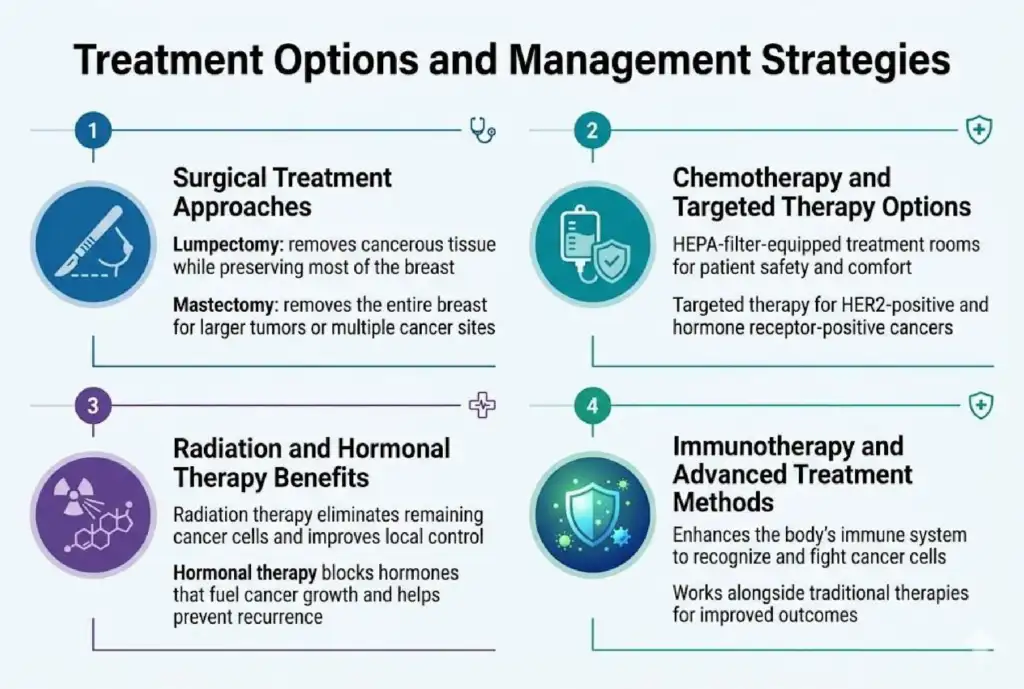
Surgery represents a cornerstone of breast cancer treatment, with two primary approaches available. Lumpectomy involves removing the cancerous tissue while preserving most of the breast, making it suitable for early-stage cancers. Mastectomy, which removes the entire breast, may be recommended for larger tumors or multiple cancer sites within the breast.
Oncoplastic Breast Surgery (OPBS) offers modern surgical treatment where cancer surgery meets cosmetic correction. It helps in cancer removal with restoration of breast size, shape and feel.
Other advanced surgery-like nipple sparing mastectomy and skin sparing mastectomy are also covered under OPBS.
Silicone implant and autologous tissue like LD/TRAM flap are also viable whole breast reconstruction option.
Chemotherapy and Targeted Therapy Options
Chemotherapy kills microscopic cells circulating in the blood. Targeted therapy offers precision treatment options, specifically designed for HER2-positive and hormone receptor-positive cancers, providing more personalized breast cancer treatment approaches.
Radiation and Hormonal Therapy Benefits
Radiation therapy delivers focused energy to eliminate remaining cancer cells, proving highly effective in local control of the disease. Hormonal therapy works by blocking hormones that fuel cancer growth, particularly beneficial for hormone-sensitive breast cancer types, helping prevent recurrence and progression.
Immunotherapy and Advanced Treatment Methods
Immunotherapy represents an innovative approach that enhances the body’s immune system capacity to recognize and fight cancer cells. This advanced treatment method offers new hope for patients with certain breast cancer types, working alongside traditional therapies to improve overall treatment outcomes and patient prognosis.
Special Considerations and Support Systems
Male Breast Cancer: Risks and Treatment
Men can develop breast cancer, although it is rare. Male breast cancer presents similar symptoms to female breast cancer, including lumps and nipple discharge. Timely diagnosis and treatment are crucial for men with breast cancer.
Survival Rates and Long-term Outcomes
While breast cancer can be life-threatening, early detection and advanced treatments significantly improve outcomes. Survival rates improve significantly with timely intervention, and even advanced stages can be managed effectively with modern therapies.
Comprehensive Support Services for Patients
Support systems, including psycho-oncology, nutritional counseling, and rehabilitation, play a vital role in managing side effects and improving quality of life for breast cancer patients. A multidisciplinary approach, including psycho-oncology and nutritional support, is offered to provide comprehensive breast cancer support.
Choosing the Right Breast Cancer Doctor
Dr. Priyansh Jain is an experienced oncoplastic breast cancer surgeon with more than 10 years of experience in breast cancer treatment and surgery. He specializes in modern breast cancer management, including breast conservation surgery and oncoplastic techniques that focus on both cancer treatment and cosmetic outcomes.
Dr. Priyansh Jain trained and worked with Dr. Navneet Kaur in Delhi, where he gained extensive experience in managing breast cancer patients. He has also published academic work related to breast cancer and surgical oncology.
Under the guidance of Dr. Dillip Kumar Muduly, he studied breast cancer data and advanced oncoplastic surgical techniques. His patient-centered approach combines evidence-based cancer care with compassionate support, helping patients achieve the best possible treatment and recovery outcomes.
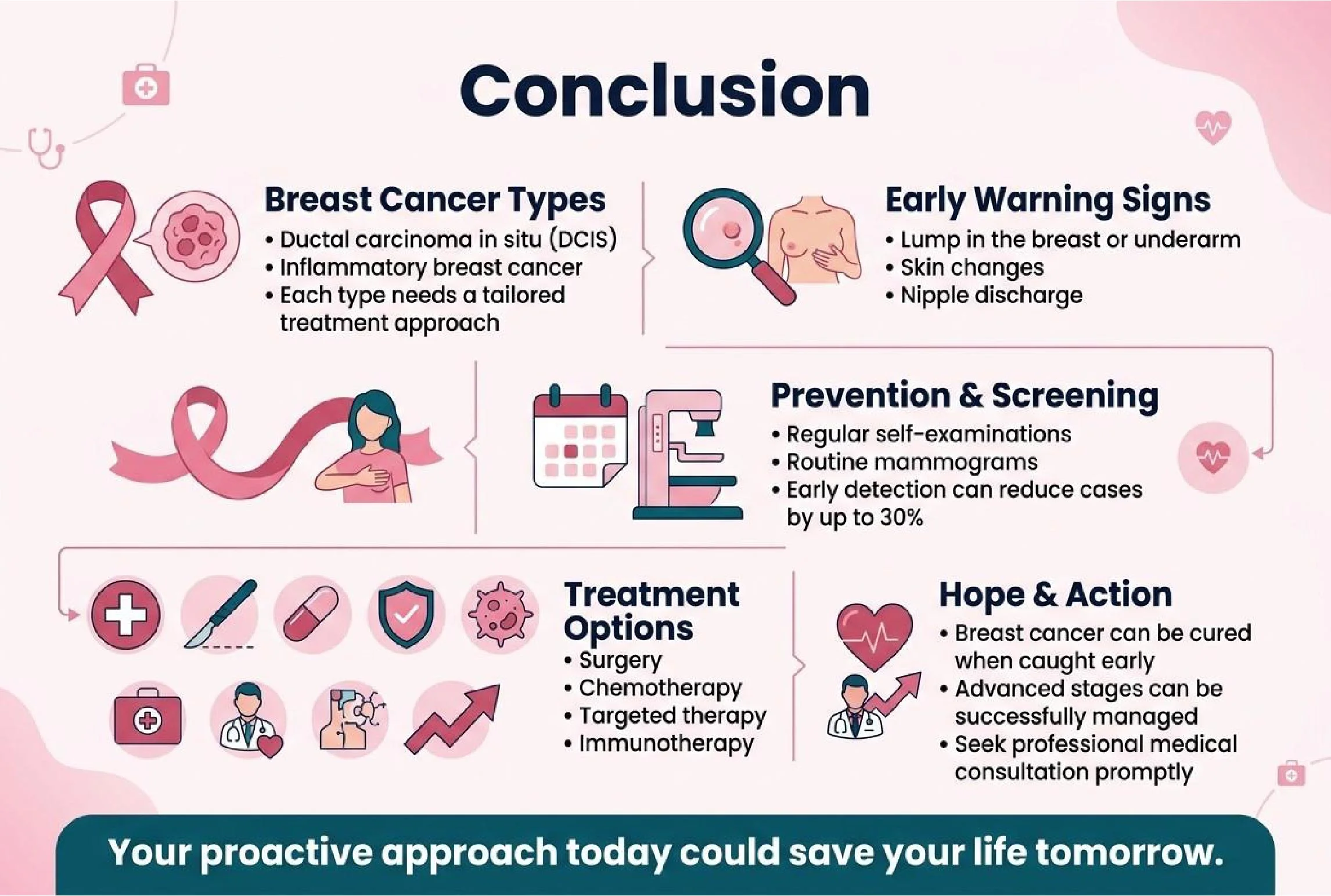
Breast cancer remains one of the most significant health challenges facing women worldwide, but understanding its types, recognizing early warning signs, and embracing preventive measures can dramatically improve outcomes. From ductal carcinoma in situ to inflammatory breast cancer, each type requires a tailored approach to treatment. Regular self-examinations, routine mammograms, and awareness of symptoms like lumps, skin changes, or nipple discharge serve as your first line of defense against this disease.
The journey through breast cancer diagnosis and treatment may seem overwhelming, but advances in medical technology and comprehensive care approaches offer hope and healing. Early detection through proper screening can reduce breast cancer cases by up to 30%, while modern treatment options including surgery, chemotherapy, targeted therapy, and immunotherapy provide effective pathways to recovery. Remember that breast cancer can be cured when caught early, and even advanced stages can be successfully managed with proper medical intervention. If you notice any concerning symptoms or have risk factors for breast cancer, seek professional medical consultation promptly—your proactive approach today could save your life tomorrow.
Also read,
Dr Priyansh Jain
Surgical Oncologist (Oncosurgeon)
Naman Cancer Clinic & Research Centre, Surat
Also read: Advanced Oncoplastic Breast Surgery with LICAP & LTAP Flaps
Also read: Breast Conservation Surgery with MICAP Flap Reconstruction for Breast Cancer