Cancer Second Opinion: Why It Matters Before Starting Treatment

Learn how a cancer second opinion can help you review your diagnosis, understand available treatment options and make a more informed decision before starting cancer treatment.
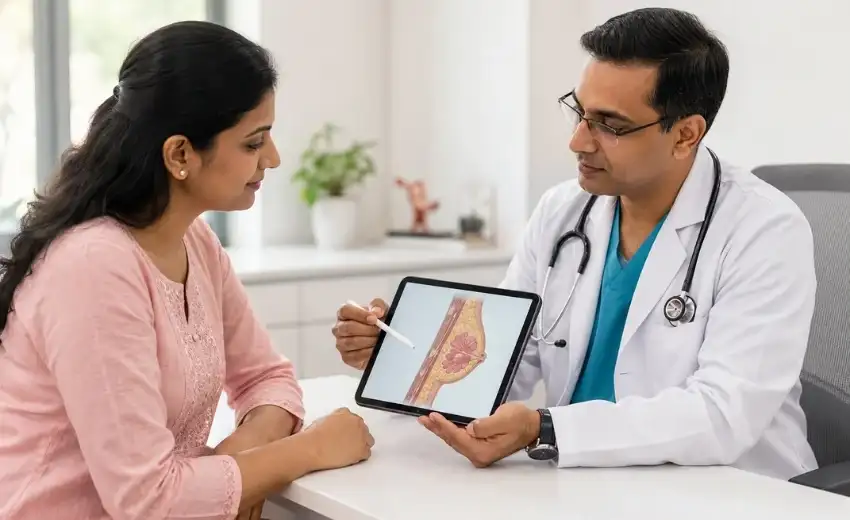
A cancer diagnosis can bring many questions and difficult decisions for patients and their families. After receiving a diagnosis, patients may want to understand whether the findings are clear, whether the recommended treatment is suitable and whether other treatment approaches are available. This is where a Cancer Second Opinion can be helpful. It involves asking another qualified cancer specialist to review the diagnosis, medical reports and proposed treatment plan. A second opinion may confirm the initial recommendation, provide additional information or suggest another approach based on the patient’s individual condition. It can help patients better understand their choices before starting treatment. Dr. Priyansh Jain, Surgical Oncologist in Surat, explains why a second opinion matters, when to consider one and how to prepare for a cancer consultation.
What Is a Cancer Second Opinion?
A cancer second opinion is an independent medical review of a patient’s cancer diagnosis, test results and proposed treatment plan by another qualified doctor or cancer specialist.
The second specialist may review:
- The biopsy and pathology reports.
- Imaging reports, such as CT, MRI or PET-CT scans.
- The type and stage of cancer, where established.
- The patient’s medical history and current health.
- The treatment recommended by the first doctor.
- Other potentially suitable treatment approaches.
After reviewing the available information, the second specialist may agree with the original diagnosis and treatment recommendation, request additional investigations, clarify certain findings or suggest a different treatment approach.
A second opinion does not automatically mean that the first diagnosis or treatment plan was incorrect. Its purpose is to provide another professional perspective and help patients make informed decisions about their care.
Why Is a Second Opinion Important Before Starting Cancer Treatment?
Cancer treatment decisions can involve surgery, chemotherapy, radiation therapy, targeted therapy, immunotherapy or a combination of approaches. The most appropriate option depends on several factors, including the cancer type, stage, location, test results and the patient’s overall health.
A second opinion can help patients understand these decisions more clearly.
1. To Review and Confirm the Cancer Diagnosis
An accurate diagnosis is an important foundation for cancer treatment. A second specialist can review the biopsy findings, pathology report, imaging and other investigations to assess whether the available information supports the diagnosis.
In selected cases, the specialist may recommend an additional test or request a review of the pathology slides. This may be particularly relevant when findings are unusual, unclear or inconsistent with other clinical information.
2. To Understand the Stage and Extent of Cancer
Cancer staging helps doctors understand the extent of the disease and plan appropriate treatment. Depending on the cancer type, staging may involve physical examination, imaging, biopsy findings and other investigations.
A second opinion can provide another review of the available staging information and help patients understand whether additional investigations are needed.
Staging methods differ between cancer types, so the assessment must be specific to the patient’s diagnosis.
3. To Explore Available Treatment Options
Depending on the diagnosis, patients may have more than one possible treatment approach. These may include:
- Surgery to remove a tumour when appropriate.
- Chemotherapy to treat cancer using medicines.
- Radiation therapy to target cancer cells in a specific area.
- Targeted therapy for cancers with suitable molecular characteristics.
- Immunotherapy for selected cancers and eligible patients.
- Hormone therapy for certain hormone-sensitive cancers.
- A combination of treatments planned by a multidisciplinary team.
A second opinion may help patients understand which options are relevant to their particular cancer, the expected benefits and limitations, and why a specialist recommends one approach over another.
Not every treatment is appropriate for every patient. The final plan should be based on the diagnosis and individual medical assessment.
4. To Understand Whether Cancer Surgery Is Appropriate
For some cancers, surgery may be an important part of treatment. However, the suitability of surgery depends on the tumour’s location, size, extent, involvement of nearby structures, the patient’s overall health and other clinical findings.
A second opinion from a suitably experienced surgical oncologist may help patients understand:
- Whether surgery is being considered.
- The purpose and possible extent of the operation.
- Whether other treatments may be recommended before or after surgery.
- Potential surgical risks and recovery expectations.
- Whether further investigations are required before making a decision.
Patients should ask the surgeon about their experience with the specific procedure and where the operation would be performed.
5. To Understand the Benefits and Risks of Treatment
Every cancer treatment has potential benefits, limitations and side effects. Understanding these factors can help patients and families make decisions that reflect their medical needs and personal priorities.
During a second opinion consultation, patients can ask about expected treatment outcomes, possible complications, recovery time, side effects and the impact on everyday activities.
6. To Get Another Perspective for Rare or Complex Cancers
Some cancers are uncommon or require specialised treatment planning. In such situations, a review by a specialist with relevant experience may provide useful additional information.
A multidisciplinary team may also be involved. Depending on the case, this can include surgical oncologists, medical oncologists, radiation oncologists, radiologists and pathologists.
7. To Feel More Informed Before Making a Treatment Decision
A cancer diagnosis can be emotionally overwhelming. Patients may find it difficult to remember every detail explained during an initial consultation.
A second opinion provides an opportunity to ask questions, clarify unfamiliar medical terms and understand the available choices. Even when both doctors recommend the same treatment, the additional explanation may help patients feel more informed about the decision.
When Should You Consider a Cancer Second Opinion?
A second opinion may be useful in several situations. Patients may consider another specialist’s review when:
- They have recently received a cancer diagnosis and want to understand the proposed treatment.
- The biopsy or pathology findings are unclear or need further review.
- They have been diagnosed with a rare or unusual cancer.
- Different doctors have recommended different treatment approaches.
- They are considering a major or complex cancer surgery.
- They have been offered several treatment options and are unsure which is suitable.
- They want to understand the possible benefits and risks of a recommended treatment.
- Their cancer has not responded as expected to the current treatment.
- They feel they need more information before making an important decision.
A second opinion can also be requested after treatment has started. Patients should discuss the timing with their current treating team, particularly if the cancer requires urgent treatment.
What Medical Documents Should You Carry for a Second Opinion?
Preparing the relevant medical records can help the second specialist understand the case more efficiently and reduce the possibility of repeating investigations unnecessarily.
Patients should try to arrange the following documents:
1. Biopsy and Pathology Reports
Carry the biopsy report and any additional pathology reports. If a review of the original tissue sample is required, ask the hospital or laboratory about the availability of pathology slides and tissue blocks.
2. Imaging Reports and Scan Images
Bring reports and available images from investigations such as:
- CT scans.
- MRI scans.
- PET-CT scans.
- Ultrasound examinations.
- Mammography, where relevant.
- X-rays and other relevant imaging studies.
The actual scan images may be useful in addition to the written reports.
3. Blood Test and Other Investigation Reports
Carry relevant blood test results, tumour marker reports where applicable, molecular or genetic test reports if performed, and other investigations related to the diagnosis.
4. Previous Treatment Records
If treatment has already started, provide details of surgery, chemotherapy, radiation therapy or other treatments received. Include discharge summaries, operation notes and treatment schedules where available.
5. Current Medicines and Medical History
Prepare a list of current medicines, allergies, existing medical conditions and previous major surgeries. Include the doses of medicines when possible.
6. The Original Treatment Recommendation
Bring the treatment plan suggested by the first doctor. This allows the second specialist to understand the recommendation and explain whether they agree with it or suggest further evaluation.
Does Getting a Second Opinion Mean Changing Your Doctor?
No. Getting a second opinion does not mean that patients must change their existing doctor or hospital.
The second specialist may agree with the original treatment plan. If the recommendations differ, patients can discuss the reasons for the differences with both doctors.
The patient may then decide how to proceed after understanding the diagnosis, available treatment options, potential risks and individual medical circumstances.
It is often helpful to keep the original treating doctor informed and request that relevant medical records are shared between the specialists when appropriate.
Can a Second Opinion Delay Cancer Treatment?
Patients and families sometimes worry that seeking another opinion could delay treatment. The appropriate timing depends on the type of cancer, its stage, symptoms and clinical urgency.
For some cancers, a short period may be available to review the diagnosis and treatment options. Other situations may require prompt medical decisions.
Patients should ask their treating doctor how quickly treatment needs to begin and whether there is a medically appropriate time to obtain another opinion. They should not postpone urgent treatment or investigations without discussing the risks with their healthcare team.
How to Choose the Right Specialist for a Cancer Second Opinion
Choosing a qualified specialist is an important part of the process. Patients should consider:
- Relevant specialisation: Select a doctor whose specialty is appropriate for the type of cancer and treatment being considered.
- Experience: Ask about experience managing the specific cancer or performing the proposed procedure.
- Hospital facilities: Understand where investigations, surgery and other treatments would be carried out.
- Multidisciplinary care: Ask whether the case can be discussed with other relevant specialists when needed.
- Clear communication: Choose a specialist who explains the diagnosis, options, benefits and risks in understandable language.
- Medical records review: Ensure the specialist has access to the relevant reports and investigation images.
A second opinion should be based on qualified medical assessment, not simply on promotional claims or promises of guaranteed results.
Cancer Second Opinion in Surat: Getting Guidance Before Treatment
Patients searching for a Cancer Second Opinion in Surat may want an additional specialist review before deciding on surgery or another cancer treatment. A careful consultation can help patients understand their diagnosis, review available reports and discuss the treatment approaches relevant to their condition.
Dr. Priyansh Jain is a Surgical Oncologist in Surat. Patients can consult him to discuss cancer-related concerns, surgical treatment considerations and the next steps in their care.
Patients should bring their biopsy reports, scan images, previous treatment records and the proposed treatment plan to help make the consultation more informative.
The purpose of a second opinion is not to create confusion or unnecessarily change an existing treatment plan. It is to help patients understand their medical situation and make informed decisions in consultation with qualified specialists.
Frequently Asked Questions (FAQs)
1. What is a second opinion in cancer treatment?
A cancer second opinion is a review of a patient’s diagnosis, medical reports and proposed treatment plan by another qualified cancer specialist. The second doctor may confirm the original recommendation, provide additional information or suggest another approach.
2. Is it necessary to get a second opinion after a cancer diagnosis?
A second opinion is not compulsory for every patient. However, it may be useful when the diagnosis is unclear, the cancer is rare or complex, treatment options differ, or the patient wants additional information before making a decision.
3. Can a second opinion change my cancer treatment plan?
It may. Another specialist may agree with the existing plan, request further tests or recommend a different approach based on the patient’s medical information. Any change should be discussed carefully with the treating team.
4. Should I get a second opinion before cancer surgery?
Patients considering major or complex cancer surgery may find it helpful to discuss the proposed procedure with another suitably qualified specialist. The consultation can clarify the purpose of surgery, potential risks, alternatives and expected recovery.
5. Can I get a second opinion without changing my current doctor?
Yes. Patients can seek another medical opinion while continuing their relationship with their current doctor. They do not have to switch doctors simply because they have requested an additional review.
6. Which reports are needed for a cancer second opinion?
Relevant documents usually include biopsy and pathology reports, scan reports and images, blood test results, previous treatment records, discharge summaries, operation notes and a list of current medicines.
7. Is a second opinion useful for rare cancers?
It may be particularly useful for rare or unusual cancers because another specialist with relevant experience may provide additional insight into the diagnosis and available treatment approaches.
8. Can I get a second opinion after starting cancer treatment?
Yes. A patient may seek another opinion during or after treatment. The second specialist can review the treatment history and current medical condition. Patients should discuss any proposed changes with their existing care team.
9. Will getting a second opinion delay cancer treatment?
It depends on the type and urgency of the cancer. Patients should ask their treating doctor whether there is enough time for another consultation and should not delay urgent treatment without medical guidance.
10. Where can I get a cancer second opinion in Surat?
Patients in Surat can seek consultation with a qualified cancer specialist whose expertise is relevant to their diagnosis and proposed treatment. Dr. Priyansh Jain, Surgical Oncologist in Surat, can be approached to discuss cancer-related concerns and surgical treatment considerations.
Conclusion
A Cancer Second Opinion can be a valuable step for patients who want to understand their diagnosis and treatment options before making important decisions. Reviewing biopsy findings, imaging reports and the proposed treatment plan with another qualified specialist may confirm the original recommendation, clarify uncertainties or provide additional treatment perspectives.
Patients should prepare their medical records, ask clear questions and discuss the timing of another consultation with their current treating doctor. A second opinion should support informed decision-making without causing unnecessary delays in urgent care.
For patients and families seeking guidance about cancer diagnosis and surgical treatment considerations, Dr. Priyansh Jain, Surgical Oncologist in Surat, can be consulted to discuss appropriate next steps.
Also read,
Dr Priyansh Jain
Surgical Oncologist (Oncosurgeon) – Naman Cancer Clinic & Research Centre, Surat
Also read: Advanced Oncoplastic Breast Surgery with LICAP & LTAP Flaps
Also read: Breast Conservation Surgery with MICAP Flap Reconstruction for Breast Cancer
Also read: Robotic Cancer Surgery
Also read: National Cancer Institute — Childhood Cancers
Facebook Link: https://www.facebook.com/DrpriyanshOncologist/
Instagram: https://www.instagram.com/dr_priyanshjain/