
Oral Cancer Prevention in Surat: 7 Ways to Protect Your Smile
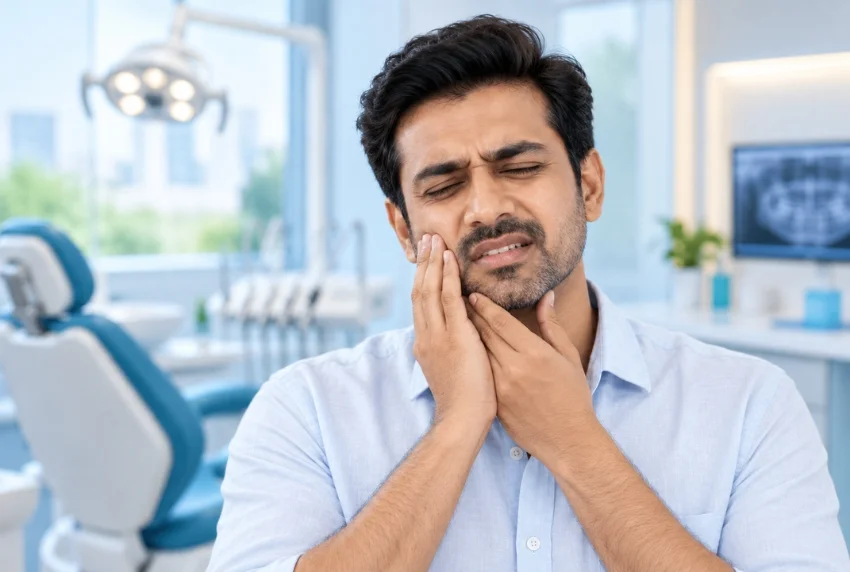
Simple Prevention Steps, Warning Signs and Early Care for Better Oral Health
Introduction
Oral Cancer Prevention in Surat starts with understanding the risk factors that can affect the mouth, tongue, gums, cheeks and other areas of the oral cavity. Tobacco use, smokeless tobacco, gutka and other areca-nut products, alcohol consumption and certain HPV infections are associated with an increased risk of oral and related head and neck cancers. Avoiding preventable risk factors and paying attention to persistent changes in the mouth can help people take timely action.
Protecting your smile is about more than maintaining healthy teeth and gums. It also means knowing your oral health risk, avoiding harmful habits and seeking medical evaluation when an unusual mouth lesion, sore or other persistent change does not heal. If you have concerns about oral cancer, an experienced oral cancer specialist can evaluate your symptoms and recommend appropriate investigations.
What Is Oral Cancer?
Oral cancer is cancer that develops in tissues of the mouth, including areas such as the lips, tongue, gums, inner lining of the cheeks, floor of the mouth and other parts of the oral cavity.
Oral cancer is part of the broader group of head and neck cancers. The exact cause may vary from person to person, but several established risk factors can increase the likelihood of developing these cancers.
Understanding these risk factors is an important part of Oral Cancer Prevention in Surat and anywhere else.
Why Is Oral Cancer Prevention Important?
Prevention focuses on reducing exposure to avoidable risk factors and recognizing concerning changes early.
Tobacco use is a major risk factor for oral and other head and neck cancers. Alcohol is also an important risk factor, and using tobacco and alcohol together can increase risk further. Betel quid and areca-nut chewing are also established risk factors, particularly in South Asia.
Prevention does not mean that every case of oral cancer can be avoided. Some risk factors cannot be controlled, and cancer can occur in people without obvious risk factors. However, reducing preventable risks remains an important part of cancer awareness.
7 Ways to Support Oral Cancer Prevention in Surat
1. Avoid Tobacco in All Forms
One of the most important steps in Oral Cancer Prevention in Surat is avoiding tobacco.
Smoking and smokeless tobacco products can increase the risk of cancers affecting the oral cavity and other parts of the head and neck. This includes cigarettes, bidis, cigars, chewing tobacco and other tobacco-containing products.
If you currently use tobacco, quitting can help reduce your future cancer risk. NCI reports that smoking cessation is associated with a substantial reduction in the risk of oral cavity and related cancers over time.
2. Avoid Gutka, Paan and Areca Nut Products
Chewing products containing areca nut is another important oral cancer risk factor.
Areca nut is carcinogenic, and betel quid or gutka may contain areca nut with or without tobacco. Regular or long-term chewing can increase the risk of cancers of the oral cavity and oropharynx.
For people looking for practical ways to reduce oral cancer risk, avoiding these products is an important step.
3. Limit or Avoid Alcohol
Alcohol consumption is associated with an increased risk of cancers of the mouth, throat and other parts of the head and neck. The risk increases with greater alcohol consumption.
The combination of alcohol and tobacco is particularly concerning because the combined risk is greater than either exposure alone.
4. Know the Role of HPV
Certain types of human papillomavirus, particularly HPV-16, are associated with an increased risk of oropharyngeal cancer. HPV is therefore an important part of modern head and neck cancer awareness.
Talk with a qualified healthcare professional about HPV vaccination and whether it is appropriate for you or your family based on age and individual circumstances.
5. Pay Attention to Persistent Changes in Your Mouth
Knowing the warning signs is an important part of oral cancer awareness.
Speak with a healthcare professional if you notice a persistent:
- Mouth sore or ulcer
- White or red patch
- Lump or thickened area
- Unexplained bleeding
- Persistent pain
- Difficulty chewing or swallowing
- Difficulty moving the tongue or jaw
- Numbness in part of the mouth
- Change in voice or other persistent symptoms
These symptoms do not automatically mean cancer. Many oral conditions are not cancerous. However, persistent or unexplained changes should be professionally evaluated rather than ignored.
6. Seek Timely Oral Cancer Screening and Evaluation
If you have persistent oral symptoms or significant risk factors, timely professional evaluation can be important.
An oral examination may help identify suspicious changes that require further assessment. Depending on the clinical findings, your doctor may recommend additional investigations or referral to an appropriate specialist.
Oral Cancer Screening in Surat can be particularly important for people with significant tobacco, alcohol or areca-nut exposure or other concerning symptoms.
7. Don’t Ignore a Lesion That Does Not Heal
A mouth ulcer or lesion that does not heal as expected should not be repeatedly ignored or self-treated without evaluation.
If a persistent abnormality is present, a doctor may examine the area and determine whether additional testing, such as a biopsy, is appropriate.
Early professional assessment does not mean that a lesion is cancer. It means that the underlying cause can be identified and managed appropriately.
What Are the Common Risk Factors for Oral Cancer?
Several factors can increase the risk of oral and related head and neck cancers.
Important risk factors include:
- Tobacco smoking
- Smokeless tobacco
- Gutka and tobacco-containing chewing products
- Betel quid and areca-nut chewing
- Alcohol consumption
- Combined tobacco and alcohol exposure
- Certain HPV infections
- Previous head and neck cancer
NCI identifies tobacco, alcohol, betel quid chewing and certain HPV infections among important risk factors for oral and related head and neck cancers.
How Does Tobacco Increase Oral Cancer Risk?
Tobacco exposes the tissues of the mouth and upper airway to cancer-causing substances.
Both smoked and smokeless tobacco can contribute to cancer risk. The risk is influenced by factors such as the type of tobacco, amount and duration of exposure.
Stopping tobacco use is therefore one of the most important controllable steps a person can take to support Oral Cancer Prevention.
Does Chewing Tobacco or Areca Nut Cause Oral Cancer?
Yes. Tobacco-containing chewing products increase the risk of oral cancer. Areca nut itself is also considered carcinogenic.
Betel quid containing areca nut, with or without tobacco, is associated with increased risks of oral cavity and oropharyngeal cancers.
This is especially relevant in India and other South Asian countries where chewing products may be commonly available.
Can Oral Cancer Be Prevented Completely?
No prevention strategy can guarantee that a person will never develop cancer.
However, avoiding known risk factors can help lower the risk of certain cancers. Tobacco cessation, avoiding areca-nut and betel-quid products, reducing harmful alcohol exposure and paying attention to persistent oral changes are important prevention and awareness measures.
When Should You See an Oral Cancer Specialist in Surat?
Consider seeking professional evaluation if you have a persistent mouth ulcer, unexplained lump, red or white patch, bleeding, pain, difficulty swallowing, difficulty moving the tongue or jaw, or another unusual oral change that does not resolve.
People with significant tobacco, alcohol or areca-nut exposure should also discuss their oral health concerns with a qualified healthcare professional.
An early consultation does not necessarily mean you have oral cancer. It provides an opportunity to identify the cause of the symptoms and determine whether further evaluation is needed.
Oral Cancer Prevention in Surat with Dr. Priyansh Jain
Dr. Priyansh Jain is a Surgical Oncologist in Surat with expertise in the evaluation and surgical management of cancers, including oral and head and neck cancers.
At Naman Cancer Clinic & Research Centre, patients can discuss concerning symptoms, abnormal findings and appropriate next steps for cancer evaluation and treatment.
For patients concerned about Oral Cancer in Surat, a timely consultation can help determine whether further examination or diagnostic testing is required.
Treatment decisions are individualized according to the patient’s symptoms, diagnosis, cancer stage, pathology and overall health.
How Can Families Support Oral Cancer Awareness?
Family members can play an important role by encouraging loved ones to stop tobacco and areca-nut use, avoid harmful habits and seek medical evaluation for persistent oral changes.
Instead of ignoring a mouth ulcer, lump or patch, encourage timely professional assessment, particularly when the person has a history of tobacco, gutka, areca-nut or significant alcohol exposure.
Awareness and timely action can make a meaningful difference in the cancer care journey.
Frequently Asked Questions
How can I reduce my risk of oral cancer?
Avoiding tobacco, gutka, betel quid and areca-nut products is an important step. Limiting or avoiding alcohol and discussing HPV vaccination with a healthcare professional may also be appropriate depending on individual circumstances.
Does quitting tobacco reduce oral cancer risk?
Yes. Tobacco cessation is associated with a reduction in the risk of oral and related head and neck cancers over time.
Does chewing gutka increase oral cancer risk?
Yes. Gutka commonly contains tobacco and areca nut, both of which are important oral cancer risk factors.
Can areca nut cause oral cancer?
Areca nut is considered carcinogenic, and chewing betel quid or areca-nut products is associated with increased oral and oropharyngeal cancer risk.
What are early warning signs of oral cancer?
Persistent mouth sores, white or red patches, unexplained lumps, bleeding, pain, numbness or difficulty chewing, swallowing or moving the tongue or jaw can require medical evaluation. These symptoms can have many causes, so professional assessment is important.
When should I consult an Oral Cancer Specialist in Surat?
You should consider professional evaluation for persistent or unexplained changes in your mouth, particularly if you have tobacco, alcohol or areca-nut exposure or other risk factors.
Conclusion
Oral Cancer Prevention in Surat begins with awareness, healthier choices and timely attention to changes in the mouth. Avoiding tobacco, gutka, betel quid and areca-nut products, reducing harmful alcohol exposure and understanding important risk factors can help lower the risk of oral and related head and neck cancers.
If you notice a persistent mouth ulcer, patch, lump, pain, bleeding or another unusual change, do not ignore it. Seek professional medical evaluation to understand the cause and determine whether further investigation is needed.
Protect your smile by protecting your oral health, knowing your risks and seeking timely care when something does not feel right.
Also read,
Dr Priyansh Jain
Surgical Oncologist (Oncosurgeon) – Naman Cancer Clinic & Research Centre, Surat
Also read: Advanced Oncoplastic Breast Surgery with LICAP & LTAP Flaps
Also read: Breast Conservation Surgery with MICAP Flap Reconstruction for Breast Cancer
Also read: Robotic Cancer Surgery
Facebook Link: https://www.facebook.com/DrpriyanshOncologist/
Instagram: https://www.instagram.com/dr_priyanshjain/