Nutrition During Chemotherapy: Foods, Diet Tips and Patient Care
A Practical Guide to Foods, Balanced Nutrition, Hydration and Dietary Care During Cancer Treatment
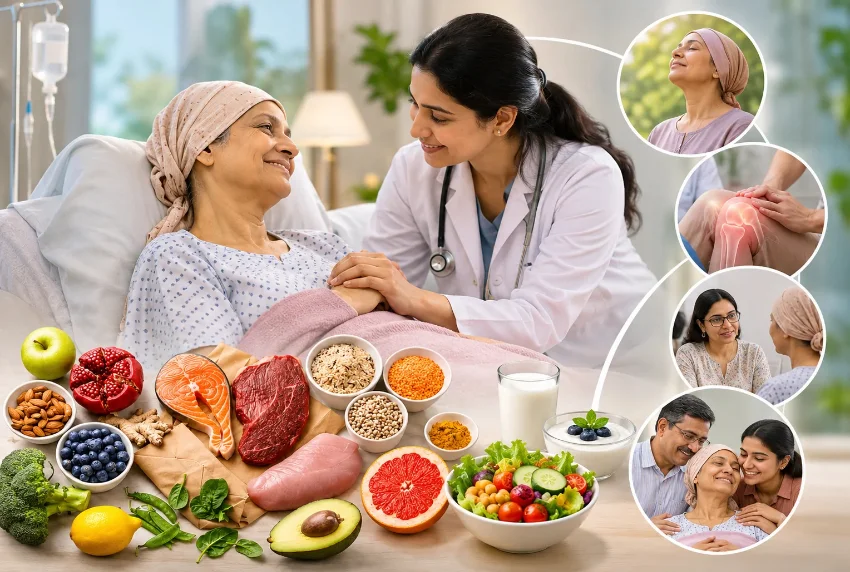
Nutrition during chemotherapy is an important part of supporting a person’s overall health and well-being during cancer treatment. Chemotherapy can affect appetite, taste, digestion and the body’s ability to eat comfortably. Some patients experience nausea, vomiting, mouth sores, constipation, diarrhoea or changes in food preferences. These side effects can make it difficult to maintain regular eating habits.
Choosing suitable foods and following an individualised diet plan can help patients meet their nutritional needs, maintain strength and manage eating-related difficulties. Depending on the patient’s condition, a chemotherapy diet may include protein-rich foods, adequate calories, fluids and foods that are easier to tolerate.
There is no single diet that is suitable for every cancer patient. Food choices depend on the type of cancer, chemotherapy medicines, side effects, nutritional status, other medical conditions and advice from the treating healthcare team.
In this guide, we discuss what to eat during chemotherapy, useful diet tips, foods that may need extra care, hydration, food safety and the importance of personalised nutrition support.
Why Is Nutrition Important During Chemotherapy?
Chemotherapy medicines are used to treat cancer, but they may also affect healthy cells in the mouth and digestive system. As a result, patients can experience changes that interfere with normal eating and drinking.
Good nutrition during chemotherapy can help patients:
- Maintain adequate calorie and protein intake.
- Support muscle strength and general nutritional status.
- Manage treatment-related eating difficulties.
- Maintain hydration.
- Reduce the risk of nutritional deficiencies and malnutrition.
- Support recovery and everyday functioning.
Some patients may need more calories and protein than they did before treatment. Others may require changes in food texture, meal size or food choices because of particular symptoms.
A registered dietitian or qualified healthcare professional can assess nutritional needs and recommend an appropriate diet plan.
What Foods Should You Eat During Chemotherapy?
A chemotherapy diet should be planned according to the patient’s appetite, digestion, treatment side effects and medical requirements. When tolerated, a variety of foods can help provide protein, carbohydrates, healthy fats, vitamins, minerals and fluids.
1. Protein-Rich Foods
Protein helps maintain muscles and supports the body’s normal repair processes. Patients who are eating less or losing weight may need particular attention to protein intake.
Suitable protein sources may include:
- Fully cooked eggs.
- Well-cooked chicken and fish.
- Milk, curd, paneer and other pasteurised dairy products.
- Dal and well-cooked lentils.
- Beans and chickpeas, if tolerated.
- Tofu and soy-based foods.
- Nut butters and thoroughly cooked nuts or seeds, where suitable.
The best sources depend on the patient’s digestion, food preferences, allergies and medical restrictions.
2. Fruits and Vegetables
Fruits and vegetables can provide vitamins, minerals, fibre and other nutrients. However, food safety and individual tolerance are especially important during chemotherapy.
Options may include:
- Bananas.
- Apples that are washed carefully or cooked, if preferred.
- Papaya that is properly washed, peeled and prepared safely.
- Cooked carrots.
- Well-cooked spinach and other vegetables.
- Pumpkin and bottle gourd.
- Other thoroughly washed and safely prepared seasonal produce.
Patients with mouth sores, diarrhoea or digestive sensitivity may need to modify the texture or type of fruit and vegetables they eat.
Follow the treating team’s advice about raw produce, especially if blood counts are low or immunity is weakened.
3. Whole Grains and Energy-Giving Foods
Carbohydrate-containing foods provide energy and can help patients meet their daily calorie needs.
Depending on tolerance, options may include:
- Rice.
- Soft chapati.
- Oats.
- Dalia.
- Khichdi.
- Well-cooked potatoes.
- Bread and other grain-based foods.
If a patient has diarrhoea, constipation or digestive problems, the amount and type of fibre may need to be adjusted with professional guidance.
4. Healthy Sources of Fat
Fats provide concentrated energy and can help increase calorie intake when appetite is low.
Depending on the patient’s dietary needs, suitable choices may include:
- Olive oil.
- Groundnut oil.
- Other commonly used vegetable oils.
- Avocado.
- Nut butter.
- Nuts and seeds, if safe and tolerated.
The quantity and type of fat should be adjusted if the patient experiences nausea, diarrhoea or difficulty digesting fatty foods.
5. Foods That Are Easy to Eat
When appetite is poor or chewing is difficult, soft and simple foods may be easier to manage.
Examples include:
- Soft khichdi.
- Vegetable soup.
- Curd rice, if dairy is tolerated.
- Well-cooked dal.
- Soft scrambled eggs.
- Smooth porridge.
- Mashed potatoes.
- Smoothies prepared with safely handled ingredients.
Choose foods that the patient can tolerate. There is no need to force a particular food if its smell, taste or texture makes nausea worse.
Protein-Rich Foods for Cancer Patients During Chemotherapy
Adequate protein intake is important because cancer and its treatment may contribute to muscle loss, reduced appetite and changes in nutritional status.
Some commonly available protein sources include:
| Food | Protein contribution |
|---|---|
| Eggs | Convenient source of protein when fully cooked |
| Milk and curd | Provide protein and other nutrients |
| Paneer | Protein-rich dairy option |
| Dal and lentils | Plant-based protein sources |
| Chickpeas and beans | Provide protein and fibre |
| Chicken and fish | Animal-based protein sources when fully cooked |
| Tofu and soy foods | Plant-based protein options |
The amount of protein a patient needs depends on body weight, nutritional status, kidney function, treatment and other health conditions. A dietitian can help calculate an appropriate daily requirement.
Diet Tips for Managing Common Chemotherapy Side Effects
Chemotherapy can affect people differently. A food that suits one patient may not suit another. The following suggestions are general approaches that may help with common eating-related problems.
1. When You Have Nausea or Vomiting
Nausea can make food unappealing and reduce appetite. Try the following approaches if they are suitable for you:
- Eat small meals and snacks more frequently.
- Choose foods with mild smells.
- Try plain toast, crackers or other simple foods if tolerated.
- Eat slowly and avoid very large meals.
- Sip fluids regularly.
- Avoid greasy, heavily spiced or strongly scented foods if they trigger nausea.
- Ask your doctor about medicines to prevent or manage chemotherapy-related nausea.
Repeated vomiting or difficulty keeping fluids down should be reported to the medical team because dehydration can develop.
2. When You Have Loss of Appetite
Some patients feel full quickly or do not feel hungry during treatment.
Helpful approaches may include:
- Eat five or six smaller meals or snacks instead of three large meals.
- Choose protein-rich foods when appetite is better.
- Keep suitable snacks readily available.
- Try smoothies, soups or other nourishing liquids if solid foods are difficult.
- Eat the largest meal at the time of day when appetite is strongest.
- Ask family members for help with shopping and meal preparation.
If appetite loss continues or weight decreases, seek nutritional assessment rather than relying only on home remedies.
3. When You Experience Mouth Sores
Mouth sores can make chewing and swallowing painful.
You may find it easier to:
- Choose soft, moist foods.
- Eat foods at room temperature or slightly cool if comfortable.
- Cook vegetables until tender.
- Cut food into small pieces.
- Use soups, gravies or sauces to soften meals.
- Avoid spicy, acidic, salty, sharp or crunchy foods that irritate the mouth.
Report severe mouth sores, white patches, bleeding or difficulty drinking to your healthcare team.
4. When Food Tastes Different
Chemotherapy may cause metallic, bitter, salty or unusual tastes.
Some patients find it helpful to:
- Try different foods and flavours.
- Use herbs or mild seasonings if tolerated.
- Try plastic or wooden cutlery if metal cutlery makes food taste unpleasant.
- Choose foods with mild smells.
- Maintain regular mouth care as advised by the medical team.
Taste changes vary from person to person, so experiment with safe foods that remain appealing.
5. When You Have Constipation
Constipation may be associated with medicines, reduced activity, dehydration or changes in food intake.
Depending on the cause and your medical condition, the care team may recommend:
- Drinking adequate fluids.
- Eating suitable fibre-containing foods.
- Including cooked vegetables, oats or fruits if tolerated.
- Maintaining gentle physical activity when approved.
- Reviewing medicines that may contribute to constipation.
Do not suddenly increase fibre if you have abdominal pain, bowel obstruction concerns or specific dietary restrictions. Contact your doctor if constipation is severe or persistent.
6. When You Have Diarrhoea
Diarrhoea can cause fluid and electrolyte loss. It may also make certain foods difficult to tolerate.
Depending on your symptoms, your healthcare team may suggest:
- Drinking fluids as advised.
- Eating small, simple meals.
- Choosing easily tolerated foods such as rice, toast or bananas.
- Temporarily reducing foods that worsen symptoms.
- Avoiding very greasy or spicy meals if they trigger discomfort.
Do not use anti-diarrhoeal medicines without checking with your treating doctor. Contact the medical team promptly if diarrhoea is severe, persistent or accompanied by fever, blood in the stool or signs of dehydration.
Importance of Hydration During Chemotherapy
Adequate hydration is important during cancer treatment. Vomiting, diarrhoea, fever, reduced intake and some medicines can increase the risk of dehydration.
Depending on medical advice, fluids may include:
- Safe drinking water.
- Clear soups and broths.
- Oral rehydration solution when recommended.
- Other suitable drinks that the patient can tolerate.
Some patients have restrictions on fluid intake because of kidney, heart or other medical conditions. Therefore, the right amount of fluid should be discussed with the treating doctor.
Signs that may suggest dehydration include:
- Dry mouth.
- Reduced or dark-coloured urine.
- Dizziness.
- Unusual weakness.
- Increased thirst.
Severe dizziness, confusion, very little urine or inability to keep fluids down needs prompt medical assessment.
Foods to Avoid or Handle Carefully During Chemotherapy
There is no universal list of foods that every chemotherapy patient must avoid. However, some foods may be unsuitable because of infection risk, treatment side effects or individual medical restrictions.
Foods That May Require Special Care
- Raw or undercooked eggs.
- Undercooked meat, poultry and seafood.
- Unpasteurised milk and dairy products.
- Raw sprouts.
- Unwashed fruits and vegetables.
- Food that has been stored improperly.
- Unrefrigerated perishable foods left at unsafe temperatures.
- Food from unhygienic preparation environments.
Patients with weakened immune systems may be more vulnerable to foodborne infections. The treating team may recommend additional precautions based on blood counts and treatment.
Should Cancer Patients Avoid Sugar?
Sugar does not directly cause cancer cells to grow faster in a way that makes eliminating all sugar a cancer treatment. The body uses glucose for energy, and many foods containing carbohydrates can be part of a patient’s diet.
However, excessive intake of sugary drinks and foods may displace more nutritious options. Patients should discuss dietary concerns with a qualified dietitian instead of following restrictive diets without medical advice.
Should Patients Take Herbal Supplements or Special Cancer Diets?
Some herbal products, high-dose vitamins and dietary supplements can interact with cancer medicines or affect treatment safety.
Do not start high-dose vitamins, herbal remedies, detox products or restrictive diets without discussing them with the treating oncologist or pharmacist.
No particular food, juice, supplement or diet has been proven to replace chemotherapy or cure cancer.
Food Safety Tips for Cancer Patients During Chemotherapy
Food hygiene is especially important when chemotherapy affects the immune system or lowers infection-fighting white blood cells.
Follow these practical precautions:
- Wash hands: Clean hands with soap and water before handling food and eating.
- Wash produce: Rinse fruits and vegetables carefully under safe running water.
- Cook food thoroughly: Ensure meat, poultry, seafood and eggs are properly cooked.
- Avoid cross-contamination: Use separate utensils and cutting boards for raw and ready-to-eat foods.
- Store food safely: Refrigerate perishable foods promptly and follow safe storage guidance.
- Check food freshness: Avoid food that smells unusual, looks spoiled or has been stored improperly.
- Choose safe dairy products: Prefer pasteurised milk and dairy products.
- Maintain kitchen hygiene: Clean cooking surfaces, utensils and food preparation areas.
Ask your oncology team whether additional food restrictions are needed during periods of low white blood cell counts.
How to Plan a Balanced Chemotherapy Diet
Planning meals can make eating easier during periods of fatigue, nausea or reduced appetite.
A practical approach is to:
- Include a suitable protein source in meals and snacks.
- Choose energy-giving foods according to appetite and tolerance.
- Include fruits and vegetables that are safe and comfortable to eat.
- Drink fluids regularly as advised.
- Prepare small portions to reduce food waste and avoid overwhelming meals.
- Keep easy-to-prepare foods available.
- Adjust meal texture when chewing or swallowing is difficult.
Sample Food Options for a Chemotherapy Patient
The following is an illustrative list, not a prescribed diet chart. Patients should choose only foods that suit their treatment-related symptoms, medical conditions and dietary advice.
| Meal | Possible food options |
|---|---|
| Breakfast | Soft oats, fully cooked egg or suitable paneer |
| Mid-morning | Banana or pasteurised yoghurt |
| Lunch | Rice or soft chapati, well-cooked dal and vegetables |
| Evening snack | Smoothie prepared with safe ingredients or a suitable snack |
| Dinner | Khichdi, well-cooked vegetables and a protein source |
| Fluids | Water, soup or other drinks recommended by the care team |
The quantity, calorie content and protein intake should be personalised. A patient with diabetes, kidney disease, swallowing difficulties or other conditions may need a different plan.
When Should a Cancer Patient Consult a Dietitian?
A registered dietitian with experience in oncology nutrition can help patients manage nutritional challenges during chemotherapy.
Consider asking for a nutrition assessment if you experience:
- Unintentional weight loss.
- Reduced appetite over several days.
- Difficulty eating enough food.
- Persistent nausea or vomiting.
- Mouth sores or swallowing difficulties.
- Ongoing diarrhoea or constipation.
- Changes in taste that affect food intake.
- Weakness associated with poor nutritional intake.
The dietitian may review weight changes, food intake, symptoms, treatment history, laboratory results and other health conditions before recommending a personalised nutrition plan.
Nutrition During Chemotherapy in Surat: Patient Care and Guidance
Patients receiving chemotherapy in Surat and nearby areas may have questions about suitable foods, dietary changes, hydration and managing treatment-related eating difficulties.
Dr. Priyansh Jain is a Surgical Oncologist in Surat, Gujarat. Patients can discuss their cancer diagnosis, treatment plan and related concerns with their treating oncology team. If chemotherapy affects appetite, weight or food intake, the medical team can help determine whether an oncology dietitian or other nutritional support is needed.
Nutrition advice should always be individualised. A diet that is appropriate for one patient may not be suitable for another, particularly when there are additional medical conditions or treatment-related complications.
Frequently Asked Questions (FAQs)
1. What are the best foods to eat during chemotherapy?
Suitable foods may include fully cooked eggs, pasteurised dairy products, well-cooked dal, paneer, rice, oats, soft vegetables and other protein- and calorie-containing foods. The best choices depend on the patient’s symptoms and dietary needs.
2. Can I eat fruits during chemotherapy?
Many patients can eat fruits during chemotherapy, provided they are properly washed, safely prepared and suitable for their condition. Patients with weakened immunity should follow their oncology team’s food-safety advice.
3. Is a high-protein diet recommended during chemotherapy?
Some cancer patients need additional protein to help maintain muscle and nutritional status. The appropriate amount depends on overall health, kidney function, nutritional needs and treatment. A dietitian can recommend a suitable intake.
4. What should I eat if I feel nauseated after chemotherapy?
Small, frequent meals and mild-smelling foods may be easier to tolerate. Some people prefer crackers, toast, rice or other simple foods. Your doctor can also prescribe medicines to prevent or control nausea.
5. Can I drink milk during chemotherapy?
Many patients can consume pasteurised milk and dairy products if they tolerate them. However, some patients may experience lactose intolerance, digestive symptoms or specific dietary restrictions. Ask your healthcare team if you are unsure.
6. Should I avoid sugar during chemotherapy?
There is no need for every cancer patient to eliminate all sugar. The overall diet, nutritional needs and medical conditions matter more than following an extreme restriction. Discuss individual dietary concerns with a dietitian.
7. Can I take vitamins or herbal supplements during chemotherapy?
Do not start vitamins, herbal supplements or high-dose nutritional products without approval from your oncologist or pharmacist. Some products can interact with cancer medicines or affect treatment safety.
8. How much water should I drink during chemotherapy?
Fluid requirements vary according to body size, treatment, vomiting, diarrhoea, kidney function and other medical conditions. Follow the fluid guidance provided by your treating healthcare team.
9. What should I eat if I have mouth sores during chemotherapy?
Soft, moist and non-irritating foods may be easier to eat. Avoid foods that are spicy, acidic, salty, sharp or crunchy if they cause pain. Report persistent or severe mouth sores to your doctor.
10. Do I need a special diet during chemotherapy?
Not every patient needs a special diet. Nutrition plans should be based on the cancer diagnosis, treatment, side effects, nutritional status and other medical conditions. An oncology dietitian can help develop an appropriate plan.
Conclusion
Nutrition during chemotherapy is an important part of supporting patients through cancer treatment. Suitable food choices, adequate protein and calories, hydration and safe food preparation can help address common nutritional challenges.
Because chemotherapy side effects and nutritional needs vary, there is no single diet that works for everyone. Patients should discuss appetite changes, weight loss, digestive problems and food restrictions with their treating oncology team.
With appropriate nutritional assessment and personalised guidance, patients and caregivers can make informed food choices and support overall well-being throughout the treatment journey.
Also read,
Dr Priyansh Jain
Surgical Oncologist (Oncosurgeon) – Naman Cancer Clinic & Research Centre, Surat
Also read: Advanced Oncoplastic Breast Surgery with LICAP & LTAP Flaps
Also read: Breast Conservation Surgery with MICAP Flap Reconstruction for Breast Cancer
Also read: Robotic Cancer Surgery
Also read: National Cancer Institute — Childhood Cancers
Facebook Link: https://www.facebook.com/DrpriyanshOncologist/
Instagram: https://www.instagram.com/dr_priyanshjain/