
Lung Cancer - Symptoms, Causes, Diagnosis & Advanced Treatment
Lung cancer is one of the most common and serious cancers worldwide, affecting millions of people every year. It begins in the lungs, usually in the cells lining the airways, and is often linked to smoking or long-term exposure to harmful substances. However, non-smokers can also develop lung cancer.
Early diagnosis and timely treatment play a crucial role in improving survival rates and overall outcomes.
Best Lung Cancer Treatment in Surat
At Naman Cancer Clinic & Research Centre, patients receive comprehensive and advanced care under the guidance of Dr. Priyansh Jain. The clinic focuses on accurate diagnosis, personalized treatment plans, and the latest cancer therapies to ensure the best possible results for lung cancer patients.
What is Lung Cancer?
Lung cancer is a condition in which abnormal cells in the lungs grow uncontrollably, forming tumors. These cancerous cells can spread to nearby tissues or other parts of the body if not treated promptly.
Understanding lung cancer at an early stage is essential for effective management and improved prognosis.
Types of Lung Cancer
Lung cancer is broadly classified into two main categories:
1. Non-Small Cell Lung Cancer (NSCLC)
- Accounts for nearly 85% of lung cancer cases
- Includes subtypes such as adenocarcinoma, squamous cell carcinoma, and large cell carcinoma
- Generally grows and spreads more slowly compared to SCLC
2. Small Cell Lung Cancer (SCLC)
- Less common but highly aggressive
- Strongly associated with heavy smoking
- Tends to spread quickly to other parts of the body
Identifying the type of lung cancer is crucial for selecting the most effective treatment approach.
Causes and Risk Factors of Lung Cancer
Several factors can increase the risk of developing lung cancer:
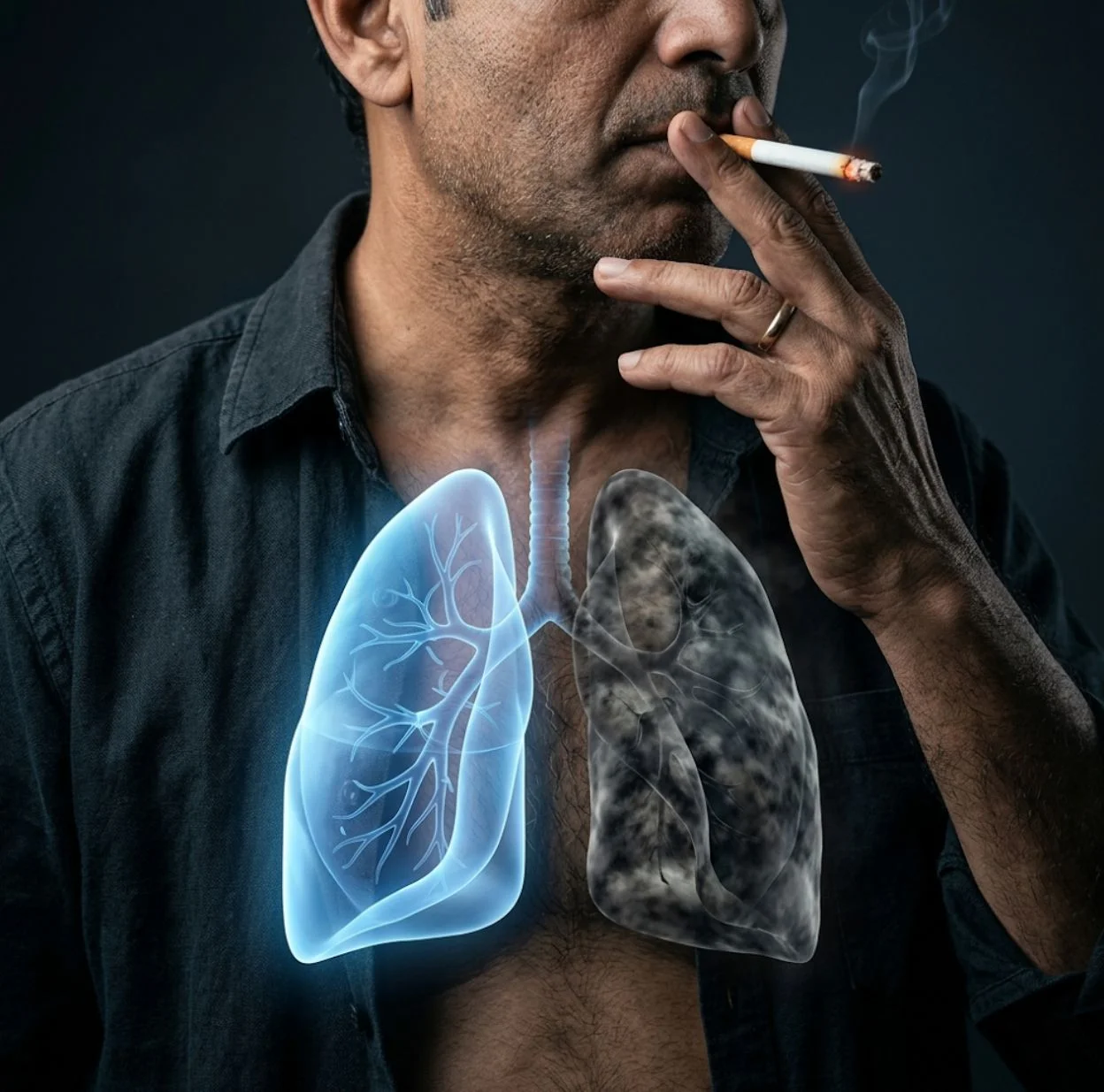
- Smoking: The leading cause, including exposure to secondhand smoke
- Carcinogen Exposure: Such as asbestos, radon gas, and air pollution
- Family History: Genetic predisposition may increase susceptibility
- Chronic Lung Diseases: Conditions like COPD or tuberculosis
- Lifestyle Factors: Poor diet, lack of exercise, and unhealthy habits
If you are at risk, consulting Dr. Priyansh Jain can help with early evaluation and preventive strategies.
Lung Cancer Symptoms
Lung cancer symptoms often appear in later stages, making awareness essential. Common warning signs include:
- Persistent or worsening cough
- Chest pain or discomfort
- Shortness of breath or wheezing
- Coughing up blood (hemoptysis)
- Unexplained weight loss and fatigue
- Frequent respiratory infections
If you notice any of these symptoms, seek medical attention promptly for early diagnosis.
How is Lung Cancer Detected?
Early Screening
Screening is especially important for high-risk individuals:
- Low-Dose CT (LDCT) Scan: Recommended for smokers or individuals with high risk
Diagnostic Methods
Once abnormalities are detected, the following tests help confirm lung cancer:
- Imaging Tests: CT scan, PET scan, or chest X-ray
- Biopsy: Tissue sample analysis to confirm cancer
- Bronchoscopy: Examination of airways using a thin tube
- Molecular Testing: Identifies genetic mutations for targeted therapy
Early diagnosis by experienced specialists like Dr. Priyansh Jain significantly improves treatment success.
Prevention of Lung Cancer
While not all cases are preventable, the following steps can lower your risk:
- Quit smoking and avoid passive smoking
- Reduce exposure to harmful chemicals and pollutants
- Maintain a healthy, balanced diet
- Exercise regularly and stay active
- Undergo regular screening if you are at high risk
Lung Cancer Treatment Options
Treatment depends on the type, stage, and overall health of the patient. Common treatment options include:
Surgery
- Removal of part or all of the affected lung (lobectomy or pneumonectomy)
- Most effective in early-stage lung cancer
Chemotherapy
- Uses powerful drugs to destroy cancer cells
- Often combined with surgery or radiation
Targeted Therapy
- Focuses on specific genetic mutations in cancer cells
- Common drugs include EGFR and ALK inhibitors
Immunotherapy
- Boosts the immune system to fight cancer
- Advanced drugs help improve long-term outcomes
Radiation Therapy
- Uses high-energy rays to shrink tumors or relieve symptoms
At Naman Cancer Clinic & Research Centre, patients benefit from modern, personalized treatment strategies for optimal care.
Is Lung Cancer Curable?
The chances of curing lung cancer depend largely on the stage at diagnosis. Early-stage lung cancer has a higher likelihood of successful treatment and cure. Advanced-stage lung cancer may not always be curable, but it can often be effectively managed with modern therapies, improving both survival and quality of life.
Why Choose Naman Cancer Clinic & Research Centre?
Naman Cancer Clinic & Research Centre is a trusted destination for lung cancer treatment in Surat, offering:
- Advanced diagnostic and screening technologies
- Personalized and evidence-based treatment plans
- Modern therapies including targeted therapy and immunotherapy
- Expert care by Dr. Priyansh Jain
- Patient-focused approach with compassionate support
Conclusion
Lung cancer is a serious condition, but early detection and advanced treatment can make a significant difference. Awareness of symptoms, timely screening, and expert medical care are key to improving outcomes.
If you are experiencing symptoms such as a persistent cough or breathing difficulties, or if you are at high risk, consult Dr. Priyansh Jain at Naman Cancer Clinic & Research Centre for expert diagnosis and comprehensive care.
See how our care works
Book your own demo session
Discover our hospital’s patient-first care with a guided demo that shows our advanced tools in action.